logo
0

Diaper Rash Cream: Causes, Prevention & Treatment Guide

Learn how diaper rash creams work, common causes of diaper rash, prevention tips, treatment options, and when your baby may need medical care.

article image

Dr. Mayank

Diaper rash is one of the most common skin concerns in infancy, and choosing the right diaper rash cream can make a real difference to your baby's comfort. Nearly every parent encounters it at some point, often in the first two years of life. The good news is that most cases clear up quickly with the right care. This guide walks you through why rashes happen, how barrier creams work, what to look for when picking the best cream for diaper rash, and when home treatment is not enough.

What Is Diaper Rash?

Diaper rash appears as redness, puffiness, or irritated skin in the nappy area, including the buttocks, inner thighs, and genitals. The skin may look blotchy or feel warm to the touch. In mild cases, there is just a little pinkness. More severe cases can involve raised bumps, raw patches, or skin that looks almost scalded.

It is most common in babies aged 4 to 15 months, though it can appear at any age while a child is in nappies. Toddlers going through changes in diet, or those who have recently taken antibiotics, are also more prone to flare-ups.

Common Causes and Risk Factors

Diaper rash rarely has a single cause. Most flare-ups happen when several factors combine at once.

  • Prolonged moisture: When a baby's skin remains wet inside a nappy for an extended period, the protective skin barrier can weaken, increasing the risk of irritation and diaper rash.
  • Friction: Repeated rubbing between the nappy and delicate skin can cause irritation, particularly around the thighs, groin, and waistband.
  • Urine and stool: Prolonged contact with urine and stool can irritate sensitive skin. The enzymes and other substances present in stool can further weaken the skin barrier.
  • Irritating products: Fragranced wipes, certain detergents used for cloth nappies, and scented creams may cause irritation or contact dermatitis in sensitive babies.
  • Antibiotic use: Antibiotics can alter the normal balance of microorganisms and may increase the risk of a Candida yeast rash. This may appear as a bright-red rash with clearly defined edges and small red spots around the affected area.
  • Dietary changes: Introducing new foods can change stool consistency or frequency, which may increase skin irritation in some babies.
  • Infrequent nappy changes: Leaving a wet or soiled nappy on for too long increases skin exposure to moisture and irritants. Frequent changes are one of the simplest ways to help prevent diaper rash.

How Zinc Oxide Creams Help

Zinc oxide is the active ingredient most widely used in diaper rash treatment because of how it works physically rather than chemically. When applied to clean, dry skin, zinc oxide cream for babies forms a thick, water-repellent layer between the skin and the nappy. This barrier keeps moisture and stool away from the skin surface, allowing the skin underneath to heal without constant re-exposure to irritants.

Zinc oxide also has mild astringent properties, meaning it gently reduces inflammation and helps calm redness. It does not absorb into the skin in significant amounts, which is one reason it is considered safe for regular use in babies from birth. It has a long track record in paediatric care, and most paediatricians are comfortable recommending it from the newborn stage onward.

Choosing the Right Concentration and Formulation

Zinc oxide creams are typically available in concentrations ranging from around 10 percent to 40 percent. Higher concentrations tend to be thicker and provide a more robust physical barrier, which is useful for moderate or established rashes. Lower concentrations spread more easily and work well for daily prevention.

Many products combine zinc oxide with soothing agents such as white soft paraffin, beeswax, or calamine to improve spreadability and comfort. When picking the best cream for diaper rash, check the label carefully. Avoid formulations that contain:

  • Added fragrances or perfumes
  • Alcohol or preservatives that can sting irritated skin
  • Unnecessary antiseptics, which can further disrupt sensitive skin

Several branded baby rash creams use zinc oxide as their primary active ingredient. Your pharmacist can help you choose a straightforward formulation without unnecessary additives. For general guidance on general wound and skin care treatment tips, including when skin is broken or raw, Apollo Pharmacy has a helpful overview.

Prevention Tips for Parents

Preventing diaper rash is much easier than treating it. These steps take only a few extra seconds at each nappy change but add up to a significant difference over time.
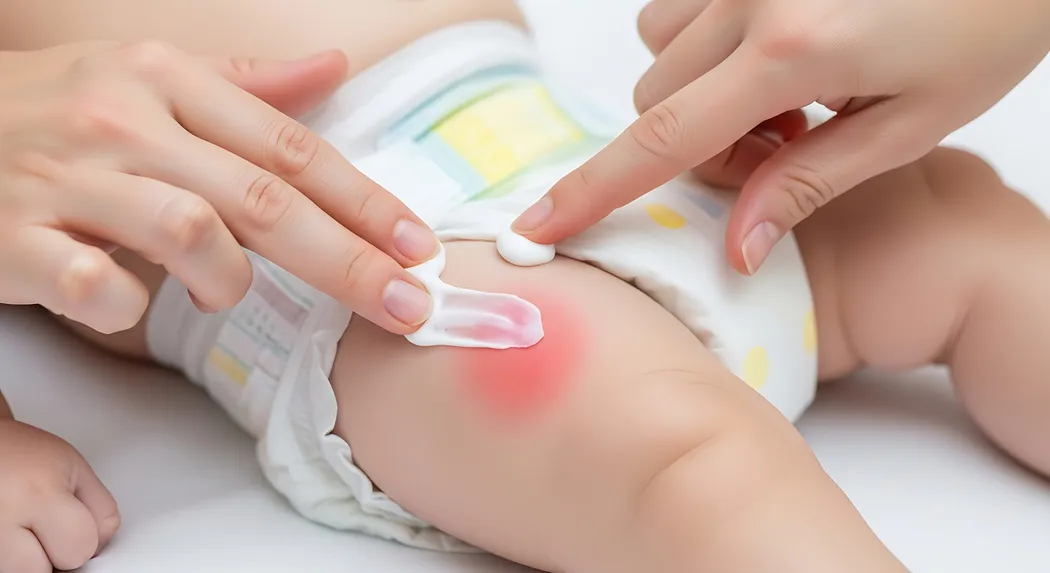
  • Change nappies frequently. Wet or soiled nappies should be changed promptly, including overnight if possible.
  • Let skin air-dry before fastening a fresh nappy. Pat dry with a soft cloth and leave the area open to air for one to two minutes.
  • Use plain water or fragrance-free wipes for cleaning. Alcohol-containing wipes sting broken skin and can worsen irritation.
  • Apply a thin layer of barrier cream, such as a zinc oxide cream, at every nappy change, even when the skin looks clear. Prevention is easier than treatment.
  • Avoid over-tightening nappies. A little room at the thighs and waist reduces friction.
  • If you use cloth nappies, rinse them thoroughly to remove detergent residue, and avoid fabric softeners.
  • During episodes of diarrhoea, increase how often you check and change nappies, since loose stools are especially irritating.

For broader advice on keeping your baby's skin clean and healthy from the start, the newborn skin and hygiene care guide on Apollo Pharmacy is a useful starting point.

When to See a Doctor

Most mild diaper rash improves within two to three days of consistent barrier cream use and frequent nappy changes. See a doctor if:

  • The rash has not improved after three days of home care.
  • There are blisters, open sores, or the skin looks raw and is bleeding.
  • The rash has spread beyond the nappy area to the abdomen, back, or face.
  • Your baby has a fever alongside the rash.
  • You notice a bright red rash with sharply defined edges and small spots around it, which may suggest a fungal infection requiring antifungal treatment rather than a barrier cream alone.
  • Your baby appears to be in significant pain or is not feeding well.

Fungal and bacterial infections look different from simple irritant rashes and need specific treatment. Using only a barrier cream on an infected rash can delay recovery. When in doubt, a paediatrician or pharmacist can assess quickly.

Contraindications and Precautions

Zinc oxide creams are very well tolerated, but there are situations where caution is needed before applying any baby rash cream.

  • Broken or oozing skin: Avoid applying zinc oxide cream to deeply cracked, open, or oozing skin without medical advice, as a thick barrier may not be appropriate for damaged skin.
  • Allergic reaction: Stop using the cream and consult a doctor if your baby develops increased redness, swelling, hives, or other signs of an allergic reaction after application.
  • Known allergies: Check the ingredient list carefully. If your baby has a known allergy to any ingredient, including preservatives or other excipients, seek paediatric advice before using the product.
  • External use only: Zinc oxide cream is intended for use on the skin. Keep it away from the baby's eyes and mouth.
  • Persistent rash: If the rash does not improve within two to three days of appropriate barrier care, consult a doctor rather than repeatedly changing creams. A healthcare professional can check for possible fungal or bacterial infection.

Always read the product label and package insert before use. When you are unsure whether a product is appropriate for your baby, your paediatrician or a pharmacist is the best first stop.

Conclusion

Diaper rash is common in babies, but frequent nappy changes, gentle cleaning, keeping the skin dry, and using an appropriate barrier cream can help prevent and manage mild irritation. Zinc oxide creams create a protective barrier that helps shield the skin from moisture and irritants, making them useful for both prevention and treatment of uncomplicated diaper rash. Choose a simple, baby-friendly formulation and avoid unnecessary fragrances or irritating ingredients. If the rash becomes severe, spreads, develops blisters or signs of infection, or does not improve with appropriate home care, consult your paediatrician for an accurate diagnosis and treatment.

FAQS

How often should I apply diaper rash cream?

Apply a thin layer at every nappy change, both for treatment and prevention. Consistent use, rather than occasional heavy application, gives the best results.

Can diaper rash cream be used on newborns?

Yes. Zinc oxide-based creams are generally considered safe from birth. Check the product label for any age restrictions and confirm with your paediatrician if you have concerns about a specific formulation.

Does diaper rash cream stain cloth diapers?

Zinc oxide cream can leave white or yellowish marks on cloth nappies that are difficult to remove completely. Using a thin layer and a nappy liner between the skin and the cloth can help reduce staining.

What is the difference between diaper rash cream and petroleum jelly? D

Diaper rash creams, especially those containing zinc oxide, provide a physical barrier and have mild anti-inflammatory properties. Petroleum jelly (white soft paraffin) also creates a moisture barrier but lacks zinc oxide's astringent effect, making it better for mild prevention than for treating an established rash.

How long does diaper rash take to heal?

Mild rashes typically clear within two to three days with frequent nappy changes and regular barrier cream use. More severe or infected rashes may take longer and may need prescription treatment from a doctor.

Apollo 247 Floating Action Button