logo
0

Baby Food Maker: A Guide to Choosing and Using One Safely

Choosing a baby food maker? Learn key features, hygiene tips, and how to prepare safe, nutritious homemade baby meals with expert guidance.

article image

Dr. Bhanu Prakash

Starting your baby on solid foods is one of the most exciting milestones in the first year of parenthood, and a baby food maker can make that transition a lot smoother. These compact kitchen devices let you steam and blend fresh ingredients in one place, giving you full control over what goes into your baby's meals. Whether you are just starting to research weaning or are days away from introducing your baby's first spoonful, this guide will help you choose, use, and maintain a baby food maker confidently and safely.

For broader newborn care, also see newborn care essentials every new parent should know.

What Is a Baby Food Maker and Do You Need One?

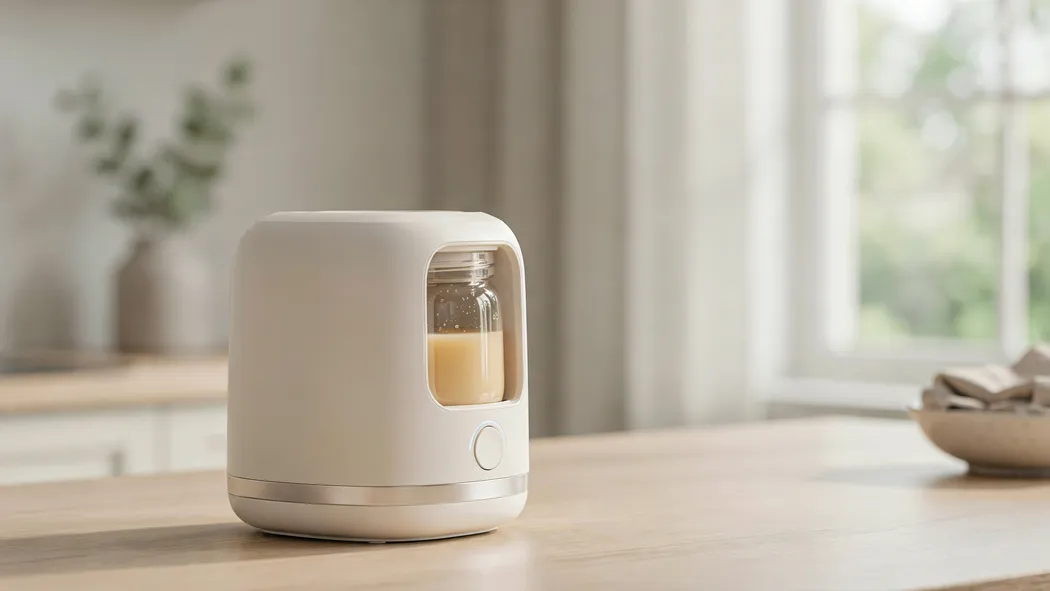
A baby food maker is a kitchen appliance that typically combines two functions: steaming raw fruits, vegetables, or other soft foods, and then blending them into a smooth puree, all within a single bowl or jug. Better models let you adjust steam time and blending consistency so you can progress from silky purees to slightly textured mashes as your baby grows.

That said, it is optional. A standard steamer and a good blender do the same job. What makes a baby food maker worth considering is convenience: fewer dishes, faster prep, and a compact footprint on the kitchen counter. If you are cooking in small quantities several times a week, many parents find the all-in-one format genuinely saves time. If you already own functional equipment and kitchen space is limited, there is no medical reason you must buy one.

Key Features to Look for Before Buying

Choosing the best baby food maker for infants comes down to a handful of practical criteria.

  • Capacity: Most machines hold between 400 ml and 1,000 ml. Smaller capacity suits single-session cooking; larger suits batch cooking and freezing. Think about how often you want to cook rather than how much your baby eats now, since requirements will grow quickly.
  • Combined steam and blend function: A machine that does both in one container keeps the cooking liquid (which holds water-soluble nutrients) right there for blending. This avoids pouring it out and losing nutritional value.
  • Ease of cleaning: Look for a machine with wide-mouth parts, minimal grooves or threads, and components that are dishwasher-safe. Leftover food residue in hard-to-reach areas is a hygiene risk.
  • BPA-free materials: All parts that contact food should be certified BPA-free. Check the product listing or packaging for this specification explicitly, not just "food-grade plastic," which is a broader category.
  • Safety certifications: In the Indian market, look for IS or ISI marks on electrical components, and check whether the brand complies with relevant Bureau of Indian 

Standards norms for kitchen appliances. Some imported models carry CE or similar marks; verify that the Indian distributor provides a warranty and local service support.
Noise level and cord length: Minor points, but relevant if your baby naps nearby and your kitchen has limited outlet placements.

How to Use a Baby Food Maker Safely at Home

How to steam and puree baby food in a machine involves a few consistent steps. Following them each time reduces the risk of contamination and nutrient loss.

  • Wash your hands thoroughly with soap and water before touching any ingredients or equipment.
  • Wash all produce under running water. Even if you plan to peel vegetables, surface bacteria can transfer to the inner flesh during cutting.
  • Peel and chop into similar-sized pieces so steaming is even. For a beginner puree, soft vegetables like carrot, sweet potato, or pumpkin work well.
  • Add the correct amount of water to the steamer reservoir as indicated in your model's manual. Too little water can damage the heating element; too much produces excess steam that dilutes flavour.
  • Steam until tender. Times vary by food. Soft fruits like banana or ripe papaya may need no steaming at all. Dense vegetables may need 10 to 15 minutes.
  • Blend to the right consistency. Start with longer blending and add a small amount of the steaming water if the puree is too thick.
  • Cool before feeding. Test the temperature on the inside of your wrist. It should feel neutral, not warm.
  • Feed immediately or store safely (see the hygiene section below).

Hygiene and Food Safety Precautions

Hygiene is non-negotiable in baby weaning food preparation. Babies' immune systems are still maturing, making them more vulnerable to foodborne illness than adults.

  • Sterilisation: Sterilise all removable parts of the baby food maker machine before first use and regularly after that. You can boil dishwasher-safe parts, use a steam steriliser, or use a cold-water sterilising solution designed for baby equipment.
  • Cleaning: Wash parts immediately after each use. Do not leave residue to dry on blending blades or steam vents.
  • Storage: Store freshly made purees in airtight, food-grade containers. Refrigerate and use within 24 to 48 hours. For longer storage, freeze in small portions and use within one month; thaw in the refrigerator, never at room temperature.
  • Reheating: Never reheat a puree more than once, and discard any leftovers from a feeding session because saliva introduced from a spoon can introduce bacteria.
  • Food Allergy: If your baby shows signs of a food allergy (rash, vomiting, swelling, or breathing difficulty) after eating a new food, stop feeding that food immediately and contact a doctor. Report adverse events to your healthcare provider or the relevant regulatory authority.

For any concerns about allergies or unusual reactions, always consult your paediatrician before continuing with that ingredient.

When to Consult a Paediatrician About Weaning Foods?

Most paediatric guidelines recommend starting solid foods around 6 months of age, but your doctor will assess your individual baby's readiness based on developmental milestones rather than age alone. Signs of readiness typically include holding the head steady, sitting with minimal support, and showing interest in food.

  • Contraindications and cautions: when not to introduce certain foods without medical advice

Some foods and textures are unsuitable at certain stages and must not be prepared for young babies, even in a baby food maker:

  • Honey: must not be given before 12 months due to the risk of infant botulism.
  • Choking Hazards: Whole nuts, large chunks, or any food that could be a choking hazard.
  • High-Sodium Foods: babies' kidneys cannot handle added salt in the first year.
  • Cow's Milk: as a main drink before 12 months (small amounts in cooking are generally considered acceptable, but confirm with your doctor).
  • Unpasteurised Dairy or Raw Eggs: Unpasteurised dairy or raw eggs.

If your baby was born prematurely, has a diagnosed allergy history in the family, or has any underlying medical condition, speak with your paediatrician before beginning any homemade baby food recipes. Do not use weaning foods to replace medical formula or breast milk without explicit medical advice.

Conclusion

A baby food maker can make homemade weaning meals more convenient by combining steaming and blending in one appliance, but it is not essential for preparing nutritious baby food. The most important considerations are safe food preparation, easy cleaning, appropriate storage, and choosing age-appropriate foods and textures. Starting solids around 6 months when your baby is developmentally ready, progressing textures gradually, and avoiding foods that pose allergy, choking, or other health risks can support safe feeding. If your baby was born prematurely, has allergies, or has an underlying medical condition, consult a paediatrician before introducing homemade weaning foods.

FAQS

What age can babies start eating pureed food?

Most babies are ready to start pureed foods around 6 months, once they can hold their head up and show interest in food. Your paediatrician will confirm readiness based on your baby's specific development.

Can I use a regular blender instead of a baby food maker?

Yes, a standard blender combined with a steamer produces the same result. A baby food maker simply combines both steps into one appliance, which some parents find more convenient for small, frequent batches.

How long can homemade baby food be stored?

Refrigerate fresh purees in an airtight container and use within 24 to 48 hours. Frozen portions keep well for up to one month; always thaw in the refrigerator and warm gently before serving.

Are baby food makers safe to use daily?

Yes, when used and cleaned according to the manufacturer's instructions, a baby food maker is safe for daily use. Regular sterilising of removable parts is the key step many parents overlook.
What foods should be avoided in a baby food maker?

Avoid honey, added salt, added sugar, and any raw or undercooked animal protein for babies under 12 months. Whole nuts and stringy fibrous vegetables should also be avoided because of choking risk, even when blended.

Apollo 247 Floating Action Button