logo
0

Baby Food Preparation Tools

Discover the best baby food preparation tools, from a baby puree maker to warmers. Learn how to safely prepare and store healthy meals for your baby.

article image

Dr.Rohini priyanaka

Introducing your baby to solid foods is an exciting milestone. Around the age of six months, infants begin to need solid foods alongside breast milk or formula to meet their growing nutritional demands. Preparing homemade meals allows you to control exactly what goes into your baby’s body, ensuring they receive fresh, nutrient-dense ingredients without added preservatives, sodium, or excess sugar.

However, stepping into the world of homemade baby food can feel a bit overwhelming without the right kitchen setup. Investing in a high-quality baby puree maker can make this transition seamless, quick, and highly rewarding. From mashing soft avocados to steaming and blending root vegetables, having the right baby food preparation tools on hand saves time and reduces stress.

In this comprehensive guide, we will explore the essential gear you need, how to choose the best blending and heating tools, and how to safely prepare meals that support your baby’s healthy development.

The Transition to Solids: Preparing Your Kitchen

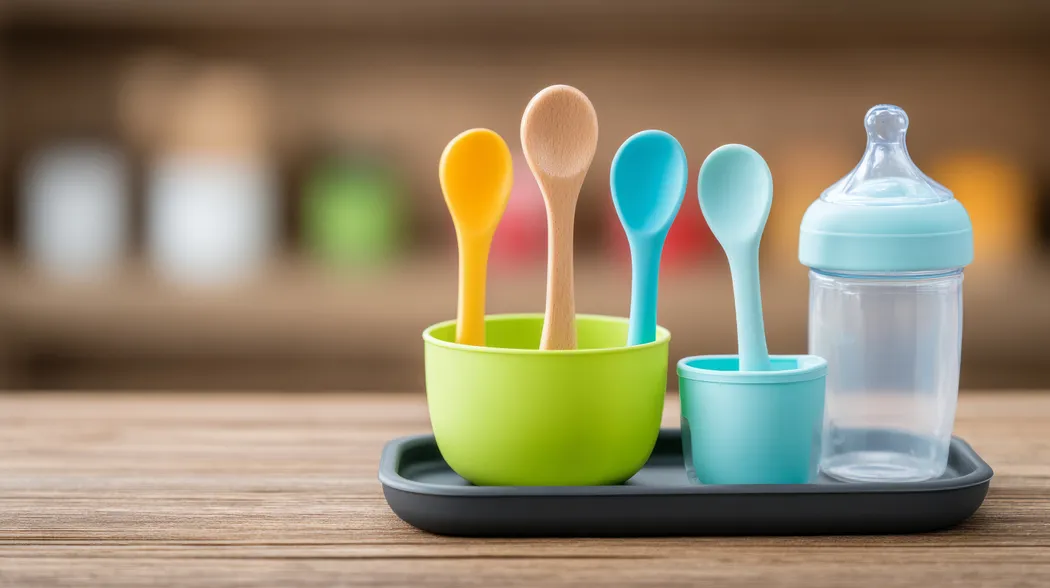
When you start preparing homemade meals, having a dedicated baby food cooking set can make a world of difference. Before you begin cooking, it is helpful to organise your kitchen with specialised, easy-to-clean utensils.

Traditionally, parents have relied on simple kitchen items. In many cultures, a dedicated baby food bartan (traditional baby utensils and pots) is kept separate from the family’s spice-heavy cookware to prevent cross-contamination and protect the baby’s sensitive digestive system. Today, modern families use specialised baby food preparing vessels made of non-toxic, BPA-free plastic, food-grade silicone, or surgical stainless steel.

If you prefer a hands-on approach, a manual baby food-making set, which often includes a grinding bowl, a hand pestle, and a fine mesh strainer, is an excellent starting point for mashing ripe bananas, boiled potatoes, or soft pears.

Choosing the Right Blending and Grinding Tools

As your baby moves from completely smooth purees to textured foods, you will need tools that can handle different stages of consistency.


Stages of Baby Food Consistency:

  • Stage 1 (6 Months): Completely smooth, runny purees (e.g., thin apple or sweet potato puree)
  • Stage 2 (7-8 Months): Thicker, slightly textured purees (e.g., mashed banana, pea puree)
  • Stage 3 (9-12 Months): Soft, chunky textures and small finger foods (e.g., finely minced vegetables)

Blenders and Mixers

A standard kitchen blender can often be too large for the tiny portions a baby eats. That is where a small mixer for baby food becomes incredibly useful. These compact appliances are designed to blend small batches of fruits and vegetables efficiently without leaving large, unblended chunks that could pose a choking hazard.

If you want a versatile appliance, a specialised mixer for baby food allows you to control the exact texture of the meal. For quick, single-portion meals, a mini mixer for baby food is highly convenient, while a heavy-duty baby food mixer machine is ideal if you prefer to batch-cook meals on the weekend and freeze them for later use.

Portable and Manual Options

For parents on the go, a portable mixer for baby food or a baby food mixer that operates on rechargeable batteries ensures you can whip up a fresh meal even when traveling.

If you prefer not to use electricity, a mechanical baby food crusher or a simple fork can easily mash soft-cooked beans, squash, or ripe avocados.

Steaming and Cooking Tools: Keeping Nutrients Intact

Steaming is widely regarded as one of the best cooking methods for preserving water-soluble vitamins, such as Vitamin C and B-complex vitamins, which can leach out during boiling.

Using a specialised boiler for baby food or a steam basket allows you to cook ingredients until they are tender enough to blend easily. Alternatively, a dedicated baby food boiler can be used to cook grains like quinoa, oats, or white rice thoroughly before they are pureed.

For the ultimate convenience, many parents choose an all-in-one baby food-making machine. This type of baby food machine steams the raw vegetables or meats first and then automatically blends them in the same container. This process minimizes cleanup and keeps all the nutritious cooking juices intact, which can then be blended right back into the puree.

Selecting a Safe Baby Puree Maker

When searching for the perfect puree maker for baby meals, safety and ease of cleaning should be your top priorities. Look for a baby food puree maker that features:

  • BPA-Free Materials: Ensure all plastic components that touch food are free from Bisphenol A (BPA) and phthalates.
  • Stainless Steel Blades: High-quality blades resist rust and stay sharp enough to create ultra-smooth textures.
  • Dishwasher-Safe Parts: Tools that can be easily disassembled and cleaned prevent the buildup of mold and harmful bacteria.

If you are focusing heavily on fruits, a dedicated fruit puree maker for baby snacks can help you create delicious, smooth applesauce, peach purees, or berry blends in seconds.

What About Juicing for Babies?

While purees are highly recommended because they retain the dietary fiber essential for healthy digestion, some parents also look into juicing. A juicer for baby food can help extract liquid from nutrient-rich greens or carrots to mix into infant cereals.

However, leading paediatric guidelines recommend avoiding fruit juice entirely before 12 months of age. Whole fruits and fruit purees are preferred because they provide fibre and other nutrients. For babies under 12 months, breast milk or formula should remain the main source of milk, while complementary foods are introduced according to the baby’s developmental readiness.

Safe Reheating and Warming Tools

Once you have prepared and stored your baby food in the refrigerator or freezer, you will need to warm it safely before serving.

Safety Tip: Never use a microwave to heat baby food directly in plastic containers. Microwaving can cause uneven heating, creating "hot spots" that can burn your baby's mouth. It can also cause harmful chemicals to leach from plastic into the food.

Using a dedicated baby food warmer or a food warmer for baby food jars ensures that the meal is heated evenly and safely to a comfortable temperature. For busy days out of the house, a portable baby food warmer for travelling can keep pre-prepared meals at a safe temperature until it is time to feed your little one.

Additionally, a reliable food warmer baby tool or a baby food heater can gently bring frozen puree cubes back to a safe, warm temperature without destroying essential enzymes and vitamins.

Step-by-Step Guide to Preparing and Storing Baby Food Safely

To ensure your baby’s food remains fresh, highly nutritious, and free from harmful bacteria, follow these essential food safety steps:

  • Wash Hands and Surfaces: Always wash your hands with warm water and soap for at least 20 seconds before preparing food. Clean all cutting boards, knives, and countertops.
  • Sanitize Your Tools: Ensure your baby puree maker, spoons, and storage containers are thoroughly washed and sanitized.
  • Cook Thoroughly: Cook all meats, poultry, fish, and eggs to safe internal temperatures. Cook vegetables until they are soft enough to be easily mashed with a fork.
  • Cool Quickly: Do not leave freshly cooked baby food sitting at room temperature for more than two hours. Cool it rapidly and place it in the refrigerator or freezer.
  • Label and Date: Store purees in small, airtight, BPA-free glass or silicone containers. Label them with the date of preparation. Fresh purees can be kept in the refrigerator for up to 48 hours, or in the freezer for up to three months.

Conclusion

Preparing homemade baby food can be easier and more convenient with the right tools, from a reliable baby puree maker and blender to steaming, cooking, warming, and storage equipment. Choose food preparation tools made from safe, food-grade materials, keep them clean, and follow appropriate food safety practices when preparing, storing, and reheating your baby’s meals. As your baby progresses from smooth purees to thicker and more textured foods, adjust the consistency according to their developmental readiness. With the right preparation and safe feeding practices, homemade baby food can be a simple and enjoyable part of your baby’s transition to solid foods.

FAQS

Can I use a regular household blender as a mixer for baby food?

Yes, you can use a standard household blender or food processor. However, standard blenders are designed for larger quantities and may not blend small, single-serving portions of baby food smoothly. A smaller, dedicated blender or a specialised baby food appliance is often more efficient for processing tiny meals.

Why is steaming preferred over boiling when making baby food?

Steaming is generally preferred because it preserves more water-soluble vitamins and minerals than boiling. When you boil vegetables, many of the nutrients leach out into the cooking water. If you do boil, you can save the nutrient-rich cooking water to thin out the puree during blending.

How do I safely warm up frozen baby food?

The safest way to warm frozen baby food is to thaw it overnight in the refrigerator, then warm it using a gentle baby food warmer or by placing the food container in a bowl of warm water. Always stir the food thoroughly and test the temperature on the inside of your wrist before feeding your baby.

When can I stop pureeing food and start offering textured foods?

Most babies are ready to transition from smooth purees to thicker, textured foods between 7 and 9 months of age. You can gradually transition by using a manual crusher or fork to mash foods, leaving small, soft lumps, rather than using a high-powered blender.

Are plastic baby food makers safe to use?

Yes, provided they are explicitly labeled as BPA-free, phthalate-free, and non-toxic. For added peace of mind, many parents prefer appliances that feature glass bowls or high-grade stainless steel components to completely eliminate the risk of chemical leaching during the steaming process.

Apollo 247 Floating Action Button