logo
0

Baby Food Supplements: Is Multivitamin Syrup Good?

Discover baby food supplements, when babies may need them, essential nutrients and safe tips for choosing and giving supplements.

article image

Dr. Kamran

Feeding your baby is one of the most rewarding parts of parenting, but it can also be one of the most stressful. During the first few years of life, your child's brain and body grow at an astonishing rate. With so many developmental milestones happening at once, it is natural to worry if they are getting all the nutrients they need.
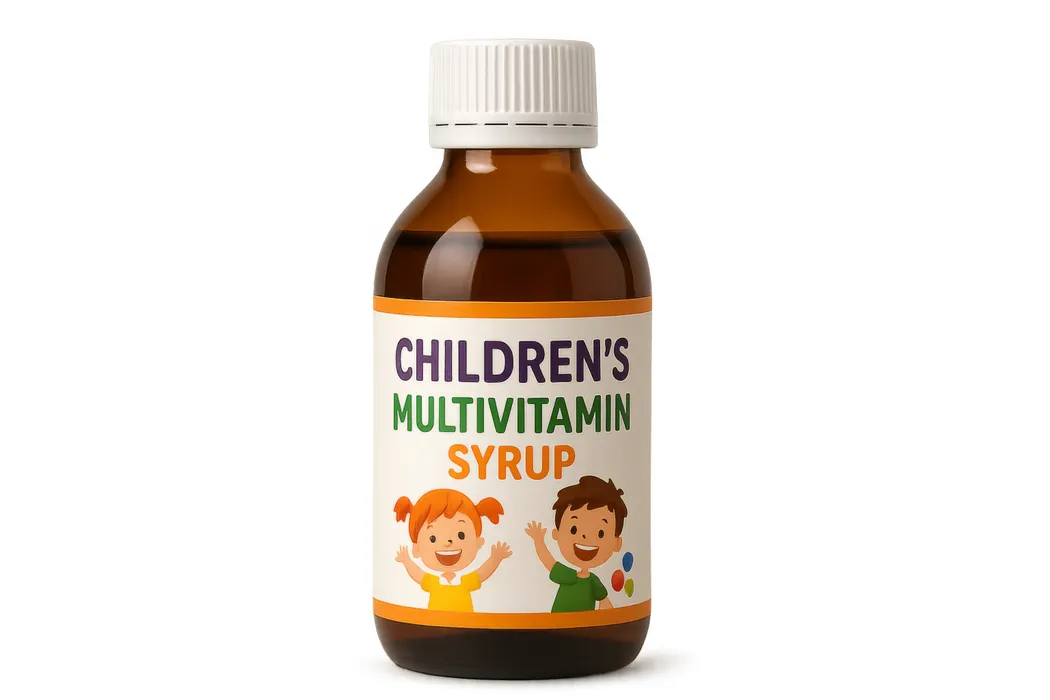
As you walk down the baby care aisle at your local pharmacy, you will find shelves lined with colourful bottles of vitamins and minerals. You might find yourself wondering: is multivitamin syrup good for babies, or are whole foods and milk enough?
While these products may be marketed to support growth, immunity and brain development, it is important to separate marketing claims from medical facts. In this comprehensive guide, we will explore the science behind baby food supplements, analyse when a baby may truly need extra nutrients, and provide safe, expert-backed tips to ensure your little one grows up strong and healthy.
 

Understanding Infant Nutrition: Food vs. Supplements

For the first six months of life, infant nutrition is relatively straightforward. The World Health Organization (WHO) and the Centers for Disease Control and Prevention (CDC) recommend exclusive breastfeeding or formula feeding during this period. Breast milk and infant formula provide the nutrients babies need during this stage.
However, as babies reach the six-month mark, their nutritional needs begin to expand. This is when parents introduce solid foods, also known as complementary foods. Around this age, a baby's natural stores of certain nutrients, especially iron, begin to become less sufficient to meet their needs.
According to guidelines from the World Health Organization, introducing nutrient-dense complementary foods alongside breast milk at six months is important to meet growing nutritional needs. But even with a varied diet, some babies may need specific supplements based on their individual nutritional requirements. This is where the concept of a baby food supplement often enters the conversation.

Is Multivitamin Syrup Good for Babies? What the Experts Say

To answer the core question of whether multivitamin syrup is good for babies, we must look at what paediatric health organisations recommend.
As a general rule, healthy, full-term babies who are growing well do not need a routine daily multivitamin syrup. However, some babies may require specific vitamin or mineral supplements based on their feeding pattern, nutritional needs or medical circumstances. For example, breastfed or partially breastfed infants generally need vitamin D supplementation from shortly after birth.
When paediatricians evaluate whether a baby needs supplementation, they may consider several key factors:

  • Premature or Low Birth Weight Babies: Infants born early or with low birth weight may have different nutritional requirements and may require additional nutrients under medical supervision.
  • Poor Growth or Medical Conditions: If a baby has a medical condition that affects nutrient absorption or is struggling to gain weight, a doctor may prescribe specific supplements.
  • Restricted Diets: If a baby's diet is highly restricted, or if a breastfeeding mother follows a strict vegan diet, certain nutrients such as vitamin B12 may require particular attention.

Ultimately, while multivitamin syrups are not a universal necessity, targeted supplements may be important for babies with specific nutritional needs.

Essential Nutrients: What Do Babies Actually Need?

Rather than giving a broad-spectrum multivitamin syrup that contains numerous ingredients, healthcare providers may recommend supplementing specific nutrients when a baby is at risk of deficiency. Vitamin D and iron are among the key nutrients that may require particular attention during infancy.

1. Vitamin D

Vitamin D is essential for helping the body absorb calcium, which supports strong bones and teeth. A severe lack of vitamin D can lead to rickets, a preventable condition that causes soft and weak bones in children.

The CDC Recommendation: Children younger than 12 months need 400 IU (International Units) of vitamin D daily. Babies who are exclusively breastfed or receive both breast milk and formula generally need a 400 IU vitamin D supplement starting shortly after birth.

Formula-Fed Babies: Babies who drink about 1 litre or more of vitamin D-fortified infant formula per day generally do not need an additional vitamin D supplement. Babies who drink less than this amount may still need 400 IU daily.

2. Iron

Iron is critical for brain development and the production of healthy red blood cells.

For Breastfed Babies: At around six months, infants need a source of iron outside breast milk. This can come from iron-rich complementary foods, iron-fortified cereals or, when recommended by a healthcare professional, iron supplement drops.

For Formula-Fed Babies: Standard iron-fortified infant formula can generally meet an infant's iron needs during the first year. Additional iron supplementation is not routinely required unless recommended by a healthcare professional.

When choosing a baby supplement food, look for a supplement containing the specific nutrient your baby needs rather than automatically choosing a multi-ingredient syrup, unless a paediatrician has explicitly recommended otherwise.

The Toddler Transition: Nutrition for 2-Year-Olds

As babies transition into toddlerhood, their eating habits undergo a dramatic shift. Around the age of two, growth rates may slow down slightly, which can cause a toddler's appetite to fluctuate. Picky eating, food regressions and mealtime power struggles can also become common.
During this challenging phase, many parents search for the best food supplement for 2 year old baby toddlers to make up for skipped vegetables or untouched dinners.
When searching for the best food supplement for 2-year-old baby dietary gaps, it is important to focus on diet first. A toddler's diet should ideally feature a colourful variety of whole foods, including:
The following food groups can help provide important nutrients:

  • Calcium-Rich Foods: Milk, cheese, yoghurt and fortified plant milks.
  • Iron-Rich Foods: Lean meats, beans, dark leafy greens and iron-fortified cereals.
  • Healthy Fats: Avocados, nut butters and olive oil as part of a balanced diet.

If your child completely rejects entire food groups or has significant dietary gaps, a paediatrician may recommend an age-appropriate supplement. However, remember that no syrup or gummy can replace the fibre, nutrients and other beneficial compounds found in a varied diet of whole foods.

The Risks of Over-Supplementation

When wondering, "is multivitamin syrup good for babies?", it is vital to understand that more is not always better. Vitamins and minerals are biologically active substances, and excessive amounts can cause health problems.
Vitamins are divided into two categories:

  1. Water-Soluble Vitamins: These include vitamin C and the B vitamins. Although excess amounts are generally excreted through urine, taking large amounts can still cause adverse effects.
  2. Fat-Soluble Vitamins: Vitamins A, D, E and K can be stored in the body. Excessive intake can therefore lead to toxicity.

An overdose of vitamin A can cause serious health problems, while excessive vitamin D can lead to high calcium levels and kidney problems. Iron supplements can also be highly toxic if taken in large quantities. This is why you should never give a baby a supplement or syrup in a dose that has not been recommended for them by a qualified healthcare provider.

How to Safely Choose and Administer Supplements?

If your paediatrician has recommended that you start your child on a supplement, follow these safety guidelines to protect your baby's health:
These precautions can help ensure that supplements are used safely:

  • Consult Your Paediatrician First: Never self-prescribe a vitamin or mineral supplement for an infant or toddler.
  • Read the Labels Carefully: Check the ingredients, concentration and recommended dose. Avoid products with unnecessary added sugars or ingredients your child does not need.
  • Use the Right Measuring Tool: Always use the syringe, dropper or measuring cup that comes with the product. Never guess the dose using a standard kitchen spoon, as this can easily lead to under- or overdosing.
  • Keep Out of Reach: Always store liquid vitamins, drops and chewable tablets safely out of your child's reach. Many children's supplements may look or taste like sweets, creating a risk of accidental poisoning.

Conclusion: Using Baby Food Supplements Safely

Most healthy babies do not need a routine multivitamin syrup simply because they are eating solid foods. However, certain nutrients, particularly vitamin D, may need to be supplemented depending on whether a baby is breastfed, partially breastfed or receives enough vitamin D-fortified formula. Iron and other nutrients may also require supplementation in specific circumstances.

A varied, age-appropriate diet should remain the foundation of your baby's nutrition. If you are concerned about your baby's growth, feeding pattern or nutritional intake, speak with your paediatrician before starting any vitamin or mineral supplement.

FAQS

Do breastfed babies need a vitamin D supplement?

Yes. Breastfed or partially breastfed infants generally need 400 IU of vitamin D daily starting shortly after birth because breast milk does not provide enough vitamin D on its own. Babies receiving at least 1 litre of vitamin D-fortified formula daily generally do not need an additional vitamin D supplement.

At what age is multivitamin syrup good for babies to start taking?

There is no standard age at which all babies should start taking multivitamin syrups. Most healthy infants do not need a routine multivitamin. If your baby has a nutritional deficiency or specific medical or dietary needs, a paediatrician may recommend a targeted supplement at an appropriate age and dose.

Can I give my baby a multivitamin instead of serving solid foods?

No. Supplements are designed to supplement a diet, not replace it. From around six months, babies need a variety of safe and nutritious complementary foods alongside breast milk or formula to meet their growing nutritional needs.

What is the best food supplement for 2 year old baby picky eaters?

The best approach for a picky 2-year-old is a balanced, varied diet of whole foods. If your toddler has significant dietary gaps, consult a paediatrician. They may suggest an age-appropriate supplement or fortified food option based on your child's individual needs.

How do I know if my baby has a vitamin deficiency?

Deficiencies can be difficult to identify based on symptoms alone. Signs may include poor weight gain, unusual tiredness, pale skin, weakness or developmental concerns, but these symptoms can have many causes. If you are concerned about your baby's growth or nutrition, schedule a check-up with your paediatrician for a proper evaluation.

Apollo 247 Floating Action Button