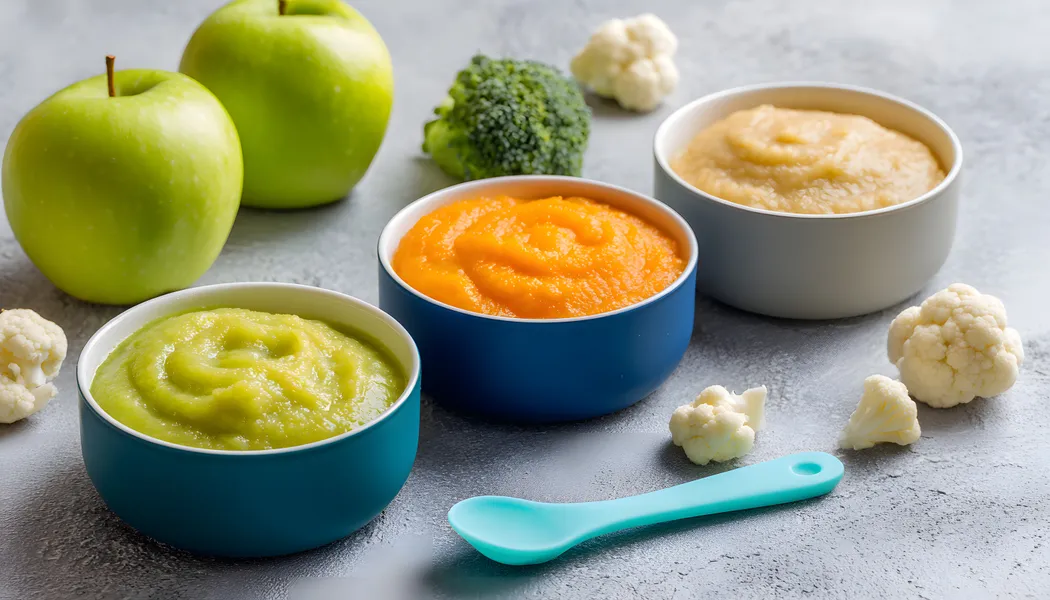
Learn when and how to start solid foods, with a stage-by-stage guide to baby food textures, purees, mashed foods, finger foods, and feeding tips.
Dr.Kamran
The journey of watching your infant grow is filled with unforgettable firsts. Among these milestones, transitioning from an all-milk diet to solid meals is one of the most exciting yet confusing times for parents. Understanding how and when to transition your child from a strictly liquid food for baby (like breast milk or formula) to semi solid food for baby is crucial for their physical, nutritional, and motor skill development. This transition is not just about filling their tiny bellies; it is about teaching them how to bite, chew, swallow, and safely explore a world of new flavors.
In this comprehensive baby food texture guide, we will walk you through the entire process. From recognizing when your child is ready for their first solid food for baby to understanding the distinct baby food stages, this guide provides a science-backed, step-by-step blueprint to make introducing food to baby a safe, joyful, and successful experience.
When to Start Solid Food for Baby: Signs of Readiness
One of the most common questions new parents ask pediatricians is, "when to give solid food to baby?" For decades, global health organizations like the World Health Organization (WHO) and the Centers for Disease Control and Prevention (CDC) have advised waiting until about six months of age.
If you are wondering, "which month start solid food for baby is best?" or "when we can start solid food for baby?" the general consensus is around the 6-month mark. At this age, breast milk or formula alone is no longer sufficient to meet your baby's rapidly expanding nutritional demands, particularly their need for iron and zinc.
Signs of Readiness Checklist:
Can sit upright with little to no support
Has excellent head and neck control
Shows curiosity (watches you eat, reaches for food)
Has lost the tongue-thrust reflex (doesn't push food out automatically)
But how do you know when start solid food for babies is physically safe for your unique child? Age is just a benchmark; you must also watch for these critical physical and developmental signs of readiness:
Baby showing interest in food: Does your infant lean forward, open their mouth, or watch intently while you eat? This is a primary sign of a baby starting food curiosity.
Good head and neck control: Your baby must be able to sit upright in a highchair with minimal support to swallow safely and avoid choking.
Loss of the tongue-thrust reflex: If your baby automatically pushes any first solid food for babies out of their mouth with their tongue, their oral motor skills are not yet ready for feeding food to baby.
Ability to double birth weight: Most babies are ready for a solid food start for baby when they have doubled their birth weight (typically around 6 months).
If you are asking, "can i start solids at 6 months starting with simple purees?" the answer is yes, provided they display these signs. If you are unsure when to start solids for baby boy or girl, consult your pediatrician to confirm they are ready to begin baby starting solids trials.
The 3 Day Rule for Baby Food: Tracking Allergies
When you are embarking on how to start solid food for baby, safety is paramount. One of the most important protocols to follow is the 3 day rule for baby food.
But what is 3 day rule for baby food? The 3 day rule baby food method involves introducing only one single-ingredient food at a time and waiting exactly three days before introducing another new food. For example, if you introduce pureed avocado on Monday, do not offer any other new food until Thursday.
Using the 3 day rule for starting solids allows you to monitor your infant closely for any signs of an allergic reaction or food intolerance. Key symptoms of an adverse reaction include:
Hives, rashes, or flushed skin
Vomiting or sudden, watery diarrhea
Swelling of the face, lips, or tongue
Difficulty breathing or wheezing (seek immediate emergency care)
By practicing the 3 days rule baby food protocol during the early stages of introducing food to baby, you can easily pinpoint the exact culprit if a reaction occurs. This rule is especially crucial when offering high-allergen foods like eggs, peanut butter, and fish.
Baby Food Stages and Texture Chart: Month-by-Month
As your infant transitions from a liquid food for babies to family table foods, they will progress through different texture levels. Finding the right baby food consistency is key to preventing choking while encouraging oral-motor development.
Age Range
Food Stage
Recommended Texture
Example Foods
6 Months
Stage 1
Smooth, thin, runny purees
Thinned avocado, pureed sweet potato
7-8 Months
Stage 2
Thick purees, smooth mashed
Fork-mashed banana, stage 2 baby cereal
9-12 Months
Stage 3
Chunky mashed, soft finger foods
Well-cooked carrot pieces, small tofu cubes
Stage 1 Baby Food (Around 6 Months): Thin Purees
When you first learn how to start solid food for 6 month baby, your primary goal is familiarity. The consistency should be barely thicker than breast milk or formula. This is the baby food stage 1 phase.
For a 6 months baby starting food, you want to start with a smooth baby eating puree. Excellent choices for the first food to give baby at 6 months include:
Single-grain, iron-fortified cereals (such as oat or barley) mixed with breast milk to create a liquid diet for 6 months baby style thin consistency.
Pureed vegetables like sweet potatoes, squash, or carrots.
Pureed fruits like avocados, bananas, or pears.
At this stage, you are transitioning them from a liquid diet for baby to a very gentle, easy-to-swallow semi solid food for baby. When preparing first time food for baby, make sure there are absolutely no lumps. If you notice your baby eating solid food first time gagging slightly, don't panic. It is a natural, protective reflex as they learn to navigate this new 6 month baby food consistency.
Stage 2 Baby Food (7 to 8 Months): Thicker Textures and Mashed Foods
Once your baby has mastered thin purees, it is time to move to stage 2 baby food. This stage usually begins around seven or eight months of age. The 7 month baby food texture should be slightly thicker, moving from completely smooth purees to fork-mashed blends.
During this phase, you want to focus on a semi liquid food for babies that has some body to it. You can start introducing a 7 month baby food texture and 8 month baby food texture that includes:
Mashed bananas or avocados that aren't completely smooth. Stage 2 baby cereal which is slightly thicker than Stage 1. Finely minced or mashed meats, beans, and lentils.
Puree vs. Mashed Baby Food:
Puree: Completely blended, smooth, uniform, no chewing required.
Mashed: Crushed with a fork, retains natural fibers, small soft lumps, encourages chewing practice.
Introducing an 8 months baby food texture that requires some tongue-mashing helps build jaw and mouth strength. Parents should understand the difference of puree vs mashed baby food; purees are completely blended and uniform, while mashed foods retain some natural fibers and small lumps. Offering textured food for babies at this stage is crucial for speech development and prevents texture aversion later on.
By nine months, your infant's chewing skills have improved dramatically. They are ready for stage 3 baby food and a 9 month baby food texture. This stage is all about introducing soft, small pieces of table food.
The food texture for 9 month old infants should include soft finger foods they can pick up using their pincer grasp (thumb and forefinger). Let's look at food consistency for 10 month old babies and toddlers:
Small, soft-cooked vegetable pieces (like carrots or broccoli florets).
Ripe, soft fruit pieces (like banana slices or peach bits).
Well-cooked pasta, finely shredded chicken, or small pieces of tofu.
At this stage, parents often ask, "when can babies eat solid food not pureed?" Most babies can comfortably handle soft, non-pureed solids by 9 to 10 months. Understanding how to cut food for baby by age is vital here: pieces should be small enough to prevent choking (about the size of a chickpea) or cut into long, thin strips that they can easily hold and bite.
How to Introduce Solid Food to Baby: Step-by-Step
If you are feeling overwhelmed about how to start baby food, follow this simple, step-by-step process for a stress-free transition:
Choose the Right Time: Pick a time of day when your baby is happy, alert, and not overly tired or hungry. Mid-morning is often ideal.
Prepare the Environment: Put your baby in a secure highchair. Have a soft, silicone spoon and plenty of bibs ready.
Offer Milk First: Remember, breast milk or formula is still the primary source of nutrition during the first year. Give a small feeding of milk first so they aren't starving and frustrated.
Start Small: Place a tiny amount of semi solid food for baby on the tip of the spoon. Let them sniff, taste, and explore it.
Watch Their Cues: Let them set the pace. If they open their mouth, feed them. If they turn away or close their mouth, do not force them.
Whether you are a mother feeding baby semi solid food directly or exploring baby-led weaning, patience is key. Your baby eating baby food is an immersive sensory experience—expect a mess!
What to Do If Your Baby Rejects Solids
It is incredibly common to experience your baby not eating solid food at first. If your baby rejects their first solids for baby, it does not mean they will never eat. Here are some pediatric-approved tips on how to make baby eat solids:
Do not force it: Forcing a baby to eat can create negative associations with mealtime and lead to power struggles.
Try, try again: It can take up to 10 to 15 exposures to a new food before a baby accepts it. Keep offering it calmly.
Adjust the consistency: If they reject a thicker mash, go back to a semi liquid food for babies and slowly build up the texture again.
Check the temperature: Some babies prefer their food lukewarm, while others like it cool or at room temperature.
FAQS
What is the best solid food to start baby on?
The best food to start solids for baby is typically an iron-rich single-ingredient food. Iron-fortified single-grain infant cereal (like oatmeal) mixed with breast milk, or pureed single vegetables (like sweet potato, butternut squash, or green beans) and fruits (like avocado or banana) make excellent first choices.
When can babies eat baby food from a jar or pouch?
Babies can begin eating commercial stage 1 baby food from jars or pouches around 6 months of age, once they show all physical signs of developmental readiness. Always spoon the food into a separate bowl rather than feeding directly from the container to prevent bacterial contamination from their saliva.
How do I transition my baby from purees to mashed food?
To transition, gradually adjust your baby food consistency. Start by mixing a small amount of finely mashed food (like fork-crushed banana) into their favorite smooth puree. Slowly increase the ratio of mashed food over a few weeks until they are comfortable with a fully mashed texture.
What should I do if my baby gags on textured foods?
Gagging is a normal, protective reflex as babies learn to navigate textured food for babies. The gag reflex in infants is located near the front of the tongue and moves backward as they grow. Keep calm, ensure they are sitting upright, and give them a moment to clear it themselves. However, learn the difference between gagging (noisy, coughing) and choking (silent, blue lips, unable to make sound) and take a pediatric first-aid class.
Can I give my 3-month-old or 4-month-old baby solid food?
Feeding a baby solid food after 3 month baby food limits or at 4 months is generally not recommended unless specifically advised by your pediatrician. Their digestive systems and kidneys are still developing, and they lack the motor skills to swallow safely. Stick to breast milk or formula until around 6 months.