logo
0

Baby Led Weaning: Complete Guide

 Learn what baby-led weaning is, how to start safely, its benefits and drawbacks, suitable foods, and tips for introducing solids to your baby.
 

article image

Dr. J.T.Hema Prathima

Starting solid foods is one of the most exciting milestones in your baby’s first year of life. As your little one grows, you might find yourself wondering about the best way to transition them from milk to solid meals. If you are researching how to navigate this milestone, you have likely come across the term baby led weaning. This modern approach to introducing solid foods skips purees entirely, allowing babies to feed themselves from their very first bite. But how do you start safely, and is it the right choice for your family? In this complete guide, we will unpack everything you need to know about starting your baby's culinary adventure with confidence.

What Is Baby Led Weaning?

To understand how this method works, it helps to start with the baby led weaning meaning. Essentially, the meaning of baby led weaning is letting your infant feed themselves whole foods right from the very start of their solids journey, which typically begins around six months of age. So, what is baby led weaning exactly?

  • Let your baby explore: Offer safe, soft foods they can hold and bring to their mouth.
  • Skip the pressure: Your baby can decide how much they want to eat.
  • Start with easy textures: Foods should be soft enough to mash easily between your fingers.
  • Make mealtimes interactive: Your baby can touch, smell, taste, and explore different foods.
  • Join family meals: With suitable preparation, your baby can enjoy some of the same foods as the family.

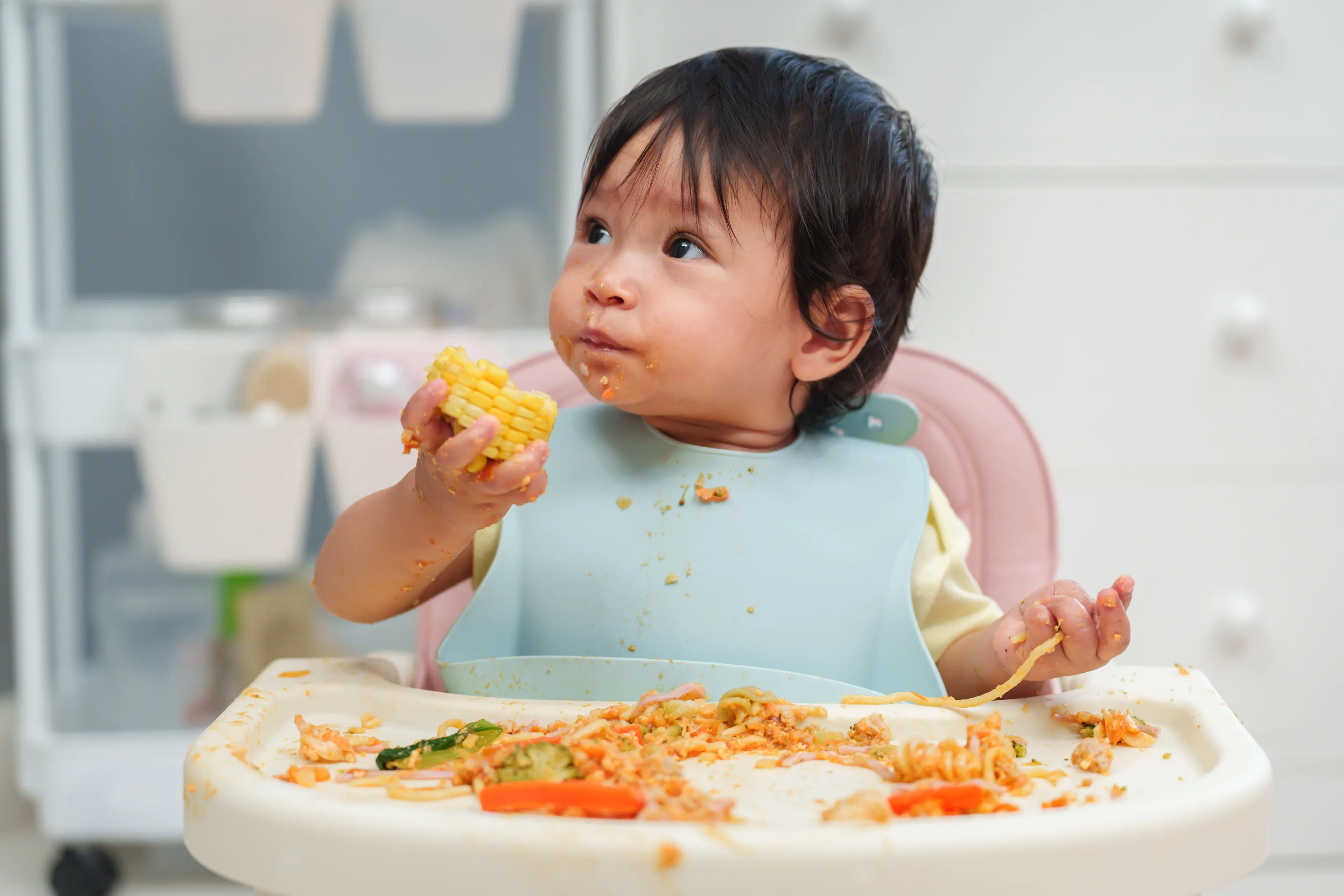
Ultimately, the baby-led weaning meaning boils down to a simple, respectful concept: letting your led weaning baby decide how much, how fast, and what they want to eat from the safe options placed before them. By putting safe, graspable pieces of food directly on their highchair tray, you encourage active sensory exploration, curiosity, and independent development.

Baby Led Weaning vs Traditional Weaning

When deciding how to introduce solid foods, most parents compare baby led weaning vs traditional weaning. Both methods have unique merits, and understanding the core differences can help you decide which path fits your family's lifestyle best.

Let’s look at traditional weaning vs baby led weaning side-by-side:


Feature Traditional Weaning Baby-Led Weaning (BLW) 
Starting Texture Smooth, thin purees. Soft, finger-sized solid foods. 
Feeding Method Parent spoon-feeds the baby. Baby self-feeds using their hands 
Control The parent controls the pace and portion size. The baby controls how much they consume. 

Texture Progression 
Slow transition from purees to mashed, then lumpy, then finger foods by 9–12 months. Baby experiences varied textures and shapes from day one. 
Meal Preparation Separate meals (pureeing, freezing, and reheating baby jars). Baby eats modified versions of the regular family meal. 


Traditional weaning allows you to easily track exactly how many spoonfuls your baby swallows. On the other hand, the baby-led approach fosters self-regulation, early hand-eye coordination, and sensory confidence by skipping the intermediary step of purees.

Benefits of Baby Led Weaning

Why are so many modern parents and pediatric experts choosing this self-fed approach? There are several highly researched benefits of baby led weaning that make it an attractive option for growing families:

  • Promotes Early Self-Regulation: Because babies are in control of putting food in their own mouths, they learn to stop eating when they are full. This early practice of listening to internal hunger cues can promote healthy eating habits later in life.
  • Develops Fine Motor and Oral Skills: Grasping foods of different shapes, sizes, and textures improves hand-eye coordination and helps babies develop their "pincer grasp" (using the index finger and thumb). Chewing solid textures also strengthens jaw muscles, which supports speech development.
  • Encourages Adventurous Eating: Exposure to diverse textures, temperatures, and complex flavors early on can reduce the likelihood of picky eating behaviors during toddlerhood.
  • Saves Time and Money: You do not need to buy expensive commercial baby food jars or spend your weekends pureeing, portioning, and freezing separate meals.
  • Fosters Family Mealtime Integration: Your baby can sit at the dining table and eat the same healthy, nutrient-rich meals as the rest of the family (with minor modifications, such as omitting salt and sugar).

Disadvantages of Baby-Led Weaning

While the advantages are plentiful, it is equally important to understand the potential disadvantages of baby-led weaning before diving in. This ensures you can prepare yourself for the unique challenges of the journey:

  • The Mess Factor: Since babies are learning to navigate their motor skills, a significant amount of food will inevitably end up on their face, hands, clothes, and the floor. It requires patience and a good splat mat under the highchair!
  • Anxiety Around Choking: Many parents worry that offering solid pieces of food increases the risk of choking. However, research indicates that when safe food preparation guidelines are strictly followed, BLW does not carry a higher risk of choking than traditional spoon-feeding.
  • Risk of Nutritional Gaps: In the beginning, babies mostly play with, squash, and drop their food, meaning they might not swallow a large volume. If not carefully planned, babies may miss out on key nutrients—especially iron, which is critical starting at six months of age.

How to Start Safely

Before you offer your baby their first solid meal, you must ensure they are developmentally ready. Major global health organizations, including the World Health Organization (WHO) and the Centers for Disease Control and Prevention (CDC), recommend waiting until your baby is around six months of age to introduce solids. Signs of Developmental Readiness:

1. Stable Sitting: Your baby can sit upright in a highchair with little to no support, holding their head steady.
2. Loss of Tongue-Thrust Reflex: They no longer automatically push objects or food out of their mouth with their tongue.
3. Good Coordination: They can look at a piece of food, pick it up with their hand, and aim it accurately toward their mouth.
4. Interest in Food: They watch you eat intently, reach for your plate, or mimic chewing motions.

If your baby is born prematurely or has developmental delays, it is highly recommended to consult a pediatric dietitian or a certified baby food consultant before starting your solids journey. These professionals can provide tailored feeding plans to match your baby’s unique physical capabilities.

Baby Led Weaning India: Cultural Context and Foods

If you are practicing baby led weaning india, you might wonder how traditional Indian cuisine fits into this self-feeding philosophy. The good news is that many traditional Indian family meals are naturally perfect for self-feeding when prepared with safety modifications! 
When choosing weaning foods baby india, consider these simple, nutrient-dense, and soft-cooked options:

  • Steamed Vegetables: Offer long, finger-sized strips of steamed carrots, bottle gourd (lauki), potato, pumpkin, or sweet potato. Ensure they are soft enough to be easily mashed between your thumb and forefinger.
  • Soft Grains: Try soft-cooked, steamed idli cut into thick vertical strips, or soft rotis and parathas lightly soaked in mild warm dal or water to make them easy to gum and swallow.
  • Dal and Rice Balls: Mix cooked rice with thick dal, mashing it slightly so it clumps together. Roll them into small, soft, cylindrical logs that your baby can easily scoop up.
  • Ripe Fruits: Offer ripe, soft banana halves, mango slices (with the skin removed and a textured surface for a better grip), or steamed, peeled apple wedges.
  • Safety tip for Indian kitchens: Always ensure spices are kept very mild initially. Avoid adding salt, sugar, honey, or whole nuts to your baby’s portions.

FAQS

What is the difference between gagging and choking?

Gagging is a normal, safe, and loud reflex that prevents food from entering the airway. During gagging, your baby may make coughing noises, sputter, or turn slightly red as they push food forward with their tongue. Choking, however, is a silent emergency where the airway is partially or completely blocked. The baby will be silent, unable to make sound or cough effectively, and may turn blue. Always supervise your baby closely during meals.

How should I cut and prepare foods for my baby?

At six months, cut foods into long, thick strips about the size of an adult index finger. This shape allows your baby to grasp the food in their fist and bite off the portion that sticks out of the top. Around nine months, when your baby develops their pincer grasp, you can transition to small, bite-sized pieces.

Can I combine spoon-feeding and baby led weaning?

Absolutely! Many families choose a hybrid approach. You can offer pre-loaded spoons of thicker foods like yogurt, oatmeal, or mashed dal for your baby to hold and put into their own mouth, alongside soft finger foods they can grab.

What foods should I completely avoid?

Avoid hard foods (like raw apples or raw carrots), round foods that can block the airway (like whole grapes, cherry tomatoes, or whole nuts), honey (due to the risk of infant botulism), and foods high in added salt or sugar.

How do I know if my baby is eating enough?

Up until one year of age, breast milk or infant formula remains your baby’s primary source of nutrition and hydration. In the early stages of solids, food is primarily for exploration, sensory learning, and motor skill practice. Trust your baby’s cues; if they are growing well and meeting their developmental milestones, they are getting plenty of nutrition.

Apollo 247 Floating Action Button