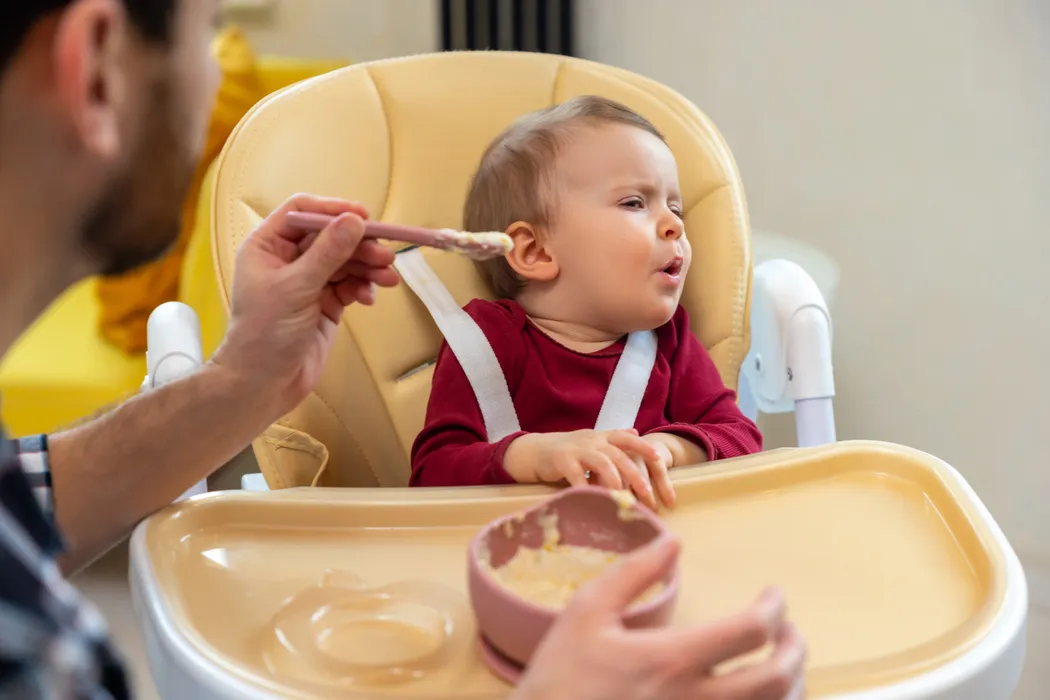
Learn why babies refuse food, how to support healthy eating from 6 months onwards, and when feeding refusal may signal teething, illness, allergies, reflux, sensory difficulties or nutritional concerns.
Dr.Nallapu Siri
Few things trigger parental anxiety quite like a baby not eating food. You spend time carefully preparing a fresh, nutritious meal, only for your little one to turn their head away, push the spoon, or close their mouth tightly. If you find yourself asking, "Why is my baby not eating food?" or wondering why your baby has suddenly stopped eating baby food, you are definitely not alone.
Many parents experience frustrating periods when a baby refuses to eat. Whether your infant is transitioning to purées or your older baby is becoming more independent with food, understanding the possible reasons can help you navigate this phase with confidence. This guide covers common physical, developmental, nutritional, sensory and medical reasons for feeding difficulties, along with practical tips for supporting your baby at mealtimes.
If your baby does not want to eat, it can be difficult not to worry about their growth and nutrition. However, there are many temporary reasons for a reduced appetite. Teething, minor illness, developmental changes, tiredness, and simply being full can all affect how much your baby eats.
Here are some common reasons your baby may refuse food:
Teething Pain: When teeth begin to emerge, swollen or tender gums can make chewing uncomfortable. A baby who is fussy, drooling more than usual, or chewing on toys may temporarily eat less.
Minor Illness: Colds, ear infections and sore throats can reduce appetite. Babies may also temporarily reject foods if swallowing is uncomfortable.
Distractions and Developmental Changes: Babies become increasingly curious and mobile during the latter part of their first year. They may be more interested in exploring than sitting down for a meal.
Desire for Independence: A baby who turns away from a spoon or wants to grab the food themselves may be showing a growing preference for self-feeding.
Being Too Full: A large milk feed shortly before a meal can leave little room for complementary foods.
A short period of reduced appetite is often not a concern if your baby remains alert, hydrated, active and continues to grow appropriately.
Medical Reasons a Baby May Suddenly Refuse Food
While developmental changes are common, sudden or persistent food refusal can sometimes have an underlying medical cause. It is important not to assume that every feeding problem is simply picky eating.
Reflux and Silent Reflux
Reflux can make feeding uncomfortable. Some babies spit up visibly, while others may have symptoms of reflux without obvious vomiting. This is sometimes described as silent reflux. A baby with reflux may pull away from the breast or bottle, arch their back during feeds, cry after feeding, swallow repeatedly, cough or become unsettled when lying down. If feeding refusal is accompanied by these symptoms, discuss it with your paediatrician.
Cow's Milk Protein Allergy
Cow's milk protein allergy can cause symptoms involving the skin, digestive system or respiratory system. Possible signs include eczema, hives, vomiting, diarrhoea, blood or mucus in stools, abdominal discomfort, wheezing or feeding difficulties.
A suspected food allergy should be assessed by a healthcare professional. Do not remove major food groups from your baby's or breastfeeding parent's diet without appropriate medical or dietetic guidance.
Oral-Motor or Swallowing Difficulties
Some babies struggle with the physical skills needed to manage food. An oral-motor delay can affect chewing, tongue movement and swallowing.
Signs that may warrant assessment include frequent coughing or choking during meals, difficulty moving food around the mouth, repeatedly holding food in the mouth, or consistently swallowing food without chewing appropriately for their developmental stage.
If these difficulties are persistent, speak with your paediatrician. A paediatric speech and language therapist or feeding specialist may be able to assess your baby's feeding skills.
Understanding Feeding Challenges by Age
A baby's relationship with food changes rapidly during the first year. Instead of focusing on individual months, it is more useful to consider broader developmental stages.
6 to 8 Months: Exploring Solids
Around 6 months, babies can begin complementary foods when they show the appropriate developmental signs of readiness. Breast milk or infant formula remains an important source of nutrition.
At first, your baby may eat only a small amount. Learning to move food around the mouth, swallow new textures and accept unfamiliar flavours takes practice.
A baby who refuses food during this stage may simply need more time to become comfortable with solids. Offer small amounts without pressure and continue providing breast milk or formula as appropriate.
Texture Progression
Texture progression is an important part of learning to eat. You can gradually move from smooth foods towards thicker and more textured foods as your baby's skills develop.
Developmental Stage
Suitable Texture Examples
Beginning Solids
Smooth or well-mashed purées
Developing Eating Skills
Thicker mashed foods and soft, lumpy textures
Improving Hand and Mouth Skills
Soft finger foods that can be easily mashed
More Advanced Skills
Soft, finely chopped or appropriately prepared family foods
Avoid keeping your baby on smooth purées indefinitely. Progressing textures according to their abilities gives them opportunities to practise chewing and managing different foods.
9 to 12 Months: Finger Foods and Growing Independence
By 9 months, many babies are ready to explore a wider range of textures and soft finger foods. A baby who previously accepted spoon-fed purées may suddenly want to hold and feed themselves.
Try offering safe, soft foods such as ripe avocado, soft-cooked vegetables, appropriately prepared fruit, well-cooked pasta, shredded meat or other suitable family foods. If your baby refuses spoon-feeding but eagerly picks up food, this may reflect a normal desire for independence rather than a lack of appetite.
12 Months and Beyond: Appetite Changes and Independence
After the first birthday, growth generally becomes slower than during infancy. As a result, appetite can vary considerably from one meal or day to another.
A toddler may eat a substantial breakfast and very little at lunch, then eat more at dinner. Rather than judging intake by one meal, consider what your child eats across several days.
Continue offering regular meals and snacks, provide a variety of nutritious foods, and allow your child to decide whether and how much to eat. Force-feeding can create negative associations with mealtimes.
Nutrition: What If My Baby Is Not Eating Enough?
When a baby refuses food, parents often worry about whether they are getting enough nutrients. Once complementary feeding begins, offering nutrient-dense foods is particularly important.
Iron-Rich First Foods
Iron is an important nutrient during infancy, particularly because babies need adequate iron for normal growth and development.
Good complementary food choices include:
Iron-Fortified Cereals: Choose an age-appropriate iron-fortified infant cereal.
Meat and Poultry: Offer appropriately prepared, soft textures.
Eggs: Well-cooked eggs can be introduced as an age-appropriate complementary food.
Beans and Lentils: Soft-cooked pulses can provide iron and other nutrients.
Dark Green Vegetables: Foods such as spinach can contribute iron as part of a varied diet.
If your baby consistently eats very little or has a restricted diet, discuss their nutritional intake with your paediatrician. Persistent poor intake can increase the risk of nutritional deficiencies, including iron deficiency.
What to Do If Baby Is Not Eating Food: Helpful Solutions
If you are staring at a full plate and wondering what to do if your baby is not eating food, take a deep breath. The goal is not to force your baby to finish a portion. Instead, focus on creating positive and predictable opportunities to eat.
Here are some practical strategies:
Do Not Force-Feed: If your baby turns away, closes their mouth or pushes food away, respect the signal. You can offer the food again at another meal.
Keep a Consistent Routine: Regular meal and snack times can help your baby develop predictable eating patterns.
Offer Age-Appropriate Textures: Progress from smooth purées to thicker mashed foods, soft lumps and suitable finger foods as your baby's skills develop.
Offer Self-Feeding Opportunities: If your baby is interested in grabbing food, provide appropriately prepared finger foods and allow them to practise feeding themselves.
Keep Meals Calm: Reduce distractions such as television, phones and noisy toys.
Eat Together: Babies learn by watching others. Eating together can encourage them to explore foods and imitate family members.
Limit Excessive Milk or Snacks Before Meals: Too much milk or frequent snacking can reduce appetite for complementary foods. Continue breast milk or formula according to your baby's age and individual needs.
How to Tell the Difference Between Feeding Aversion and Normal Independence
Not every refusal means your baby has a feeding problem. Some behaviours are a normal part of developing independence.
Signs That May Reflect Normal Development
Your baby occasionally refuses a food but accepts other foods.
Appetite varies from meal to meal.
Your baby remains energetic and generally well.
Your baby is willing to explore foods, touch them or put them in their mouth.
Your baby continues to grow appropriately.
Signs That May Suggest Feeding Aversion or a Feeding Difficulty
Your baby consistently becomes distressed when food is presented.
Your baby repeatedly refuses most textures or food groups.
Your baby coughs, chokes or gags frequently during meals.
Your baby regularly holds food in their mouth.
Your baby appears to experience pain during or after eating.
Your baby has persistent vomiting, diarrhoea, blood in the stool, eczema or other symptoms that could indicate an allergy or gastrointestinal problem.
Your baby is not gaining weight as expected.
Persistent or severe symptoms should be assessed by a healthcare professional rather than managed through pressure or force-feeding.
Introducing Common Allergens Safely
Common allergens such as peanut, egg, milk, wheat, soya, fish and sesame can be introduced when your baby is ready for complementary foods, provided they are prepared in an age-appropriate form.
There is no need to delay allergenic foods unnecessarily. Introduce them in safe textures and in small amounts. Once tolerated, continue offering them regularly as part of a varied diet.
If your baby has severe eczema, an existing food allergy, or another condition that may increase their allergy risk, speak with your paediatrician before introducing certain allergens.
Never give whole nuts or other choking hazards. Peanut should be offered as smooth peanut butter thinned into an appropriate food or in another safe form recommended for your baby's developmental stage.
What to Do If Baby Is Not Eating Food and Is Dehydrated
Reduced food intake is different from refusing fluids. Babies who refuse both food and milk or other appropriate fluids can become dehydrated.
Watch for warning signs such as:
Fewer Wet Nappies: A noticeable reduction in urine output can indicate dehydration.
Dry Mouth: The mouth and lips may appear unusually dry.
Few or No Tears: Babies who are dehydrated may produce fewer tears when crying.
Sunken Soft Spot: A noticeably sunken fontanelle can be a sign of significant dehydration.
Unusual Sleepiness: Marked lethargy, weakness or difficulty waking is concerning.
Poor Feeding: A baby who refuses both breast milk or formula and complementary foods needs prompt attention.
If your baby is very sleepy, difficult to wake, has significantly reduced urine output, cannot keep fluids down, has breathing difficulties, or appears seriously unwell, seek urgent medical care.
When to Call the Paediatrician
While temporary food refusal is common, persistent or severe feeding difficulties deserve professional assessment.
Contact your paediatrician if you notice:
Weight loss, poor weight gain, or concerns about growth.
Persistent vomiting, diarrhoea, constipation, fever, or signs of pain.
Hives, swelling, eczema flare-ups, blood or mucus in stools, vomiting, wheezing, or other symptoms after eating.
Frequent choking, coughing, gagging, difficulty chewing, or persistent food pocketing.
Severe distress whenever food is presented or persistent refusal of most foods.
Markedly fewer wet nappies, very dry mouth, no tears, a sunken fontanelle, or unusual lethargy.
FAQs
Why is my baby suddenly refusing to eat solid food?
Sudden food refusal can occur because of teething, illness, tiredness, developmental changes or a desire for independence. However, if refusal is persistent or occurs alongside vomiting, diarrhoea, eczema, pain, coughing, choking or poor growth, speak with your paediatrician.
What should I do if my 9-month-old refuses to eat?
Try changing the texture and offering safe, soft finger foods if your baby is developmentally ready. Some babies become less interested in spoon-feeding as they develop greater independence. Keep meals relaxed and avoid forcing your baby to eat.
Why does my 8-month-old refuse to eat solids?
Teething can make eating uncomfortable, but your baby may also still be learning to manage new textures. Offer suitable soft foods, continue to provide breast milk or formula as appropriate, and allow your baby time to explore food without pressure.
How can I encourage a baby who is refusing food?
Offer regular meals and snacks, provide a variety of age-appropriate foods, progress textures gradually, and allow your baby to decide how much to eat. Eating together as a family and allowing safe self-feeding can also help.
Could reflux cause my baby to refuse food?
Yes. Reflux can make feeding uncomfortable for some babies. Signs may include pulling away during feeds, crying or arching the back during or after feeds, frequent spit-up, coughing or repeated swallowing. Silent reflux may occur without obvious spit-up. Discuss persistent symptoms with your paediatrician.
Could a milk allergy cause my baby to stop eating?
A cow's milk protein allergy can cause symptoms affecting the skin, digestive system and respiratory system and may contribute to feeding difficulties. Possible symptoms include eczema, hives, vomiting, diarrhoea, blood or mucus in stools and wheezing. If you suspect an allergy, seek medical advice rather than removing dairy from your baby's diet without guidance.
What if my baby is not eating food at all and seems lethargic?
If your baby is refusing both solids and breast milk or formula and is unusually sleepy, has significantly fewer wet nappies, produces few or no tears, has a dry mouth, has a sunken soft spot, or appears seriously unwell, seek urgent medical attention.