logo
0

Self-Feeding and Pincer Grasp Development

 Learn how to support your baby's pincer grasp development and self-feeding. Discover safe foods, milestone timelines, and expert tips for independent eating.

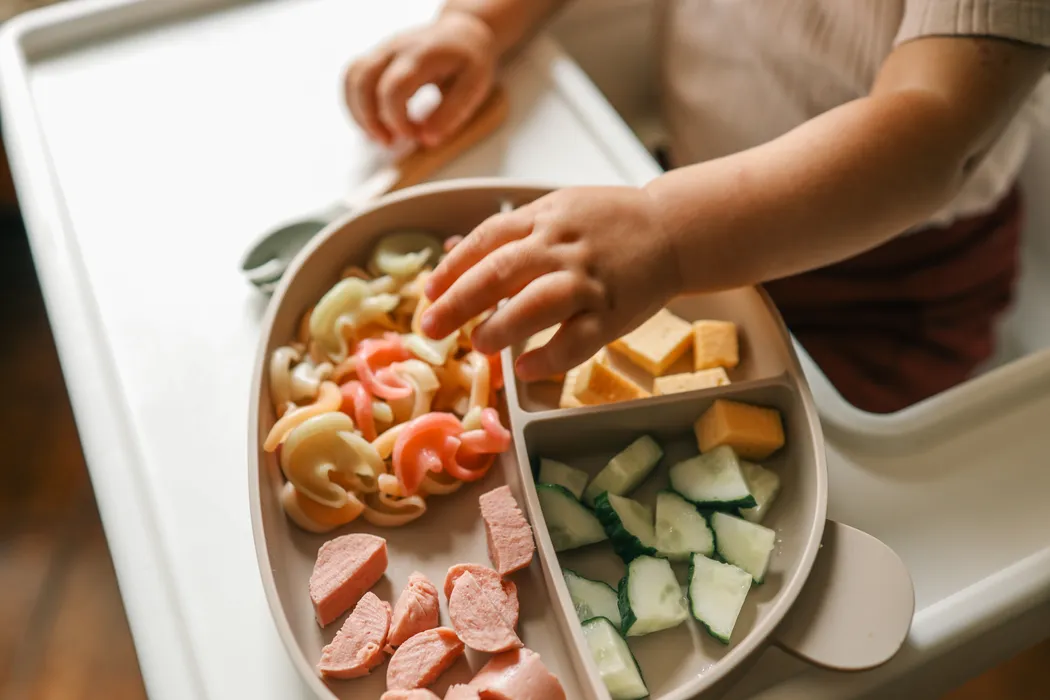
article image

Dr.Kamran

Few things match the joy and the mess of watching your baby explore their very first solid baby food. During the first year of life, your little one goes through an extraordinary developmental transformation. They transition from relying entirely on milk to curiously investigating, grabbing, and tasting family foods.

Among these milestones, the development of the pincer grasp is one of the most significant. This fine motor skill, which involves using the index finger and thumb to pick up small objects, is a crucial stepping stone towards independence.

Understanding how baby pincer grasp picking food develops can help you support your child's journey towards independent eating with confidence and peace of mind. In this comprehensive guide, we will explore the developmental timeline of self-feeding, look at safe foods to offer, and share practical, expert-backed tips to make mealtime a positive learning experience.

What Is the Pincer Grasp and Why Is It Important?

The pincer grasp is the coordination of the index finger and thumb to pinch and hold an object. While it might look simple to an adult, it is actually a complex neurological and physical milestone. It requires precise visual-motor integration, muscle strength, and hand-eye coordination.

Before babies develop this grasp, they use the palmar grasp. Around six months of age, when babies first begin solids, they use their entire palm to scoop up or clutch food. This is why early finger foods are typically offered in long, spear-like shapes, such as a strip of roasted courgette or a thick slice of avocado.

As your baby’s nervous system matures, they gain control over the smaller muscles in their fingers. This shift is essential for baby eating food by their own routines, as it allows them to target, pick up, and successfully navigate smaller, bite-sized pieces of food to their mouths.

The Milestone Timeline: From Raking to Refined Grasping

Every child develops at their own pace, but motor skills generally follow a predictable sequential pattern:
 

StageApproximate AgeHow Baby Grasps Food
Palmar GraspAround 6 monthsUses the whole palm to grab
Crude Pincer GraspAround 8 to 9 months
 
Uses the pads of the thumb and finger
Neat Pincer GraspAround 10 to 12 months
Uses the tips of the thumb and finger

6 to 7 Months: The Raking Grasp

At this stage, babies use their whole hand to pull objects towards themselves. If you place a small piece of food on the highchair tray, they will likely try to sweep it into their palm using all their fingers at once.

8 to 9 Months: The Crude Pincer Grasp

Around this time, you will notice your baby attempting to pinch objects. Instead of using the tips of their fingers, they will use the pads of their index finger and thumb. This is a common age for a 9-month-old baby to develop a pincer grasp and pick up food, which becomes noticeably active during mealtimes.

10 to 12 Months: The Neat Pincer Grasp

By their first birthday, many babies have developed a neat pincer grasp. They can use the tips of their thumb and index finger to pick up small objects with increasing precision. At this stage, baby pincer grasp picking small food, such as a single piece of puffed grain or a green pea, becomes more efficient.

Why Self-Feeding Matters for Baby's Development

Allowing your baby self eating food opportunities is about much more than just filling their stomach. It is a sensory and developmental workout that benefits your baby in several key areas:

  • Fine Motor Coordination: Repeatedly pinching, holding, and releasing food builds the tiny muscles in the hand. These are the same muscles your child will eventually use to hold pencils, write, and use scissors.
  • Cognitive Development: Babies learn basic physics and cause-and-effect at the highchair. They learn that squeezing a soft banana too hard will squash it, whereas a firmer food can be held and moved.
  • Sensory Exploration: Food offers a rich variety of textures, temperatures, smells, and colours. Touching and exploring food with their fingers helps reduce sensory defensiveness, making them less likely to become picky eaters later on.
  • Self-Regulation: When a baby feeds themselves, they decide how much to eat and how fast to eat. This helps them listen to their internal hunger and fullness cues, setting a healthy foundation for lifetime eating habits.

Safe and Nutritious Foods for Pincer Grasp Practice

When your baby is ready to practise their coordination, choosing the right size and texture of food is essential. The ideal food should be soft enough to be mashed between your tongue and the roof of your mouth, but firm enough to hold its shape when picked up.

To encourage baby self feeding soft food, try incorporating these nutritious, easy-to-grasp options into their meals:
 

Food CategorySafe Preparation Method
Ripe FruitsSmall cubes of soft avocado; ripe banana pieces; steamed, peeled pear bites
Cooked VegetablesWell-cooked sweet potato cubes; soft-boiled carrot discs; steamed butternut squash
Proteins and GrainsFlaked, boneless salmon; well-cooked, halved green peas; small pieces of soft tofu

When your baby pincer grasp picking food activities begin to improve, you can slowly introduce smaller, drier textures, such as low-sodium, unsweetened puffed grains or tiny pieces of well-toasted bread. Always make sure that any baby pincer grasp picking small food item is completely soft and dissolves easily in the mouth to reduce the risk of choking.

How to Train Your Baby to Self-Feed

Many parents wonder how to train baby to eat by himself safely and happily. Teaching your baby to feed themselves is a gradual process of modelling, patience, and encouraging self-exploration.

Here are practical steps to guide your little one:

1. Let Them Watch You Eat

Babies are natural mimics. Sit together for family meals and let your child observe how you use your hands and utensils to eat. Seeing you chew and swallow teaches them the mechanics of eating.

2. Start with Spoon Pre-Loading

If you are wondering how to make baby eat food by himself using utensils, start by pre-loading a soft, baby-safe spoon with thick purees, such as oatmeal or plain Greek yoghurt, and placing it on their tray. Let them grab the handle and guide it to their own mouth.

3. Place Just a Few Pieces of Food on the Tray

An entire plate piled high with food can overwhelm a baby. They may end up sweeping it all onto the floor in frustration. Instead, place only two or three pieces of food on their clean highchair tray at a time. This keeps them focused on targeting individual pieces and practising their grasp.

4. Provide a Safe Learning Environment

Embrace the mess. Avoid wiping your baby's hands and face constantly during the meal, as this can cause frustration and distract them from learning. Cover the floor beneath the highchair with an easy-to-clean mat and let them explore.

Safety First: Choking vs. Gagging

Safety is the number one priority when encouraging independent eating. It is completely normal for parents to feel anxious about choking, but understanding the difference between normal gagging and true choking can help you stay calm and react appropriately.

Gagging: A Normal Learning Mechanism

Gagging is a normal protective reflex that helps prevent choking. Because a baby’s gag reflex is located closer to the front of their tongue than an adult's, they may gag easily when food travels too far back before they are ready to swallow.

  • Signs of gagging: Watering eyes, thrusting the tongue forwards, coughing, sputtering, or making retching sounds.
  • What to do: Stay calm, watch them closely, and let them work the food out on their own. Do not stick your finger in their mouth, as this can accidentally push the food further down their throat.

Choking: A True Emergency

Choking occurs when the airway is partially or completely blocked. This is a life-threatening emergency.

  • Signs of choking: Silence, inability to cry or cough effectively, blue or grey skin tone, and wide-eyed panic.
  • What to do: Immediately call emergency services and perform age-appropriate infant or child choking first aid. It is highly recommended that all parents and caregivers take an infant CPR and choking first-aid class before starting solids.

Crucial Safety Rules

  • Never leave your baby unattended while they are eating.
  • Ensure your baby is sitting completely upright in a sturdy highchair.
  • Avoid high-risk choking foods, including whole grapes, whole cherry tomatoes, raw carrots, hard apple slices, whole nuts, popcorn, and hot dog rounds.

FAQS

What if my 9-month-old isn't using a pincer grasp yet?

Do not panic. While many babies begin developing this skill around 8 to 9 months, children develop at different rates. Ensure you are giving your baby plenty of safe, hands-on opportunities to practise picking up foods during meals, and discuss any milestone concerns with your paediatrician.

Can I use non-food items to practise fine motor skills?

Yes, but only under close supervision. Babies naturally explore the world by putting things in their mouths. Playing with safe, age-appropriate toys, such as stacking rings, soft blocks, and large sensory boards, can help build hand strength while allowing your baby to practise fine motor skills.

How do I transition my baby from purees to finger foods?

Start by gradually thickening purees and adding texture, such as mashed avocado or lumpy oatmeal. Once your baby handles mashed foods comfortably, offer very soft finger foods, such as well-cooked sweet potato wedges or small pieces of ripe banana.

Does it matter which hand my baby uses to pick up food?

No. Hand preference typically does not become clearly established until later in childhood. At this stage, your baby may use both hands interchangeably to pick up food. Encouraging the use of both hands can support bilateral coordination.

My baby just throws the food on the floor. What should I do?

Throwing food can be a normal part of development. It allows babies to explore cause and effect and their environment. If your baby starts throwing food, it may also mean they are full or bored. Calmly remove the tray, end the meal without anger, and try again at the next scheduled snack or mealtime.

Apollo 247 Floating Action Button