logo
0

Baby Puffs and Packaged Snacks

Are baby puffs snacks safe for your little one? Learn when to introduce baby snacks puffs, what ingredients to avoid, and healthy whole-food alternatives.

article image

Dr.Bhanu Prakash

Becoming a parent is a journey filled with exciting milestones, and one of the most memorable is transitioning your baby to solid foods. As your little one grows and begins to show an interest in the food on your plate, you will likely find yourself walking down the baby food aisle, face-to-face with a massive array of colourful packages. Among the most popular and eye-catching options are baby puff snacks. These melt-in-your-mouth finger foods have become a staple in nappy bags and pantries worldwide. But are they actually healthy for your child, and when is the right time to introduce them?

In this comprehensive guide, we will break down the nutritional facts about packaged baby snacks, discuss safety considerations, and share healthy, whole-food alternatives that support your baby’s growth and development.

What Exactly Are Baby Puffs and Packaged Snacks?

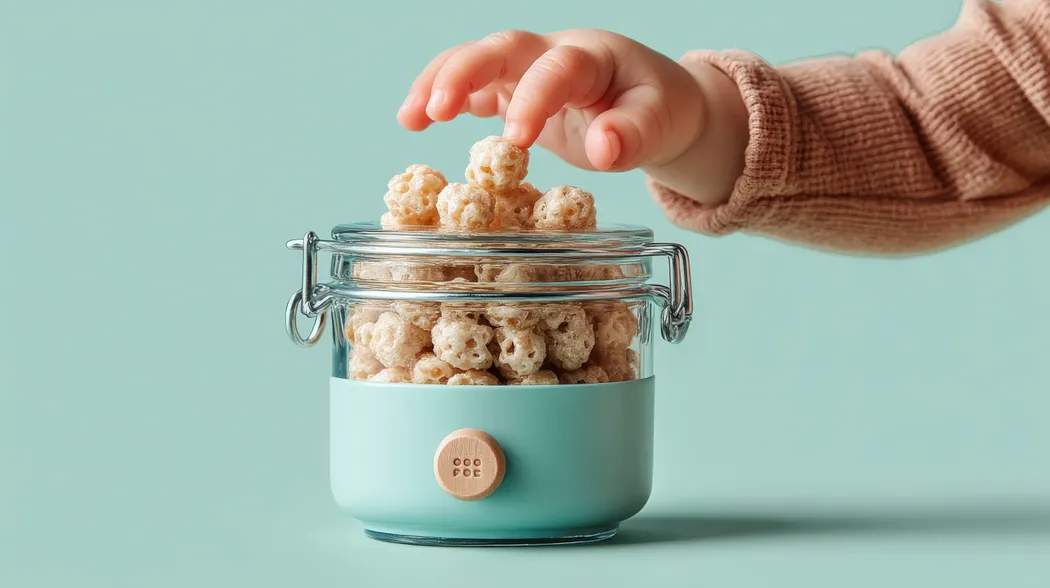
Most commercial puff snacks for babies are made from grain flours, such as rice, oat, wheat or quinoa, that are mixed with water, heated and pushed through a machine under high pressure. This process, known as extrusion, expands the mixture into light, airy and bite-sized shapes.

To appeal to young palates, manufacturers often coat these snacks with fruit juices, vegetable powders and synthetic vitamins. However, while baby food puffs are incredibly convenient and easy for little hands to hold, they are highly processed foods. The extrusion process strips away a significant portion of the natural dietary fibre and nutrients from the grains, leaving behind a snack that is predominantly composed of quick-digesting carbohydrates.

Are Baby Snacks Puffs Safe for 6-Month-Old Infants?

One of the most frequent questions parents have is whether baby snack puffs are safe for 6-month-old infants to consume.

According to guidelines from the Centers for Disease Control and Prevention (CDC) and the American Academy of Pediatrics (AAP), most infants are ready to start eating solid foods around 6 months of age. However, chronological age is less important than developmental readiness.

Before introducing any finger foods, including baby snacks puffs, your child should display the following developmental milestones:

  • Excellent Head Control: Your baby must be able to hold their head upright and steady without support.
  • Independent Sitting: Your baby should be able to sit with little to no support in a highchair.
  • Loss of the Tongue-Thrust Reflex: They should no longer automatically push solid objects out of their mouth with their tongue.
  • Interest in Food: Your baby watches you eat, reaches for your food or opens their mouth when food is offered.

While some babies reach these milestones right at 6 months, many are not quite ready for dry, self-fed snacks until closer to 7 or 8 months. At 6 months of age, your baby’s primary source of nutrition should still be breast milk or infant formula. If you choose to introduce solids at this stage, starting with nutrient-dense, single-ingredient purées or soft, mashed whole foods is generally recommended over dry, processed snacks.

Are Baby Puffs Snacks Safe and Healthy for Your Little One?

To decide whether to include these snacks in your child’s diet, it is helpful to weigh the advantages and disadvantages of baby puff snacks.
 

Pros of Packaged Baby PuffsCons of Packaged Baby Puffs
Helps develop fine motor skillsLow nutrient density ("empty calories")
Highly convenient for parents on the goOften contain added sugars or sodium
Dissolve quickly, reducing choking riskPotential exposure to heavy metals
Fun and engaging sensory experienceCan contribute to early tooth decay

The Pros: Skill Development and Convenience

  • Fine Motor Skills: Picking up a tiny, star-shaped puff is a fantastic way for your baby to practise the "pincer grasp", the ability to pinch objects between the thumb and pointer finger.
  • Self-Feeding Confidence: Because these snacks dissolve quickly in saliva, they give babies a safe opportunity to practise chewing and swallowing without a high risk of choking.
  • Convenience: For busy parents, a resealable container of portable snacks is an easy way to keep a baby occupied and happy during grocery shopping trips or car rides.

The Cons: Low Nutritional Value and Chemical Concerns

  • Lack of Real Nutrition: Puffs are incredibly light. A baby would need to eat a massive quantity of them to get any substantial calories, protein, healthy fats or natural fibre. They can easily fill up small tummies, leaving less room for highly nutritious breast milk, formula or wholesome meals.
  • Dental Health Risks: Although they dissolve quickly, the sticky, starchy paste left behind by processed grains can cling to emerging baby teeth, increasing the risk of early childhood dental caries (cavities).
  • Heavy Metal Contamination: In recent years, independent investigations and reports from consumer advocacy groups have highlighted that many commercial baby foods, particularly rice-based baby puff snacks, contain measurable levels of heavy metals such as inorganic arsenic, lead and cadmium. These elements naturally occur in soil but are absorbed in higher amounts by rice plants. Regular exposure to heavy metals can negatively impact a baby’s developing brain and nervous system.

How to Choose the Healthiest Baby Puff Snacks?

If you decide to purchase packaged snacks for your baby, being a diligent label reader is essential. Use these expert tips to select the safest and most nutritious products:

  • Skip the Rice-Based Options: To minimise your child's exposure to inorganic arsenic, choose snacks made from alternative grains like whole-grain oats, barley, quinoa or sorghum. Legume-based puffs (made from chickpeas or lentils) are also excellent alternatives that naturally offer more protein and fibre.
  • Avoid Added Sugars: The dietary guidelines for infants recommend zero added sugars for children under the age of two. Check the ingredient list closely for hidden sugars, including cane sugar, organic cane syrup, fruit juice concentrate, brown rice syrup and dextrose.
  • Watch the Sodium: A baby’s kidneys are still developing and cannot easily process high amounts of salt. Choose snacks that have 0 mg of sodium per serving, or as close to zero as possible.
  • Look for Whole Grains: The very first ingredient listed on the package should be a whole grain, such as "whole-grain oat flour", rather than a refined starch or flour.

Healthy, Whole-Food Alternatives to Packaged Puffs

You do not need to rely on store-bought snacks to help your baby practise their self-feeding skills. Nature provides plenty of soft, nutrient-dense and budget-friendly alternatives that require minimal preparation:

  • Ripe Avocado Pieces: Rich in healthy monounsaturated fats, avocado is soft, easy to gum and supports brain development. If the pieces are too slippery for your baby to grasp, roll them in a small amount of infant oatmeal or ground flaxseed to add texture.
  • Steamed Sweet Potato Bites: Cut sweet potatoes into small, bite-sized cubes or finger-length spears and steam them until they are completely soft. They provide a natural sweetness alongside high levels of beta-carotene (vitamin A).
  • Banana Slices: Ripe bananas are naturally soft and sweet. You can cut them into rounds or slice them lengthwise into thirds, which makes them easier for babies to hold.
  • Soft-Scrambled Eggs: Eggs are a nutritional powerhouse, offering high-quality protein, iron and choline. Scramble an egg and cut it into small, manageable strips for your baby to pick up.
  • Thawed Frozen Peas: Once your baby has mastered the pincer grasp, gently cooked or thawed frozen peas are the perfect size for picking up and are packed with fibre and vitamins.

The Takeaway: Finding a Healthy Balance

When it comes to feeding your child, moderation and balance are key. Baby puff snacks are not inherently toxic or dangerous, and they can certainly play a convenient role in your parenting toolkit. However, they should be viewed as a fun, occasional tool for practising motor skills rather than a daily dietary staple.

By prioritising a diverse diet rich in whole vegetables, fruits, healthy fats and high-quality proteins, you will set your child up for a lifetime of healthy eating habits.

FAQS

Do baby puffs dissolve instantly in a baby's mouth?

While baby puffs are designed to dissolve rapidly when exposed to saliva, they do not disappear instantly. A baby still needs to use their tongue and gums to actively break down and swallow the food. Always supervise your baby closely while they are eating any solid food to prevent choking.

What are the main safety hazards of packaged baby snacks?

The primary safety hazards include choking if the baby is not developmentally ready or is left unsupervised, and dental cavities caused by starchy residue sticking to their teeth. Additionally, long-term exposure to trace amounts of heavy metals found in certain grain-based snacks remains a developmental concern.

Are rice puffs safe for babies to eat daily?

Due to the naturally higher levels of inorganic arsenic found in rice crops, health organisations like the FDA and the AAP recommend limiting your baby’s intake of rice-based products. It is safest to rotate rice puffs with snacks made from oats, quinoa or legumes to minimise heavy metal exposure.

How many puffs can a baby eat in a single day?

There is no set daily limit, but puffs should not displace nutrient-dense meals, breast milk or formula. Treat them as an occasional snack; offering a small handful (around 10 to 15 puffs) once a day is more than enough for motor skill practice.

Can baby puffs cause constipation in infants?

Yes, highly processed grain snacks that lack dietary fibre can contribute to constipation if eaten in large quantities. If you notice your baby is struggling with hard stools, reduce their intake of packaged snacks and offer high-fibre whole foods like puréed prunes, pears or avocados instead.

Apollo 247 Floating Action Button