logo
0

Baby Puree Combinations Guide: Healthy Ideas & Chart

Discover the best baby puree combinations to nourish your little one. Includes nutritional tips, developmental age guides, and a handy food chart!

article image

Dr.Kamran

Introducing your little one to the world of solid foods is an exciting milestone. As your baby transitions from a milk-only diet to solids, offering a variety of flavors and textures supports their development and encourages healthy eating habits for life. While single-ingredient spoonfuls are a great starting point, introducing homemade baby puree combinations can turn mealtime into a sensory adventure that maximizes nutrition.

Combining different fruits, vegetables, grains, and proteins helps ensure your baby receives a diverse array of essential vitamins and minerals. In this guide, we will explore how to safely blend foods, provide age-appropriate recipe ideas, and give you a practical blueprint to make meal prep stress-free.

Why Offer Combination Food for Babies?

When your baby first starts solids (around 6 months of age), their rapid growth requires a boost in key nutrients, especially iron and zinc. Offering combination food for babies is a wonderful way to naturally enhance nutrient absorption.

For example, pairing a plant-based iron source (like spinach or lentils) with a food high in Vitamin C (like bell peppers or apples) significantly boosts how much iron your baby’s body can absorb.

Additionally, offering creative baby food puree combinations helps with:

  • Expanding the Palate: Exposing infants to diverse flavor profiles early on can reduce picky eating during the toddler years.
  • Texture Progression: Combining smooth purees with slightly thicker textures (like mashed banana or quinoa) helps babies learn to chew and swallow safely.
  • Convenience: Preparing multi-ingredient meals in batches allows you to freeze nutrient-dense portions, saving you time in the kitchen.

How to Safely Introduce Baby Puree Combinations?

Before you start mixing your favourite fruits and vegetables, safety is the number one priority. Paediatric experts, including the American Academy of Paediatrics (AAP) and the Centers for Disease Control and Prevention (CDC), recommend introducing single-ingredient foods first.

The 3-to-5-Day Rule

Introduce one single ingredient at a time and wait 3 to 5 days before introducing another new food. During this period, monitor your baby closely for any signs of an allergic reaction or intolerance, such as:

  • Skin rashes, hives, or eczema
  • Vomiting or diarrhea
  • Swelling of the lips, tongue, or face
  • Difficulty breathing (which requires immediate emergency medical attention)

Once your baby has safely tolerated two or more ingredients individually, you can confidently blend them together to create delicious puree combinations for baby.

Stage 1: Baby Food Combinations 6 Months

At six months old, breast milk or formula remains your baby's primary source of nutrition. Solid foods at this stage are all about exploration and practicing motor skills. Ideal baby food combinations 6 months should focus on thin, completely smooth purees that are easy to swallow.

Here are some gentle, nutrient-rich pairings to try once your baby has successfully tolerated each ingredient individually:

  • Avocado & Banana: No cooking required! Simply mash half a ripe avocado with half a banana and blend until velvety smooth. This combination is packed with healthy fats (monounsaturated fatty acids) essential for brain development.
  • Sweet Potato & Pear: Steam sweet potato cubes and pear slices until completely soft. Blend them together with a splash of breast milk or formula. The pear adds natural sweetness and dietary fiber, which helps keep your baby's digestion regular.
  • Peas & Zucchini: Steam green peas and zucchini together, then blend. This vibrant green puree introduces savory, earthy flavors early on.

Stage 2: Baby Food Combinations 7 Months

By seven months, many babies are ready for slightly thicker textures and more complex flavor profiles. You can begin introducing healthy grains, legumes, and well-cooked proteins into the mix.

By this stage, baby food combinations 7 months can include three-ingredient blends and subtle culinary herbs to tickle their tastebuds:

  • Butternut Squash, Apple, & Spinach: Steam squash and apple until soft, adding a handful of fresh baby spinach during the last two minutes of steaming. Blend with a pinch of ground cinnamon to introduce warm, comforting spices.
  • Oats, Blueberry, & Banana: Prepare plain rolled oats with water or breast milk. Stir in pureed blueberries and mashed banana. This hearty breakfast blend is rich in antioxidants, fiber, and slow-release carbohydrates.
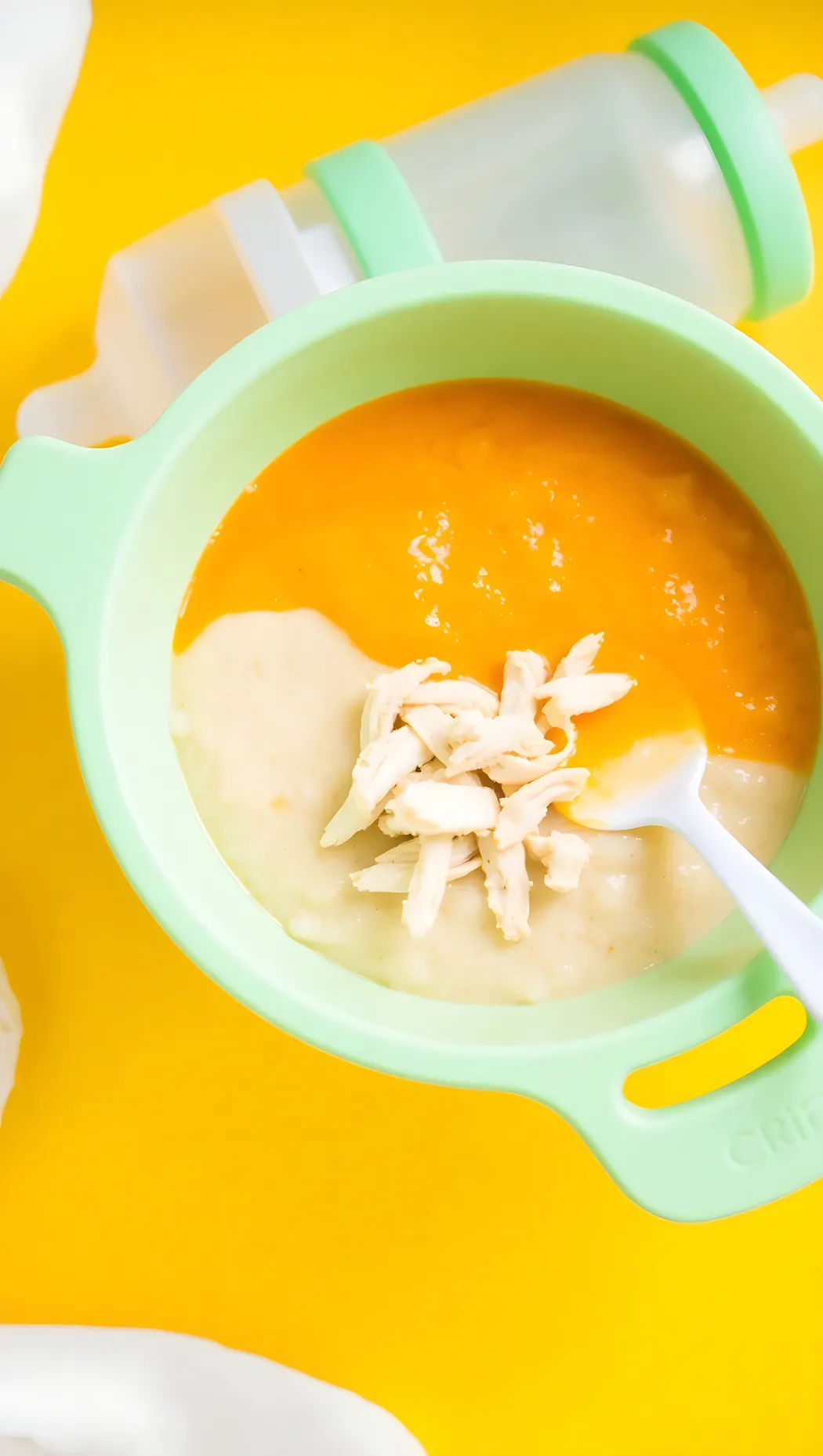
  • Chicken, Carrot, & Chickpea: Thoroughly cook skinless chicken breast and carrots. Blend them with cooked, low-sodium chickpeas and a splash of low-sodium vegetable broth. This provides a highly bioavailable source of iron, zinc, and protein.

Creative Mix Fruit Puree for Baby

Fruits are naturally appealing to babies because of their sweet taste. While it is important to emphasize vegetables to prevent a strong preference for only sweet foods, preparing a delicious mix fruit puree for baby is a wonderful way to provide essential vitamins and antioxidants.

To balance the natural sugars in fruit, try mixing them with creamy textures or healthy fats:

  • The Tropical Blend (Mango, Peach, & Coconut Milk): Puree ripe mango and peaches together with a tablespoon of unsweetened canned coconut milk. This creates a silky, exotic treat rich in Vitamin A and Vitamin C.
  • The Berry-Avocado Mash (Blueberry, Raspberry, & Avocado): Gently steam fresh berries to soften them and reduce acidity, then blend them with ripe avocado. The healthy fats in the avocado beautifully balance the tart berries.
  • The Orchard Blend (Apple, Pear, & Plum): Steam these classic autumn fruits together with a tiny pinch of nutmeg. Plums are excellent for relieving occasional infant constipation.

Complete Baby Food Combinations Chart

To help you easily plan your weekly meal prep, we have put together a comprehensive baby food combinations chart. This guide categorizes ingredients by their nutritional benefits and suggests tasty pairings.
Stage / AgeRecommended Combination

Primary Nutritional Benefit

Preparation Tip
Stage 1 (6+ Months)Avocado + BananaHealthy fats, potassium, and easy digestionMash and blend until smooth.
Stage 1 (6+ Months)Sweet Potato + PearBeta-carotene (vitamin A) and gentle fibreSteam sweet potato and pear together, then blend until smooth.
Stage 1 (6+ Months)Carrot + AppleVitamin A, vitamin C, and mild sweetnessPeel, steam, and blend with breast milk or water.
Stage 2 (7+ Months)Spinach + Green Pea + PearPlant-based iron, vitamin C, and folateSteam peas and pear, then add spinach at the end to wilt.
Stage 2 (7+ Months)Butternut Squash + ChickenProtein, iron, and zincEnsure the chicken is thoroughly cooked before blending.
Stage 2 (7+ Months)Oats + Blueberry + YoghurtCalcium, probiotics, and antioxidantsStir unsweetened, full-fat Greek yoghurt into cooked oatmeal and blueberry purée.
Stage 3 (9+ Months)Salmon + Sweet Potato + BroccoliOmega-3 fatty acids, fibre, and vitamin CFlake the cooked salmon carefully and c

Golden Rules for Safe and Healthy Puree Prep

When preparing homemade baby food, keeping the meals safe and nutrient-dense is key. Follow these clinical best practices:

1. Choose the Right Cooking Methods

Steaming and roasting are the best ways to cook fruits and vegetables for baby purees. Boiling can cause water-soluble vitamins (like Vitamin C and B vitamins) to leach out into the cooking water. If you do boil, save a small amount of the nutrient-rich cooking water to thin out the puree.

2. Prioritize Food Safety

  • Wash thoroughly: Always wash fruits, vegetables, and your hands thoroughly before preparation.
  • Avoid Honey: Never give honey to a baby under 12 months old due to the risk of infant botulism, a rare but serious bacterial food poisoning.
  • Limit Salt and Added Sugar: A baby’s kidneys are too immature to handle added salt. Skip the salt shaker and sugar bowl entirely. Use natural herbs and mild spices (like rosemary, dill, cumin, or cinnamon) to add flavour instead.

3. Store and Freeze Safely

Freshly prepared purees can be stored in airtight containers in the refrigerator for up to 48 hours. For longer storage, spoon the purees into clean silicone ice cube trays and freeze. Once frozen solid, transfer the food cubes into labelled freezer bags. Use frozen purees within 1 to 3 months. Thaw frozen purees overnight in the refrigerator, or warm them gently in a bowl placed over hot water. Always test the temperature on the inside of your wrist before feeding your baby.

FAQs

When can I start mixing different foods together for my baby?

You can start mixing foods as soon as your baby has successfully tried and tolerated each food individually for 3 to 5 days without any adverse reactions. Once individual foods are cleared, feel free to combine them!

How thin or thick should the baby puree combinations be?

For babies starting at 6 months, purees should be thin and perfectly smooth. You can use breast milk, formula, or water to thin the mixture. As your baby approaches 7 to 8 months, you can gradually transition to thicker, textured purees with small, soft lumps to help them practice chewing.

Can I use frozen or canned fruits and vegetables to make purees?

Yes! Frozen fruits and vegetables are excellent because they are frozen at peak ripeness, preserving their nutrient content. If using canned options, choose fruits packed in 100% juice or water (no added syrup) and vegetables labelled "no salt added."

How do I safely introduce common food allergens in purees?

Common allergens include peanut butter, tree nuts, eggs, dairy, soy, wheat, fish, and shellfish. Introduce these one at a time in very small amounts (such as a tiny smear of smooth peanut butter stirred into a tolerated fruit puree). Wait a few days to monitor for reactions before introducing another allergen.

Can I add spices to my baby's puree combinations?

Absolutely! While you must strictly avoid salt and sugar, introducing mild herbs and spices (like garlic powder, cumin, cinnamon, ginger, and parsley) starting around 6 to 7 months is highly beneficial. It expands your baby's palate and prepares them to enjoy the flavors of your family's regular meals.

Apollo 247 Floating Action Button