logo
0

Baby Shampoo: Expert Newborn Scalp & Hair Care Guide

Doctor-reviewed guide to choosing a safe, tear-free baby shampoo for newborn scalp and hair care, with usage tips and ingredients to avoid.

article image

Dr.Vasantha Sree

Choosing the right baby shampoo for your newborn is one of those small decisions that can feel surprisingly overwhelming. A newborn's skin and scalp are far more delicate than an adult's, absorbing ingredients more readily and reacting more easily to irritants. Using the wrong product in those first weeks can cause redness, dryness, or discomfort, so understanding what goes into a good tear-free baby shampoo matters before you reach for the bottle.

What Makes a Baby Shampoo Safe and Tear-Free?

The "tear-free" claim on a baby shampoo label is not just marketing. It means the formula has been designed to minimise irritation to the delicate mucous membranes around the eyes, either by using very mild surfactants or by matching the pH of the eye's natural surface.

A safe baby shampoo is also pH-balanced, typically formulated closer to the mildly acidic pH of a baby's skin (around 5.5) rather than the alkaline pH of many adult shampoos. This helps preserve the fragile skin barrier that newborns are still developing.

Safe Baby Shampoo Ingredients to Look For

When reading labels, these mild surfactants and preservatives are generally considered appropriate for infant use:

  • Cocamidopropyl betaine, a gentle foam-forming agent derived from coconut oil
  • Decyl glucoside, a plant-based surfactant with low irritation potential
  • Glycerin, which helps the scalp retain moisture
  • Sodium benzoate or potassium sorbate as preservatives, when present in small amounts

Ingredients to Avoid

  • Sulfates such as sodium lauryl sulfate (SLS) and sodium laureth sulfate (SLES), which strip natural oils and irritate sensitive skin
    Parabens (methylparaben, propylparaben), used as preservatives but linked to potential skin sensitisation.
  • Synthetic fragrances or parfum, a common trigger for allergic reactions on newborn skin
  • Formaldehyde-releasing preservatives such as DMDM hydantoin or quaternium-15
  • Phthalates and artificial dyes

If a product lists fragrance without specifying natural origin, or carries a long string of chemical preservatives, it is worth choosing something simpler.

When Can You Start Using Baby Shampoo on a Newborn?

You can use a mild baby shampoo from birth, but less is more in those early weeks. The vernix caseosa, the waxy coating present at birth, protects the skin and gradually absorbs on its own. Most paediatricians suggest a plain water rinse for the first few days before introducing any product.

After the first week or so, a gentle baby shampoo can be introduced as needed. There is no need to wash a newborn's hair every day. Because newborns produce very little sebum, once or twice a week is usually enough during the first month. Over-washing dries out the scalp and strips the limited natural oils present. As your baby becomes more active, you may increase frequency, but follow your pediatrician's guidance rather than washing by habit.

For broader newborn hygiene routines, including newborn hygiene and umbilical cord care basics, always use products specifically formulated for infants rather than adapting adult products.

How to Choose the Right Baby Shampoo?

The best shampoo for a newborn is often the one with the shortest, most recognisable ingredient list. Here is what to look for:

  • Dermatologist-tested or paediatrician-recommended on the label
  • Hypoallergenic formulation with no added fragrance\
  • Tear-free or "gentle formula" designation
  • Free from sulfates, parabens, dyes, and harsh preservatives
  • Mild surfactants such as those listed in the section above

Baby shampoo differs from adult shampoo in several meaningful ways. Adult shampoos are formulated for thicker, oilier scalps with higher cleansing power and often contain fragrance and conditioning chemicals far too harsh for a newborn. Even "gentle" adult shampoos should not be used on infants without checking with your doctor.

If your baby has eczema-prone or very dry skin, look for products labelled for sensitive skin and patch-test a small amount on the inner wrist before the first full wash.

Baby Shampoo for Cradle Cap and Sensitive Scalp

Cradle cap (seborrheic dermatitis of the scalp) is extremely common in the first few months of life. It appears as yellowish, scaly, or crusty patches and is not a sign of poor hygiene or allergy. It usually resolves on its own.

A mild shampoo for baby scalp conditions like cradle cap can help loosen flakes when used regularly. Gently massaging the scalp with a soft brush during washing also helps. Some parents apply a small amount of natural oil, such as coconut or almond oil, before washing to soften the scales. Avoid leaving oil on the scalp, however, as it can worsen buildup.

Do not pick or scrub the flakes forcefully. If the patches spread to the face, ears, or neck, appear inflamed or weepy, or do not improve after a few weeks of gentle care, consult your paediatrician. Self-treating with antifungal shampoos intended for adults is not appropriate for infants without medical advice.

Contraindications and Precautions

There are situations where using baby shampoo is not appropriate:

  • Broken, cracked, or infected skin on the scalp: wash with plain water and seek medical advice before resuming shampoo use
  • Known allergy to any listed ingredient: avoid the product entirely and consult your doctor
  • Open wounds near the scalp or fontanelle area: shampoo should not contact these sites
  • Premature infants: follow your neonatal team's specific guidance, as premature skin is even more permeable to chemicals
  • Severe eczema flares: pause all products and check with your dermatologist or paediatrician

If your baby develops redness, swelling, hives, or unusual crying after shampoo use, stop immediately, rinse thoroughly with plain water, and seek medical advice. Report adverse events to your healthcare provider or the relevant regulatory authority.

Step-by-Step: How to Wash Your Newborn's Hair Safly?

Learning how to wash newborn hair properly takes only a little practice. Follow these steps:

  1. Fill a small basin or use the bath with lukewarm water. Test the temperature on the inside of your wrist; it should feel warm, not hot.
  2. Support your baby's head securely. The classic "football hold," cradling the baby along your forearm with their head over the water, works well for early weeks.
  3. Wet the scalp gently using a cup or your free hand. Avoid pouring water directly over the face.
  4. Apply a pea-sized amount of baby shampoo to your fingertips and massage gently over the scalp in small circles.
  5. Rinse thoroughly, directing water away from the eyes. A damp washcloth over the forehead can help shield the face.
  6. Pat the scalp dry with a soft towel. Do not rub.
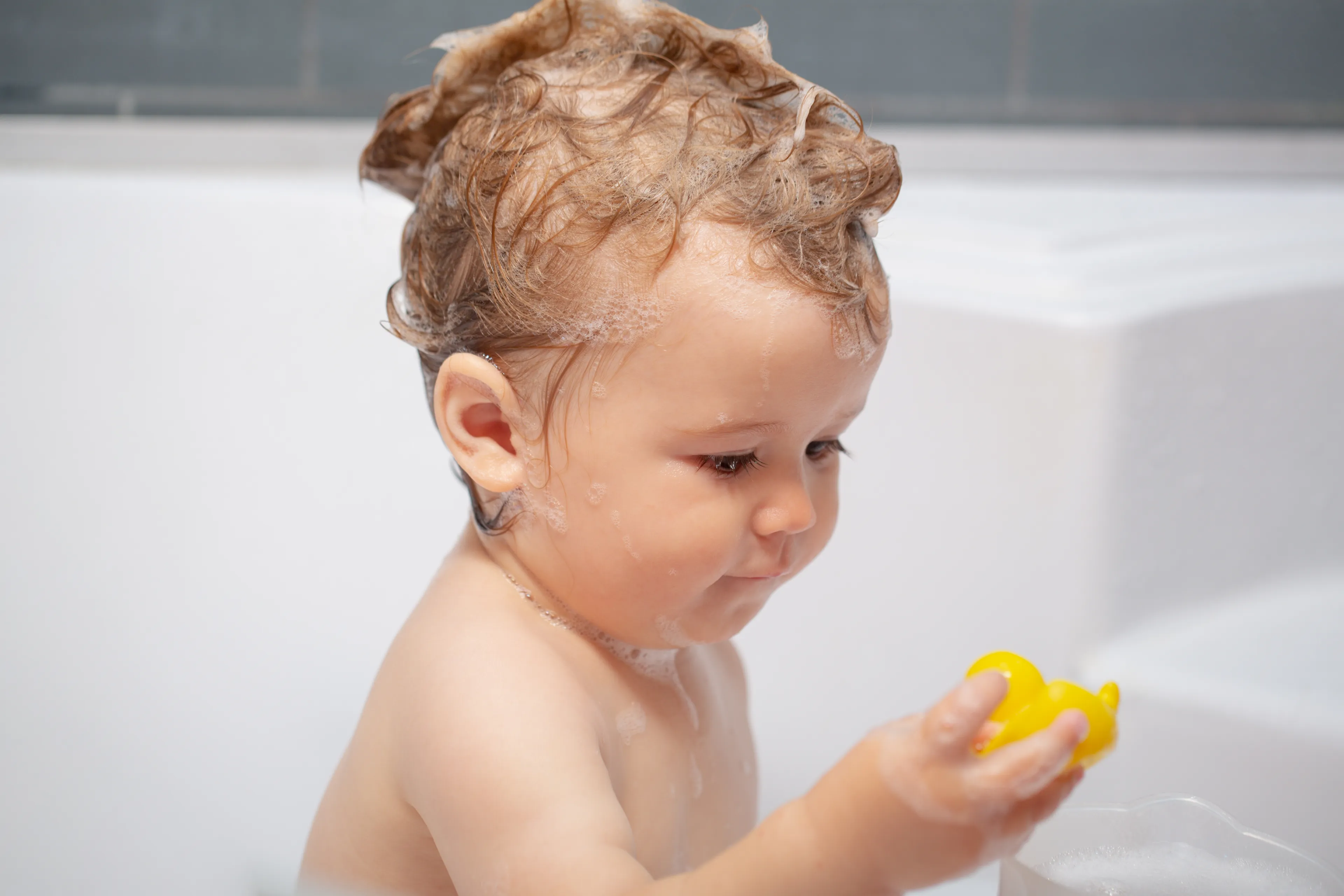
The entire process only needs to take a minute or two. Keeping it calm and consistent helps your baby associate bath time with comfort rather than stress.

Conclusion

Selecting the right baby shampoo for your newborn involves choosing a pH-balanced, tear-free formula free from sulfates, parabens, and synthetic fragrances to safeguard their delicate scalp barrier. Washing your baby's hair once or twice a week with a pea-sized amount of shampoo is sufficient to maintain hygiene without stripping natural oils. Gentle scalp massage during washing can effectively soften and manage common infant scalp conditions like cradle cap. If your newborn exhibits broken skin, inflamed weeping rashes, or sudden allergic reactions on the scalp, pause product use and consult a paediatrician promptly.

FAQS

Is baby shampoo safe for daily use?

For most newborns, daily washing is unnecessary and can dry out the scalp. Once or twice a week is sufficient in the first few months; increase frequency only as your baby's activity level and sebum production increase.

Can adults use baby shampoo?

Yes, adults with sensitive scalps or colour-treated hair sometimes use baby shampoo because of its mild formulation. It is safe but may not cleanse oily adult scalps as effectively as a product designed for adults.

What is the difference between baby shampoo and baby wash?

Baby shampoo is formulated primarily for the scalp and hair, while baby wash is designed for the body. Some products combine both functions, but dedicated shampoos typically address the scalp's specific needs better.

Can baby shampoo cause allergies?

Any product can trigger a reaction in a sensitive individual. Even a fragrance-free, hypoallergenic baby shampoo can cause contact dermatitis in some babies. Always patch-test a new product and stop use immediately if a reaction appears.

What age can babies switch to regular shampoo?

There is no fixed age, but many parents transition around two to three years old when the child's scalp matures and their hair becomes thicker. Follow your pediatrician's guidance based on your child's skin type and any existing conditions.

Apollo 247 Floating Action Button