logo
0

Baby Sleep Sack: Safety & Night time Routine Guide

Learn how to safely use a baby sleep sack during bottle feeds and nighttime routines, with sizing, comfort, and SIDS-safety tips from Apollo Pharmacy.

article image

Dr. Mayank

Few decisions feel as weighty as choosing how your newborn sleeps. A baby sleep sack has become a go-to choice for parents who want a safer alternative to loose blankets in the crib, and understanding how to use one correctly can make both bedtime and night time feeds feel a lot less stressful.

What Is a Baby Sleep Sack and Why Use One

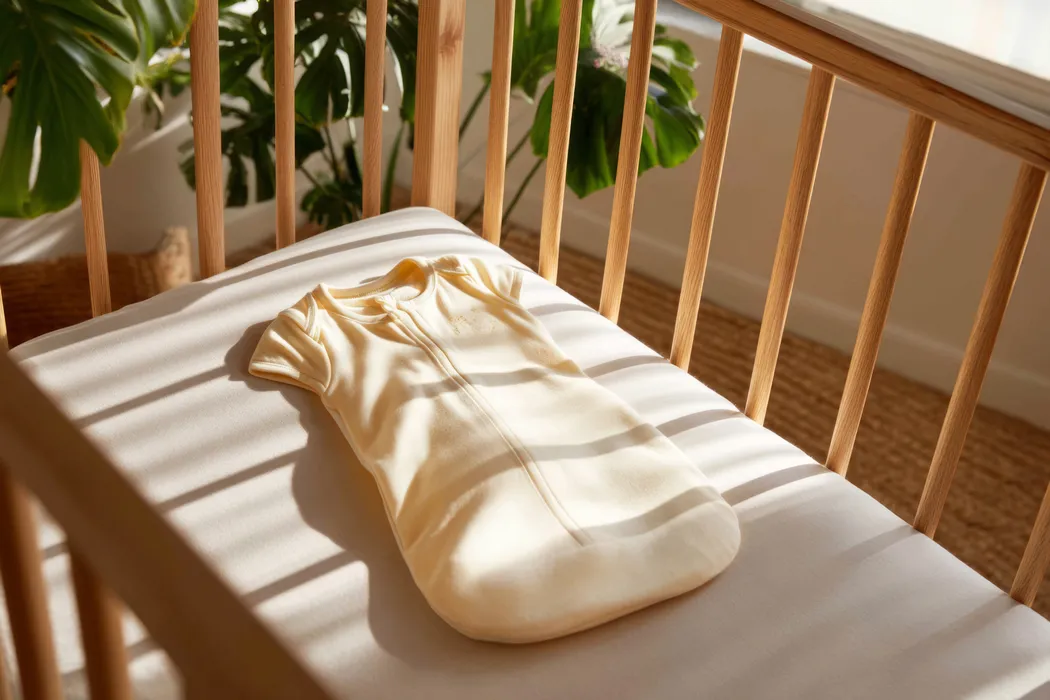
A baby sleep sack (also called a wearable blanket) is a zippered or buttoned garment that covers a baby's torso and legs while leaving the head and, depending on the design, the arms free. Unlike a traditional blanket, it cannot shift over the face during sleep.

This matters because loose bedding in a crib is a recognised risk factor for accidental suffocation and sudden infant death syndrome (SIDS). Safe sleep guidelines for infants consistently recommend a firm, flat sleep surface with no pillows, bumpers, or loose blankets. A fitted sleep sack stays on the baby's body, keeping warmth where it belongs without adding anything to the crib environment.

Key reasons parents choose sleep sacks

  • They stay put even when a baby rolls or wriggles.
  • There is nothing in the crib that could cover the face.
  • They signal "sleep time" through routine repetition, helping babies recognise bedtime cues over time.
  • They make night time nappy changes easier without fully waking the baby.

Using a Sleep Sack During Bottle Feeding

Babies can absolutely wear a sleep sack while bottle feeding. Many parents find it convenient to do the night feed with the sack already on, so the baby goes straight into the crib after settling. Here is what to keep in mind for a smooth sleep sack for bottle feeding experience.

Hold the baby in a semi-upright position, angled at roughly 45 degrees. The sack wraps loosely around the legs and lower body, so it does not restrict this posture at all. Most sleep sacks have armholes that leave the arms fully free, which means there is no interference with feeding cues like rooting or hand-to-mouth movement.

Burping is just as easy with a sack on. Sit the baby upright on your lap or hold them against your shoulder. The fabric is usually soft enough not to cause discomfort during those minutes of gentle patting.

If the room is warm or the feed is running long, check the back of the baby's neck. Damp skin or flushing suggest the baby may be getting too warm. A lower TOG sack (details below) is a simple fix for warmer nights. Never feed a baby flat on their back; keeping the head elevated reduces the risk of reflux and ear discomfort.

Building a Night time Routine with a Sleep Sack

Babies do not understand clocks, but they recognise sequences. A predictable order of events teaches the body to expect sleep, and the sleep sack can anchor that sequence as a reliable cue.

A simple routine many parents find effective:

  • Warm bath (optional but calming for many infants)
  • Gentle massage or lotion
  • Feed (breast or bottle), followed by a thorough burp
  • Nappy change
  • Zip into the sleep sack
  • Place baby in the crib awake but drowsy


Putting the sack on as the last step before the crib reinforces it as a sleep signal. Over time, many babies begin to settle more easily as soon as the sack goes on. Avoid placing the baby down immediately after a full feed without burping first; reflux is common in infants, and a good burp reduces the chance of discomfort waking them shortly after.

For broader guidance on caring for a newborn in those early weeks, including newborn care essentials beyond sleep routines, Apollo's resources can help you feel more prepared.

Safety Considerations and Contraindications


Baby sleep sack safety comes down to four practical checks every time you use one.

  • TOG Rating: TOG measures thermal resistance. A rating of 0.5 suits warm rooms above 24 degrees Celsius; 1.0 is appropriate for around 20 to 23 degrees Celsius; 2.5 is for cooler rooms below 20 degrees Celsius. Never layer a sack over heavy clothing in a warm room.
  • Fit: The neck opening should be snug enough that the baby cannot slip down inside, but not tight. Armholes should not be so loose that the arms can pull back inside during sleep.
  • Hip-Safe Cut: Choose a sack with a roomy lower section. Designs that taper too tightly at the legs can restrict the natural frog-leg position infants need for healthy hip development.
  • No Extra Layers: The sack replaces the blanket; it does not supplement it.

When Not to Use a Sleep Sack

  • Fever: Baby has a fever. A sack traps heat; dress in lighter clothing and monitor temperature closely.
  • Hip Dysplasia Device: Baby is using a Pavlik harness or similar hip dysplasia device.
  • Check with your orthopaedic team before using any sleep sack.
  • Damaged or Poorly Fitting Sack: The sack is visibly worn, has a broken zipper, or no longer fits correctly.

Signs of Overheating to Watch For

  • Sweaty or damp hair at the nape of the neck
  • Flushed or red skin
  • Rapid breathing
  • Feels hot to the touch on the chest or back

If you notice these signs, remove a layer, lower the room temperature, and check on the baby frequently. Report adverse events or unexpected reactions to your healthcare provider or the relevant regulatory authority.

Choosing the Right Size and Fabric

Most sleep sacks are sized by weight rather than age, because babies grow at very different rates. A general guide:

Weight RangeTypical Size Label
Up to 6 kgNewborn / Small
6 to 9 kgSmall / 3-6 months
9 to 13 kgMedium / 6-18 months
13 kg and above   Large / 18 months+

Always check the individual product's sizing chart. If the baby falls between sizes, size up so the neck opening remains safe and comfortable.

For fabric, the general rule is to match weight to the season. Lightweight cotton or muslin works well in warm weather and suits a low TOG. Thicker cotton or cotton-fleece blends are better for cooler months and carry a higher TOG. Avoid synthetic fabrics that trap moisture, and always wash new sacks before first use to remove manufacturing residues.

When to Consult a Paediatrician?

A sleep sack is a practical item, not a medical device, but there are situations where a paediatrician's input is worth seeking before or during use.

Talk to your doctor if:

  • Hip Dysplasia: Your baby has been diagnosed with hip dysplasia or is wearing a corrective harness.
  • Worsening Reflux: The baby shows signs of reflux that are worsening at night; positioning and sack type may need review.
  • Skin Rash or Irritation: You notice a skin rash or irritation after introducing a new sack fabric.
  • Overheating: The baby is consistently overheating despite choosing an appropriate TOG.
  • General Concerns: You have concerns about growth, feeding, or sleep patterns more broadly.


A quick call or visit gives you personalised guidance rather than general advice, which is always more useful when a specific concern is on your mind.

Conclusion

A baby sleep sack can provide a practical alternative to loose blankets while helping keep your baby comfortable during sleep and night-time feeds. Choosing the correct TOG rating, ensuring a secure fit, allowing healthy hip movement, and avoiding extra bedding are essential for safe use. Parents should also watch for signs of overheating and regularly check the sack for damage or poor fit. A consistent night-time routine can make bedtime more predictable, while babies with hip dysplasia, persistent reflux, skin irritation, or other concerns may benefit from paediatrician guidance.
FAQS

At what age can babies start using a sleep sack?

Most sleep sacks are designed for newborns from birth, provided the correct size is chosen so the neck opening is snug. Always check the product's minimum weight recommendation before use.

Can a sleep sack replace swaddling?

For young newborns who settle well with their arms wrapped, a traditional swaddle or a swaddle-style sack may be more soothing. Once a baby shows signs of rolling, swaddling with arms in should stop, and a standard sleep sack becomes the safer option.

Is it safe for babies to sleep in a sleep sack every night?

Yes, nightly use is safe and is actually what most paediatric sleep guidance encourages, because it removes the need for any loose bedding in the crib. Just check the fit and TOG rating regularly as the baby grows.

How do I wash and maintain a sleep sack?

Follow the care label, but most cotton sleep sacks can be machine-washed on a gentle cycle and tumble-dried on low. Check zippers and seams after each wash, and replace the sack if any part shows wear.

What TOG rating is best for summer vs winter?

A TOG of 0.5 suits warm summer rooms, while 2.5 is more appropriate for cool winter nights. A 1.0 TOG works well for the transitional seasons when room temperatures sit in the mid-range.

Apollo 247 Floating Action Button