logo
0

Baby Teething: Symptoms, Safe Remedies and Foods to Try

Learn about baby teething symptoms, safe remedies, soothing foods, teething toys, and practical tips to comfort your baby during teething.

article image

Dr.Mayank

Watching your baby fuss, drool, and chew on everything in sight can be both worrying and exhausting. Baby teeth are a normal part of development, but the teething phase catches many new parents off guard. Knowing what to expect,   which symptoms are actually linked to teething, and which remedies are genuinely safe can make this milestone far less stressful for everyone in the family.

Baby Teeth Eruption Timeline: What to Expect

Most babies cut their first tooth somewhere between 4 and 7 months, though a few perfectly healthy babies wait until close to their first birthday. The wide variation is normal and not a sign of any problem.

The general order of baby teeth eruption follows a fairly predictable pattern, but individual timing can vary by several months on either side.

Tooth TypeWhere Typical Age Range
Central incisors  Lower front    6 to 10 months
Central incisorsUpper front  8 to 12 months
Lateral incisors  Upper 9 to 13 months
Lateral incisors Lower  10 to 16 months
First molarsUpper and lower  13 to 19 months
Canines (cuspids)  Upper and lower 16 to 23 months
Second molarsUpper and lower23 to 31 months

 By around age 3, most children have a full set of 20 primary teeth. If your baby has no teeth at 18 months, a quick check with your pediatrician or pediatric dentist is worth scheduling, just to rule out anything unusual.

Common Teething Symptoms in Babies

Teething is genuinely uncomfortable. The pressure of a tooth pushing through tender gum tissue causes real irritation. Here are the signs that are reliably linked to teething:

  • Increased drooling, sometimes enough to soak through clothing
  • Swollen, red, or bruised-looking gum tissue where a tooth is about to erupt
  • Chewing and gnawing on fingers, toys, or rails of the cot
  • Irritability and fussiness, especially in the days just before a tooth breaks through
  • Mild temperature elevation (below 38 degrees C) and slightly disturbed sleep

Does Teething Cause Fever or Diarrhoea?

This is one of the most common questions parents ask, and the answer matters. A mild rise in gum temperature from local inflammation is common, but a true fever (38 degrees C or above) is not caused by teething. Similarly, loose stools are not a confirmed teething symptom.

If your baby has a high fever, diarrhoea, a rash, or is refusing feeds alongside teething, something else is going on and needs a doctor's attention. Attributing these symptoms to teething can delay diagnosis of an infection or other illness.

Safe Home Remedies for Teething Pain

The good news is that simple, non-medicated approaches work well for most babies.

  • Chilled teethers: Place a silicone teether in the refrigerator (not the freezer) for 20 to 30 minutes before giving it to your baby. The gentle cold numbs the gum tissue and the counter-pressure soothes inflammation. Check the teether for cracks before each use.
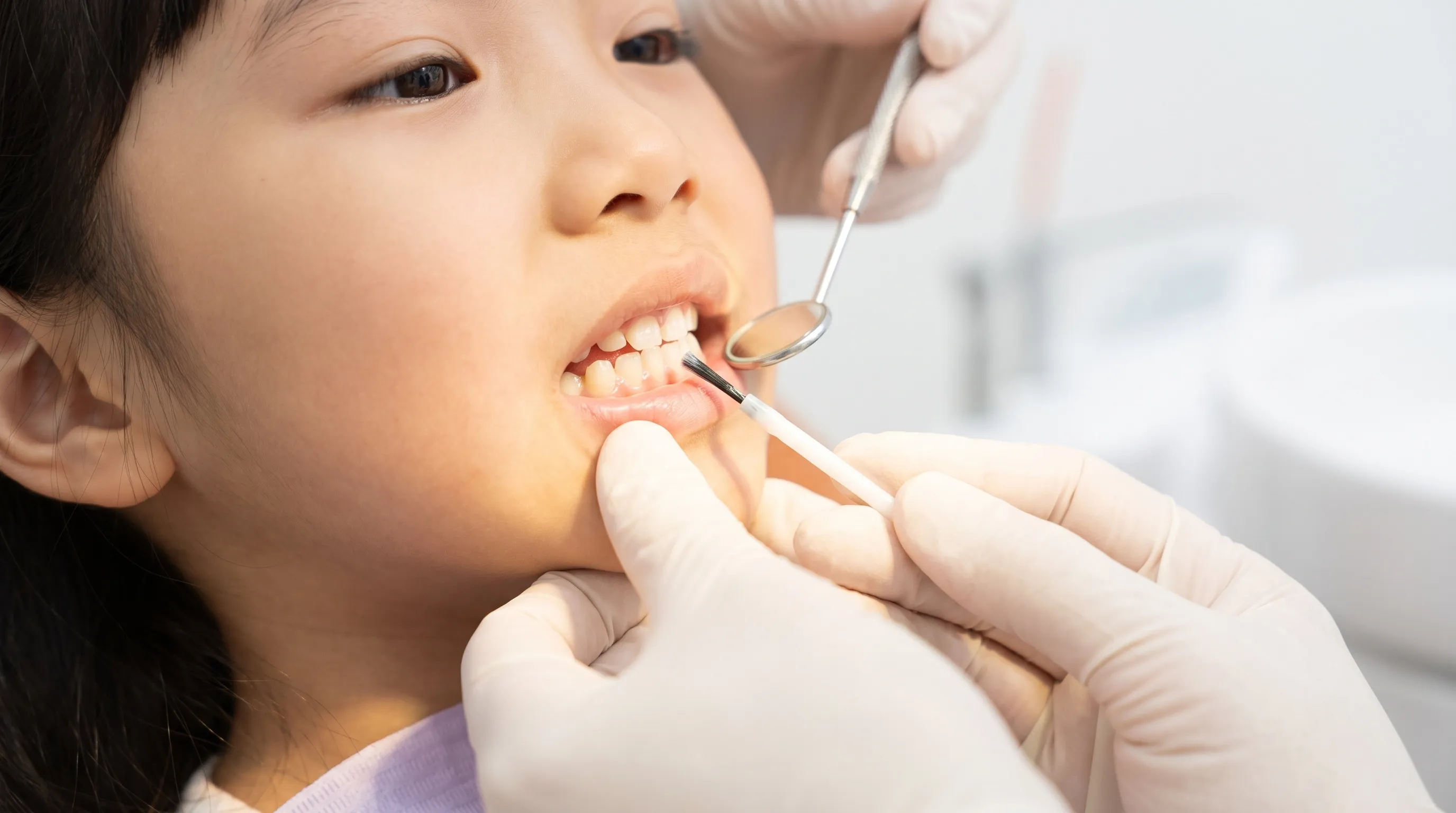
  • Gum massage: Wash your hands thoroughly, then use a clean finger to apply firm, gentle pressure to the sore gum for a minute or two. Many babies find this immediately calming.
  • Cold damp cloth: Dampen a clean muslin cloth, chill it briefly in the fridge, and let your baby chew on it. This is one of the most accessible teething remedies for babies, requiring nothing you don't already have at home.
  • Distraction: Extra cuddles, a warm bath, or a gentle activity can genuinely reduce a baby's perception of pain. It is not a trick; it works through the same pathways as any other comfort measure.

Are Teething Gels Safe for Babies?

Many over-the-counter teething gels contain local anaesthetics. These are not recommended for infants without a prescription and explicit medical advice. The numbing agent can affect the gag reflex and, in some products, carries risks of serious side effects.

Amber teething necklaces and similar jewellery should be avoided entirely. They present a real choking and strangulation hazard with no proven clinical benefit.

Report adverse events to your healthcare provider or the relevant regulatory authority.

Safe Foods for Teething Babies by Age

For babies who have started solids (usually from around 6 months), certain foods can double as teething relief and nutrition.

From 6 months:

  • Chilled fruit purees, such as apple or pear, served cool from the fridge
  • Cold cucumber sticks, thick enough to grip but supervised closely for any bite-off pieces
  • Cold banana pieces that are soft enough to dissolve in the mouth
  • Plain, chilled yoghurt, which is soothing and easy to swallow

From 8 months onward:

  • Teething biscuits or rusks specifically made for infants (check sugar content on the label)
  • Cold, soft-cooked and chilled carrot or sweet potato sticks, held firmly by the baby
  • Chilled watermelon strips

Foods for teething babies should always be large enough not to be swallowed whole and soft enough to dissolve or break down easily. Never leave a baby unsupervised with any solid food. Cold food is absolutely fine to offer as long as it is not frozen solid, which can damage sensitive gum tissue.

When to Consult a Doctor?

Most teething passes without any medical intervention. However, some signs mean you should call your pediatrician promptly rather than wait it out:

  • Fever of 38 degrees C or above
  • Persistent refusal to feed or significant weight loss
  • A rash, especially around the mouth, chest, or body
  • Prolonged crying that you cannot soothe within a reasonable time
  • Vomiting or diarrhoea
  • No teeth at all by 18 months

These symptoms suggest something beyond normal teething and deserve professional evaluation. Your baby's doctor is the right first call, not a remedy from a well-meaning relative or an internet forum.

For more guidance on caring for your newborn and infant during early months, see this newborn care essentials guide.

Contraindications and Precautions

This section is important. Some products marketed for teething are not safe for infants.

  • Benzocaine-containing gels are contraindicated in children under 2 years without a prescription. Benzocaine can cause methaemoglobinaemia, a condition that reduces the blood's ability to carry oxygen.
  • Homeopathic teething tablets containing belladonna must be avoided. Belladonna is a toxic plant, and products with inconsistent belladonna levels have been associated with serious adverse events in infants internationally.
  • Frozen teethers or ice cubes applied directly to gums can cause tissue injury.
  • Alcohol-based remedies rubbed on gums are not safe for infants.
  • Jewellery marketed as teething aids (amber, silicone, or wood bead necklaces) are a choking and strangulation hazard and should never be used.

Always ask your pediatrician before giving your baby any medicated product, including topical gels, tablets, or drops marketed for teething. Do not use any of the above without a prescription from a qualified medical professional.

Conclusion

Baby teething  is a normal stage of development that can cause sore or tender gums, increased drooling, chewing, irritability, and changes in feeding or sleep. Gentle measures such as chilled teething rings, clean finger gum massage, and age-appropriate soft foods may help soothe discomfort. Foods should be prepared safely and offered according to the baby's developmental stage to reduce choking risks. Teething should not usually cause significant fever, persistent diarrhoea, or severe illness, so these symptoms may require medical evaluation rather than being attributed to teething alone. If your baby has severe or persistent symptoms, difficulty feeding, or other concerns, consult a paediatrician for appropriate advice.

FAQ

At what age do babies get their first tooth?

Most babies cut their first tooth between 6 and 10 months, though anywhere from 4 months to just past 12 months is considered within the normal range. If your baby has no teeth by 18 months, speak to a pediatrician or pediatric dentist.

How long does teething pain last?

Each tooth typically causes discomfort for a few days before and a day or two after it breaks through the gum. Since teeth erupt in batches over roughly two years, your baby may have on-and-off fussy periods across that time rather than one long stretch of pain.

Can I give paracetamol for teething pain?

Infant paracetamol can be used for teething discomfort, but only at the correct dose for your baby's weight and age, and only if your pediatrician has said it is appropriate. Do not give aspirin to children.

Is it normal for teething babies to have loose stools?

Loose stools during teething are common in babies but are not confirmed to be directly caused by the teething process itself. If diarrhoea is frequent, watery, or accompanied by fever or vomiting, see a doctor to rule out infection.

How do I clean my baby's first teeth?

As soon as the first tooth appears, wipe it gently twice a day using a clean, damp muslin cloth or a small soft-bristled baby toothbrush with no toothpaste until your dentist advises otherwise. Starting early builds a healthy habit and protects those first baby teeth from decay.

Apollo 247 Floating Action Button