logo
0

Can I Use Wipes for Newborn? Safe Skin Care Tips

Can I use wipes for newborn skin? Learn when it's safe, how to pick gentle wipes, and diaper care tips for sensitive newborn skin.

article image

Dr.Rohini priyanaka

Bringing a newborn home comes with a flood of questions, and one of the most common is: can I use wipes for newborn babies right from the start? The answer matters because your baby's skin in the first weeks is genuinely different from older infant skin, and the wrong product can cause more harm than help.

Can You Use Wipes on a Newborn?

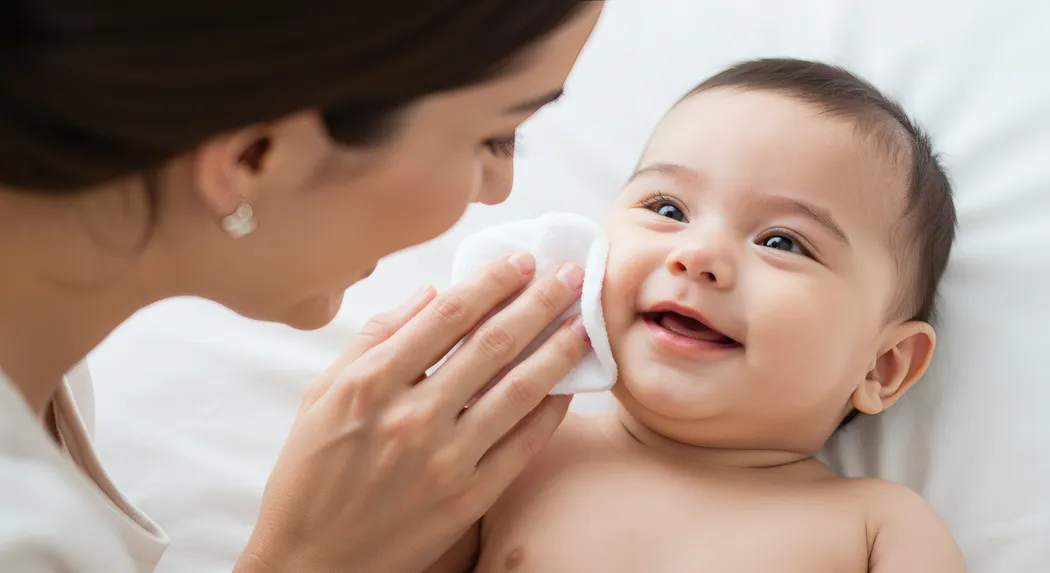
Yes, you can, but with an important caveat for the earliest weeks. Many pediatricians recommend using plain warm water and soft cotton pads or muslin cloths during the first two to four weeks of life. Newborn skin is still adjusting to the outside world and can react to added ingredients.

After those first few weeks, most babies tolerate gentle wipes for sensitive skin well, provided you choose the right type. If you prefer to use wipes from day one, opt for fragrance-free, alcohol-free options with minimal ingredients and test on a small patch of skin first.

Why Newborn Skin Needs Extra Care?

A newborn's skin barrier is thinner and less mature than an adult's. That means:

  • Substances applied to the surface are absorbed more readily.
  • The skin loses moisture faster, making it prone to dryness and cracking.
  • Even mild irritants, like fragrance or preservatives, can trigger redness or a rash.

Newborns are also born with a protective waxy coating called vernix, which naturally moisturises the skin for the first few days. Wiping it away too aggressively disrupts this early protection, so keeping wipe-use minimal in the first month supports the skin barrier while it matures.

How to Choose Safe Wipes for Sensitive Skin?

When you are ready to introduce baby wipes for newborn skin, the ingredient list matters more than the brand name. Look for:

  • Fragrance-free formulas, since even "natural" scents like lavender can irritate reactive skin.
  • Alcohol-free wipes, as alcohol strips moisture and stings any broken skin.
  • A pH-balanced formula, ideally around 5.5, to match healthy newborn skin and support the barrier.
  • Hypoallergenic-tested products with evidence of dermatological or pediatric testing on the packaging.
  • Chemical-free baby wipes where possible, shorter ingredient lists mean fewer chances of a reaction.

Some parents find water wipes (made almost entirely of water with a minimal preservative) a useful middle ground between cotton pads and regular wipes.

Ingredients to avoid: parabens, methylisothiazolinone (MIT), formaldehyde-releasing preservatives, artificial dyes, and anything listed as "parfum" or "fragrance."

How to Clean Newborn Diaper Area Safely?

Knowing how to clean the newborn diaper area correctly makes a bigger difference than any product alone. At each change, wipe front to back to avoid spreading bacteria. Use a single wipe per pass rather than scrubbing back and forth. Pat the skin dry rather than rubbing, and allow a moment of air time before fastening a fresh diaper. This routine, kept consistent, does more for newborn diaper rash prevention than any single product on the market.

Contraindications and When to Avoid Wipes

There are situations where wipes should be skipped entirely:

  • Broken or cracked skin can be further irritated by wipe ingredients. For background on handling minor skin breaks, see general wound and skin care basics.
  • Active diaper rash with red, raw, or weeping skin calls for warm water and a soft cloth until healing begins.
  • The umbilical cord stump area needs to stay dry with minimal interference. Read how to care for a newborn's umbilical cord stump before applying any product near it.
  • If your pediatrician has flagged a skin condition or known allergy, follow their specific guidance.

Signs of Irritation and When to Consult a Doctor

Watch for these signs after introducing any new wipe:

  • Redness or pinkness appearing within minutes of wiping.
  • Small bumps, hives, or a rash that spreads beyond the diaper area.
  • Persistent crying or pulling away during changes.
  • Fever alongside a rash, which needs prompt medical attention.

If you notice a reaction, stop using the wipe immediately and rinse the area gently with plain water. A mild barrier cream may help while the skin recovers, but any product used on a newborn should be chosen with your pediatrician's input. Do not self-prescribe medicated creams for newborns.

Report adverse events to your healthcare provider or the relevant regulatory authority.

Prescribing information disclaimer: Any topical product used on newborn skin should be used as directed by a qualified healthcare professional. This article does not constitute a prescription or a recommendation of any specific product.

Conclusion

Newborn wipes can be convenient, but gentle cleaning with warm water and a soft cotton pad or cloth is often a simple option during the earliest weeks. If you choose to use wipes, fragrance-free, alcohol-free products with a short ingredient list may be more suitable for delicate newborn skin. Regardless of the product, gentle wiping, prompt nappy changes, careful drying, and avoiding unnecessary friction can help reduce irritation and support the skin barrier.

If your baby develops redness, bumps, swelling, persistent discomfort, or a worsening rash after using a new wipe, stop the product and gently rinse the area with water. Broken, weeping, or severely irritated skin may need a different approach, and newborns with persistent rashes or fever should be assessed by a paediatrician. Avoid medicated creams or other topical products without professional guidance, particularly during the first weeks of life.

Medical Disclaimer

This article is for general informational purposes only and does not replace professional medical advice, diagnosis, or treatment. Always consult a qualified pediatrician or healthcare provider before introducing new products to your newborn's skin care routine or if you have concerns about your baby's health.

FAQS

Can I use wipes for newborn from day one?

You can, but cotton pads and warm water are generally preferred for the first two to four weeks while the skin barrier matures. If you use wipes from birth, choose fragrance-free, alcohol-free options with the fewest ingredients possible.

Are water wipes better than regular wipes for newborns?

For very young or reactive skin, water wipes carry fewer potential irritants, making them a safer starting point. Once your baby's skin has settled, most gentle, pH-balanced wipes work well too.
How often should I change a newborn's diaper?

Newborns typically need eight to twelve diaper changes in a 24-hour period. Changing promptly after each soiled diaper reduces moisture exposure and supports newborn diaper rash prevention.

Can baby wipes cause diaper rash?

Yes, certain ingredients, particularly fragrance, alcohol, and some preservatives, can trigger or worsen a rash. If a rash appears after introducing a new wipe, stop using it and consult your paediatrician.

What can I use instead of wipes for a newborn?

Soft cotton pads, muslin cloths, or clean flannel squares dampened with warm water are excellent alternatives and carry zero ingredient risk.

Apollo 247 Floating Action Button