logo
0

Can I Use Wipes for Newborn? A Safety Guide for Parents

Can you use wipes for a newborn? Learn when baby wipes are suitable, which ingredients to look for, when plain water is better, and how to protect sensitive skin.

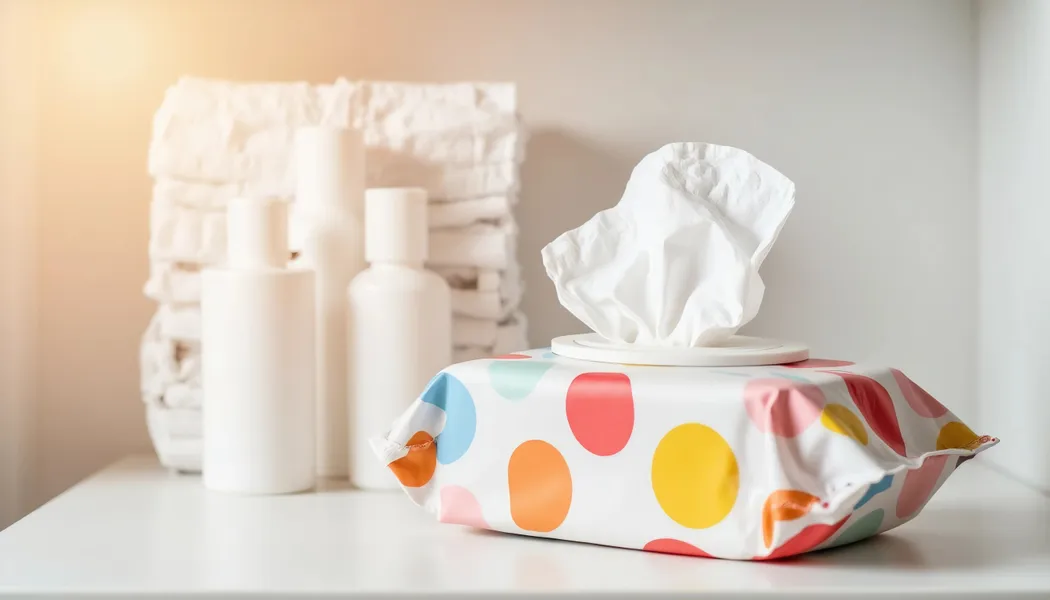
article image

Dr. Kamran

Bringing a newborn home comes with hundreds of small decisions, and one of the earliest is whether you can use wipes for newborn care from day one. It sounds straightforward, but a newborn's skin is genuinely different from an older baby's, and the wrong product at the wrong time can cause real discomfort. This guide covers what pediatricians generally advise, when to start using baby wipes, what to look for on a label, and when plain water is the smarter choice.

Can You Use Wipes on a Newborn's Skin?

Yes, with caveats. Most full-term, healthy newborns can tolerate gentle, purpose-made baby wipes from the early weeks of life. For routine newborn care, plain water and a soft cloth or cotton pad are simple options, particularly when the skin is irritated or when cleaning around the umbilical area. Fragrance-free baby wipes can also be used when appropriate; the American Academy of Pediatrics recommends fragrance-free wipes or plain water for diaper-area cleaning.

Knowing when to start using baby wipes matters because introducing products too early, or choosing the wrong formulation, can disrupt the skin's fragile protective layer. If you choose wipes early on, pick products specifically formulated for newborn sensitive skin, read every ingredient, and do a small patch test first. When in doubt, ask your child's pediatrician before introducing anything new.

Why Newborn Skin Is Different and More Sensitive

Newborn skin differs from adult skin in its barrier function and continues to mature during early infancy. Because of these differences, gentle skin-care practices and products are recommended during the first months of life. A newborn's skin also undergoes changes in acidity after birth as the skin barrier matures. This gradual development is one reason gentle, fragrance-free skin-care products are generally preferred for infants.

Because of this immaturity, even ingredients that are harmless on adult skin can trigger redness or a reaction on newborn sensitive skin. Those early weeks call for careful product choices and gentle handling.

What to Look for in Wipes for Newborns

Choosing the best wipes for newborn skin is mostly about what is left out rather than what is added.

Ingredients to Prioritise

  • Fragrance-free formulas: Fragrances can irritate sensitive skin, so fragrance-free products are generally preferred for babies, particularly those with sensitive or eczema-prone skin.
  • Alcohol-Free: Avoids alcohol ingredients that may be drying or irritating to sensitive newborn skin.
  • pH-Balanced: Choose wipes formulated to be gentle on baby's skin; avoid relying on a specific pH range unless stated by the manufacturer.
  • Hypoallergenic & Dermatologically Tested: These claims may indicate testing for skin tolerance, but they do not guarantee that every baby will avoid irritation.
  • Simple Ingredients: A shorter ingredient list can make it easier to identify potential irritants if your baby develops a reaction.

Ingredients to Avoid

  • Certain isothiazolinone preservatives: Ingredients such as methylisothiazolinone (MI) and methylchloroisothiazolinone (MCI) can cause allergic contact dermatitis, including reactions associated with wet wipes.
  • Parabens: Consider choosing paraben-free wipes if your baby's skin is particularly sensitive.
  • Synthetic Fragrances: Fragrances may irritate sensitive skin, so fragrance-free wipes are generally preferable for newborns.
  • Harsh Surfactants: Avoid formulations containing surfactants that may be irritating to delicate infant skin.

Water-based wipes with a short ingredient list may be a suitable option for babies with sensitive skin. However, “chemical-free” is not a meaningful safety category because everything in a wipe is made of chemicals. Check the ingredient list and choose fragrance-free products designed for infant skin. These are widely available and tend to suit even the most reactive skin.

When Water and Cotton Are Better Than Wipes

For the first few weeks, warm water and a soft cotton pad or muslin cloth remain the safest option in several situations.

Around the umbilical cord stump, the area should stay clean and dry rather than wet with a wipe. Read more about how to care for a newborn's umbilical stump to prevent moisture-related complications. Over broken or cracked skin, even a gentle wipe can sting and introduce irritants; guidance on treating minor skin cuts or wounds applies here too.

Other situations where water and cotton are preferable:

  • During an active nappy rash flare, when skin needs to recover without added chemical exposure.
  • For premature babies, whose skin barrier is particularly vulnerable, follow the skin-care and cleansing recommendations provided by your NICU or pediatric team.
  • Any time your baby shows visible irritation in areas where wipes have been used.

How to Safely Use Wipes on Newborn Skin

A few simple habits keep baby wipes safety on track once you start using them.

  1. Patch test first. Wipe a small area on the inner arm or thigh and wait 24 hours before using the product more widely.
  2. Wipe front to back during nappy changes to prevent bacteria from reaching the urinary tract, especially in girls.
  3. Use enough wipes to gently clean the area without repeatedly rubbing the skin. Avoid vigorous or excessive wiping, particularly if the skin is already irritated.
  4. Let the skin air for a moment before applying any cream or closing the nappy.
  5. Store wipes sealed and away from heat and direct sunlight; dried-out or overheated wipes can cause irritation.
  6. Check the expiry date and follow the manufacturer's storage instructions. Do not use wipes that have dried out, changed in appearance or smell, or have been stored improperly.

Signs of Wipe-Related Irritation or Allergy

Watch for these signs after introducing a new product as part of your newborn skin care routine:

  • Redness or pinkness that appears specifically in the areas where the wipe was used.
  • A raised, blotchy rash or hives.
  • Dry, flaking, or peeling skin in wiped areas.
  • Unusual fussiness or your baby pulling away during changes.

If you notice any of these, stop using the product and switch to water and cotton. Report adverse events to your healthcare provider or the relevant regulatory authority. If the rash worsens, blisters, spreads, or your baby develops a fever, seek medical attention promptly.

Contraindications and When to Avoid Wipes

Certain situations call for avoiding baby wipes entirely until a healthcare provider advises otherwise:

  • Premature infants, particularly those still receiving neonatal intensive care.
  • Newborns with known skin conditions such as severe eczema or epidermolysis bullosa.
  • Any area with broken, blistered, or actively infected skin.
  • Infants with a documented allergy or sensitivity to preservatives, fragrances, or other common wipe ingredients.
  • During an active, worsening nappy rash that has not responded to standard care.
  • Infants whose close family members have a strong history of contact allergies; extra caution and thorough patch testing are warranted.

When your baby's skin is irritated or particularly sensitive, plain water and a soft cloth can be a simple alternative to wipes.

Conclusion

Baby wipes can be convenient for newborn care when you choose a product specifically formulated for infants and use it gently. Fragrance-free wipes with a simple ingredient list may be suitable for healthy full-term babies, while plain water and a soft cloth can be a useful alternative when the skin is sensitive or irritated. Take extra care with premature babies or newborns with existing skin conditions, and follow your pediatrician's advice when needed. If your baby develops persistent redness, swelling, blistering, or other signs of irritation after using a wipe, stop the product and seek medical advice.

FAQS

Can I use wipes for newborn from day one?

Healthy full-term newborns can generally use appropriately formulated baby wipes, but plain water and a soft cloth are also simple options, particularly if the baby's skin is sensitive or irritated. Choose fragrance-free wipes designed for babies and stop using them if they cause redness or discomfort.

Are water wipes better than regular baby wipes?

For newborns, water-based wipes with very few added ingredients are generally the gentler choice because they reduce chemical exposure on immature skin. Regular baby wipes that are fragrance-free and pH-balanced can also be suitable; the key is reading the label carefully.

Can baby wipes cause diaper rash?

Yes, in some cases. Wipes containing fragrances, preservatives, or alcohol can irritate baby skin and trigger or worsen nappy rash. Switching to a simpler, fragrance-free wipe or using water and cotton often helps the skin recover.

How often should I change my newborn's wipes brand if irritation occurs?

Stop the current brand as soon as you notice irritation and switch to water and cotton until the skin settles, usually within a few days. If you then try a new product, introduce it one change at a time and watch closely for 24 to 48 hours before relying on it fully.

Do I need a doctor's advice before using wipes on newborn skin?

You do not need a prescription, but a quick check with your pediatrician is worthwhile if your baby has premature or sensitive skin, a family history of eczema or allergies, or any visible skin condition. A healthcare professional can recommend appropriate products for your baby's specific needs.

Apollo 247 Floating Action Button