logo
0

Can I Use Wipes for My Newborn? A Guide to Safe Skin Care

Learn whether baby wipes are safe for newborns, how to choose gentle wipes, when to use water instead, and how to prevent skin irritation and diaper rash.

article image

Dr.Kamran

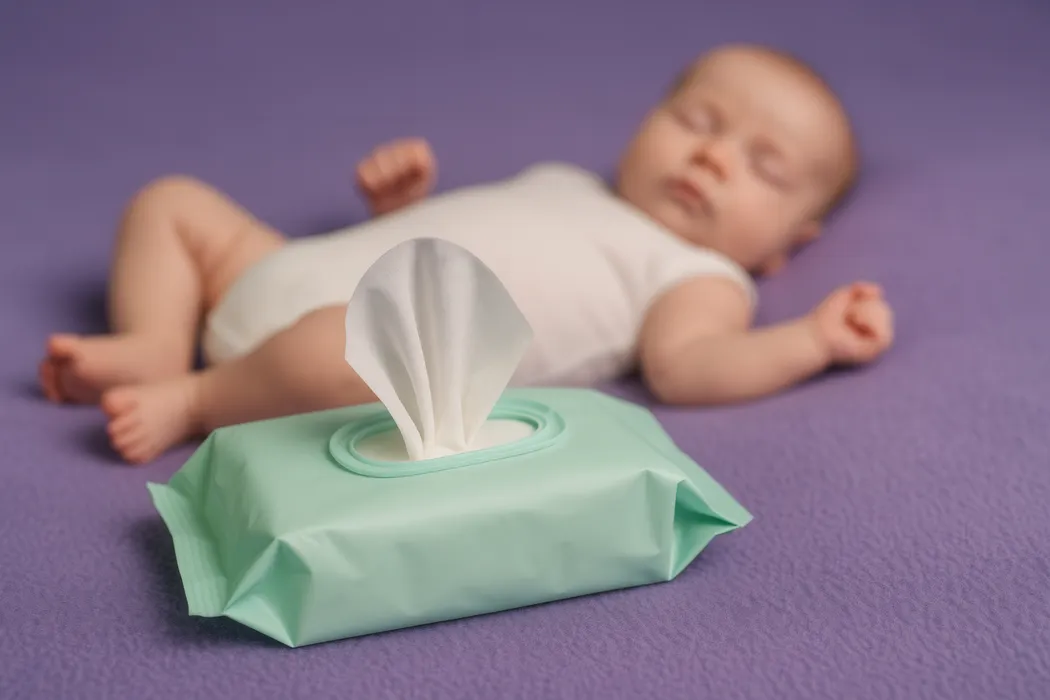
One of the first questions new parents face is: can I use wipes for my newborn, or is plain water the safer choice? It matters more than it might seem, because a newborn's skin absorbs substances easily and can react to even mildly irritating ingredients within hours. This guide gives you a clear answer, practical label-reading tips, and the hygiene habits that keep newborn skin healthy.

Can You Use Wipes on a Newborn's Skin?

Yes, you can use baby wipes on a newborn, but formulation matters. Choose wipes that are fragrance-free, alcohol-free, and pH-balanced. In the first few days of life, plain warm water and soft cotton wool are the gentlest option while the skin is still adjusting. After the first week or two, a well-formulated wipe used at each nappy change is considered safe by most paediatric dermatologists.

<Explore Baby Wipes Here>

Why Newborn Skin Needs Special Care
 

A newborn's outer skin layer is thinner and still maturing. It absorbs substances more readily and loses moisture faster than adult skin. Many babies are born with a coating called vernix caseosa, a waxy, protective layer with natural antimicrobial properties. It is best left in place rather than wiped away in the first day or two.

Because the skin barrier is still developing, ingredients such as fragrances, alcohol, or certain preservatives can trigger redness or dryness quickly. This is why the product you reach for cannot simply be "any baby wipe" from the shelf.

How to Choose the Right Wipes for Sensitive Newborn Skin

When reading a label, look for these qualities:

  • Fragrance-free: Even "natural" fragrances can irritate sensitive skin baby wipes that are otherwise gentle.
  • Alcohol-free: Alcohol is drying and disrupts the skin's protective barrier.
  • pH-balanced: Healthy baby skin has a slightly acidic pH; a wipe matched to this causes less disruption.
  • Hypoallergenic and dermatologically tested: These terms show the product has been assessed for common allergens, though they are not a guarantee.
  • Short ingredient list: Fewer additives generally means a lower risk of a reaction.

The best wipes for newborn skin are often labelled specifically for newborns or sensitive skin. Fragrance-free wipes for babies are widely available and are a sensible default for the first three months.

If you are unsure about a new product, do a patch test: wipe a small area of your baby's forearm and wait 24 hours before using it across the whole nappy area.

When to Avoid Wipes and Use Water Instead

There are specific situations where plain water and cotton wool are the better choice:

  • The first two to three days of life. The skin is at its most permeable, and water is the safest default.
  • Around the umbilical cord stump. Keep this area clean and dry using water only. See our detailed guide on how to care for the umbilical cord stump for step-by-step advice.
  • During a diaper rash flare-up. Even gentle wipes can sting broken or inflamed skin. Rinse with warm water at each change until the rash clears.
  • If your baby has a known skin condition such as eczema. Ask your paediatrician before using any wipe product.

Contraindications and Skin Reactions to Watch For

Certain babies should not use standard baby wipes without medical guidance, including those with known contact allergies, very preterm infants with extremely fragile skin, or babies with active skin infections. Always check with your doctor if you are unsure.

Stop using a wipe product immediately if you notice any of the following:

  • Redness or a rash that appears within hours of use
  • Small raised bumps, hives, or swelling
  • Persistent crying during or after a nappy change, suggesting discomfort
  • Dry, flaky patches where the wipe was applied
  • Any open skin or weeping sores

These signs can indicate contact dermatitis or an allergic reaction. Mild redness that fades within an hour is usually not a concern, but a spreading or worsening rash needs prompt attention. For minor skin breaks, see our guidance on treating minor skin cuts or irritation for safe first-aid steps.

Report adverse events to your healthcare provider or the relevant regulatory authority. If you suspect a product has caused a serious reaction, stop use immediately and seek medical advice.

Best Practices for Newborn Hygiene Beyond Wipes

Good newborn skin care tips go well beyond choosing the right wipe.

  • Bathing frequency: A full bath two to three times a week is enough for most newborns. Daily bathing can strip natural skin oils. Use lukewarm water and a mild, soap-free wash. Sponge baths are preferred until the umbilical cord stump falls off naturally.
  • Nappy changes: Change nappies frequently, every two to three hours or sooner if soiled. Limiting how long skin stays in contact with urine and stool is one of the most effective newborn hygiene tips for preventing diaper rash.
  • Drying technique: Pat, never rub, the skin dry after cleaning. Pay attention to skin folds on the thighs, neck, and wrists where moisture can collect.
  • Moisturising: If the skin looks dry, a small amount of fragrance-free baby moisturiser applied after bathing can help restore the barrier. Avoid talcum powder, which can irritate a baby's lungs if inhaled.

Knowing how to clean newborn skin gently and consistently is as important as any product you choose.

Conclusion

Baby wipes can be used on newborns when they are gentle, fragrance-free, alcohol-free, and suitable for sensitive skin. Plain warm water and soft cotton wool may be preferable during the first few days, around the umbilical cord stump, or when the diaper area is irritated. Parents should avoid rubbing and monitor for redness, dryness, bumps, swelling, or worsening rash after introducing a new product. If a newborn has very sensitive skin, eczema, or persistent skin irritation, consult a paediatrician for personalised guidance.

FAQS

Can I use wipes on my newborn's face?

Damp cotton wool or a soft cloth with plain water is the safest choice for the face, especially near the eyes and mouth. If you do use a wipe, choose one designed for sensitive newborn skin and keep it away from the eye area.

Are water wipes better than regular wipes for newborns?

Wipes made primarily with water and a minimal preservative can be gentler, but any well-formulated fragrance-free, alcohol-free wipe is a reasonable option. Check the ingredient list rather than relying on marketing claims alone.

Can newborn wipes cause diaper rash?

Wipes themselves are rarely the direct cause, but fragrances, preservatives, or friction from rough wiping can irritate already sensitive skin. If a rash appears, switch to water and cotton wool until the skin heals, then reintroduce a simpler wipe.
How soon after birth can I use baby wipes?

Most guidelines suggest waiting until at least the third or fourth day of life, when the skin's initial adjustment period has passed. For the first two to three days, plain warm water and soft cotton wool are preferable.

Do I need to use wipes and water together?

Not routinely. A good-quality fragrance-free wipe is designed to clean effectively on its own. Water is helpful during rash flare-ups or around sensitive areas like the cord stump, but using both at every change is not necessary.

Apollo 247 Floating Action Button