logo
0

Baby Wipes: Types, Safety & Newborn Diapering Guide

Learn about baby wipe types, newborn-safe ingredients, safety considerations, proper wiping techniques, and best practices for preventing diaper rash.

article image

Dr. Mayank

Choosing the right baby wipes matters more than most new parents expect. A newborn's skin is thinner, more permeable, and far more reactive than adult skin, which means the ingredients in every wipe used during diaper changes can directly affect your baby's comfort and health. This guide breaks down the different types of baby wipes, explains the water wipes vs baby wipes debate in plain terms, and gives you practical, safe diapering steps from day one.

What Are Baby Wipes and How Do They Differ from Water Wipes?

Baby wipes are pre-moistened cloths designed to clean a baby's skin during diaper changes. Standard wet wipes contain a water base mixed with added ingredients such as mild preservatives, emollients, thickeners, and sometimes fragrance. These additives help extend shelf life or add softness, but they also introduce more potential irritants.

Water wipes, by contrast, are made with water as the overwhelming ingredient (typically 99 percent or more) and contain little else, sometimes just a trace of a plant-derived preservative. The key difference when comparing water wipes vs baby wipes is this ingredient simplicity. Water wipes carry a much shorter ingredient list, which can benefit very sensitive or newborn skin, though they may be less effective at breaking down heavier soiling without some emollient action.

Types of Baby Wipes Compared

TypeMain IngredientsPros Cons
Standard wet wipesWater, preservatives, emollients, fragranceWidely available, affordable, effective cleaningMore additives; fragrance can irritate newborn skin
Water wipes99%+ water, minimal preservativeVery gentle, short ingredient listLess effective on heavy soiling; dry out quickly once opened
Sensitive-skin wipesWater, fragrance-free emollients, gentle preservativesBalanced cleaning without fragranceCost more than standard wipes
Biodegradable wipesPlant-based fibres, natural ingredientsEco-friendly, often free of synthetic additivesVariable durability; "flushable" claims may not match local standards

Most parents find sensitive-skin or unscented baby wipes work well for everyday use. Water wipes are a reasonable choice in the first few weeks when skin is at its most delicate.

How to Choose Safe Wipes for Newborn Skin?

The best wipes for newborn skin share a few clear characteristics.

  • Fragrance-free: Added scents, even "natural" ones, are a common cause of contact dermatitis in babies. Unscented baby wipes are always the safer starting point.
  • Alcohol-free: Alcohol strips the skin's natural barrier and has no place in a wipe used on a newborn.
  • pH-balanced: Healthy infant skin has a slightly acidic pH. Wipes formulated to match this range help preserve the skin barrier.
  • Short ingredient list: Fewer ingredients mean fewer opportunities for a reaction. This is the core appeal of chemical-free baby wipes, a term that usually describes products with minimal synthetic additives.

Ingredients to avoid for newborns

  • Parabens (methylparaben, propylparaben)
  • Sodium lauryl sulphate (SLS)
  • Artificial fragrances or parfum
  • Phenoxyethanol at concentrations above what is considered safe for newborns (check product labelling)
  • Formaldehyde-releasing preservatives

When in doubt, your paediatrician can review a product's ingredient list before you commit to a large purchase.

Contraindications and When Not to Use Wipes

There are situations where baby wipes, even gentle ones, should be avoided entirely.

  • Broken or raw skin: If your baby's skin is cracked, bleeding, or visibly broken, using any wipe can introduce irritants and delay healing. Use only clean warm water on a soft cloth and consult your doctor.
  • Active diaper rash with open sores: A rash with broken skin or oozing should be assessed by a clinician before you continue using any wipe product.
  • Around the umbilical stump: The stump area needs careful, dry care until it separates. Read more about caring for newborn's umbilical stump during diapering to avoid infection risk.
  • Allergic reaction in progress: If you notice redness, hives, or swelling shortly after using a new wipe brand, stop immediately and speak to your paediatrician.

Report adverse events to your healthcare provider or the relevant regulatory authority.

Best Practices for Newborn Diapering with Wipes

Knowing how to use baby wipes safely is as important as choosing the right product. Good technique reduces irritation and the risk of infection.

Step-by-step diapering routine

  • Lay your baby on a clean, flat, safe surface, keeping one hand on them at all times.
  • Open the soiled diaper and fold it underneath your baby before you start wiping.
  • Always wipe front to back, especially for girls, to keep faecal bacteria away from the urethra.
  • For boys, clean gently around all skin folds. Never forcibly retract the foreskin in uncircumcised infants.
  • Use one wipe per pass where possible. Gentle strokes, not rubbing.
  • Pat the area dry with a soft cloth or allow 30 to 60 seconds of air-drying before putting on a fresh diaper. Trapped moisture is the main driver of diaper rash.
  • Dispose of used wipes in a bin, even products labelled "flushable," to protect plumbing and sewage systems.

Newborns typically need 8 to 12 diaper changes per day in the early weeks. Change promptly after every bowel movement and whenever the diaper feels heavy. Leaving a soiled diaper on even briefly raises rash risk significantly.

Managing Diaper Rash and Skin Reactions

Baby wipes can sometimes trigger or worsen diaper rash, particularly if they contain fragrance, preservatives, or alcohol. Signs that a wipe may be causing irritation include redness that appears specifically where the wipe makes contact, small bumps or a raised rash that develops within hours of a diaper change, and skin that looks raw despite otherwise good hygiene.

If you notice any of these signs, switch to plain warm water and a soft cloth for a few days. If the rash clears, the wipe ingredient was likely the cause. Reintroducing a different, simpler formula, such as moving from a scented standard wipe to an unscented or water-based wipe, often resolves the problem.

For persistent redness or treating minor skin irritation or cuts that do not improve within two to three days, consult your paediatrician. Any topical treatment, including barrier creams or medicated ointments, should be used only on a doctor's advice.

For newborn diaper rash prevention, keeping the skin clean and dry at every change is more effective than any single product. A barrier cream after each change can help if your baby is prone to redness, but get your doctor's recommendation on what to use.

Conclusion

Choosing baby wipes is less about finding one universally “best” product and more about selecting a formula that your newborn’s skin tolerates well. Fragrance-free, alcohol-free, pH-balanced wipes with a simple ingredient list are generally a sensible starting point, while plain warm water and a soft cloth can be especially useful when the skin is irritated.

During every diaper change, gentle wiping, front-to-back cleaning, thorough drying, and frequent diaper changes help reduce irritation and diaper rash. If your baby develops persistent redness, broken skin, swelling, or a rash that does not improve after simplifying the routine, consult a paediatrician rather than continuing to try different products.

FAQs

Are water wipes better than regular baby wipes?

For newborns or babies with very sensitive skin, water wipes are often gentler because they contain fewer potential irritants. Standard sensitive-skin or unscented baby wipes work well for most babies beyond the first few weeks, so the best choice depends on your baby's skin response.

Can I use baby wipes on a newborn's face?

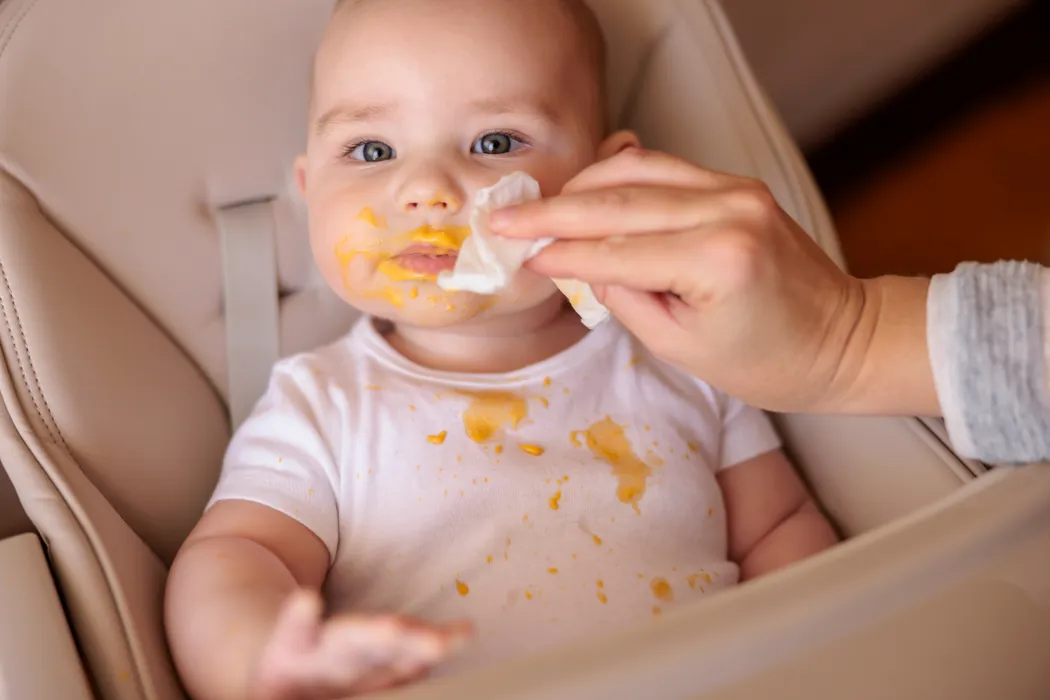
It is generally safer to use plain warm water on a soft cloth for a newborn's face, especially around the eyes and mouth. If you do use a wipe, choose one that is fragrance-free, alcohol-free, and specifically labelled for sensitive or newborn skin.

How do I know if my baby is allergic to wipes?

Look for redness, a raised rash, or small bumps that appear specifically where the wipe touched the skin, usually within a few hours of a diaper change. If symptoms appear consistently after using a particular product, stop use and speak to your paediatrician, who may refer you for patch testing if reactions are severe.
Are flushable baby wipes safe for plumbing?

Most wipes, including those labelled flushable, do not break down quickly enough to be safely flushed and can cause blockages in home plumbing and municipal sewage systems. It is best to dispose of all used wipes in a bin.

How should baby wipes be stored?

Keep the pack sealed tightly after each use to prevent the wipes from drying out. Store in a cool, dry place away from direct sunlight, and check the expiry date, as the preservative system in wipes has a shelf life.

Apollo 247 Floating Action Button