logo
0

Baby Wipes: Types, Materials, and How to Choose Safely

Discover baby wipe types, materials, and how to choose safely. Learn about water wipes vs. regular wipes, ingredients to avoid, and essential safety tips.

article image

Dr.Bhanu Prakash

Choosing the right baby wipes feels simple until you are standing in a pharmacy aisle staring at a dozen options, all claiming to be the gentlest on the planet. Baby wipes are one of the most frequently used products in a newborn's daily routine, which makes ingredient safety and material quality more important than most parents initially realise. This guide breaks down what goes into baby wipes, what labels actually mean, and how to make a confident choice for your baby's skin.

What Are Baby Wipes and How Are They Made

Most baby wipes start with a nonwoven fabric base. This is a sheet of fibres bonded together without traditional weaving. Common materials include:

  • Cotton: Naturally soft and breathable.
  • Viscose (rayon): Derived from plant cellulose, often blended with polyester for strength.
  • Polyester or polypropylene blends: More durable but less biodegradable.

The fabric is then saturated with a moistening solution. In standard wipes, this solution typically contains purified water as the main ingredient, along with a preservative system, a mild surfactant to help lift waste, and sometimes added fragrance, aloe, or skin-conditioning agents. The exact formula varies widely between brands, and the ingredient list on the pack is your clearest guide.

Types of Baby Wipes: Water Wipes vs Regular Wipes

Water Wipes for Babies

Water wipes for babies contain very high water content (often 99 to 99.9 percent) with minimal additional ingredients, sometimes just water and a tiny amount of a plant-derived preservative. The idea is to mimic what a damp cotton pad does, without introducing many extra chemicals to infant skin.

Regular baby wipes typically contain a wider ingredient list: emulsifiers, preservatives, fragrance, and conditioning agents. Some are unscented but still contain preservation systems to prevent microbial growth.

Comparing the Two
 

Feature    Water WipesRegular Wipes
Main ingredientPurified water (99%+)Water plus solution blend
PreservativesMinimal or single agentUsually a preservative blend
FragranceNoneScented or unscented options
Cleaning powerGentler, less lifting actionSlightly stronger cleanse
Best suitedNewborn and sensitive skinOlder babies with normal skin

Neither type is universally better. Water wipes suit very new or reactive skin well. Regular alcohol-free, unscented wipes work fine for many babies once the skin has matured a little. The key is watching how your baby's skin responds.

Hypoallergenic Baby Wipes: What the Label Really Means

"Hypoallergenic" on a baby wipes pack sounds reassuring, but it is a marketing term, not a regulated guarantee in India or most other countries. It generally means the manufacturer has tried to reduce or exclude common allergens, but it does not mean the product is allergy-proof.

Similarly, "dermatologically tested" means a dermatologist reviewed or conducted testing, but it does not specify the number of subjects tested or the sensitivity of the test population. "pH-balanced" (ideally around pH 5.5 to match infant skin's natural acidity) is a more meaningful claim because it is measurable and supports the skin's protective barrier.

When you see these labels, treat them as a starting point, not a guarantee. Patch-test any new wipe on a small area of your baby's arm or thigh for 24 to 48 hours before using it widely.

Ingredients to Avoid in Baby Wipes

Infant skin is thinner and more permeable than adult skin, which means irritants absorb more easily. Scan the ingredient list and be cautious of:

  • Parabens (methylparaben, propylparaben): used as preservatives; some parents and researchers have raised questions about long-term hormonal effects, though regulatory bodies continue to review the evidence.
  • Alcohol (ethanol or isopropyl alcohol): dries and strips the skin barrier quickly.
  • Artificial fragrance: one of the most common triggers for contact dermatitis in babies; "fragrance" on a label can represent dozens of individual chemicals.
  • Phenoxyethanol: a preservative increasingly used as a paraben alternative; safe at low concentrations for older children but some regulators advise caution in products used on very young infants.
  • Methylisothiazolinone (MI) and methylchloroisothiazolinone (MCI): potent contact allergens that several countries have now restricted in rinse-off products.

Chemical-free baby wipes are often marketed to avoid these concerns. Read the label carefully rather than trusting the front-of-pack claim, because "chemical free" has no formal regulatory definition.

Contraindications and When Not to Use Baby Wipes

There are situations where even the gentlest wipe should be avoided:

  • Broken or raw skin: the preservatives and even water wipes' minimal ingredients can sting and slow healing. For treating minor skin irritation or cuts, follow your paediatrician's advice on clean wound care.
  • Active diaper rash: use warm water and a soft cloth, then let the skin air-dry before applying a doctor-recommended barrier cream.
  • Eczema flare-ups: during a flare, the skin barrier is severely compromised. Wipes, even hypoallergenic ones, can worsen inflammation.
  • The umbilical cord stump area: the cord stump should be kept dry. Using wipes in that zone risks moisture-related infection. Read more about caring for your newborn's umbilical cord area for safe cleaning guidance.
  • Premature babies: their skin is even more fragile; always ask the NICU team before using any wipe.

When in doubt, a bowl of lukewarm water and a clean cotton pad is always a safe fallback.

How to Choose the Right Baby Wipes for Your Baby

Use this checklist when comparing products:

  • Fragrance-Free: The single most effective step to reduce irritation risk.
  • pH Balance (Around 5.5): Look for this on the pack or the brand's product page.
  • Alcohol-Free: Check both "alcohol" and "ethanol" in the ingredients.
  • Thickness and Texture: Thicker wipes hold moisture better and are less likely to tear mid-use.
  • Dermatologist-Tested: Not a guarantee, but preferable to no testing claim.
  • Short Ingredient List: Fewer ingredients generally mean fewer potential irritants.
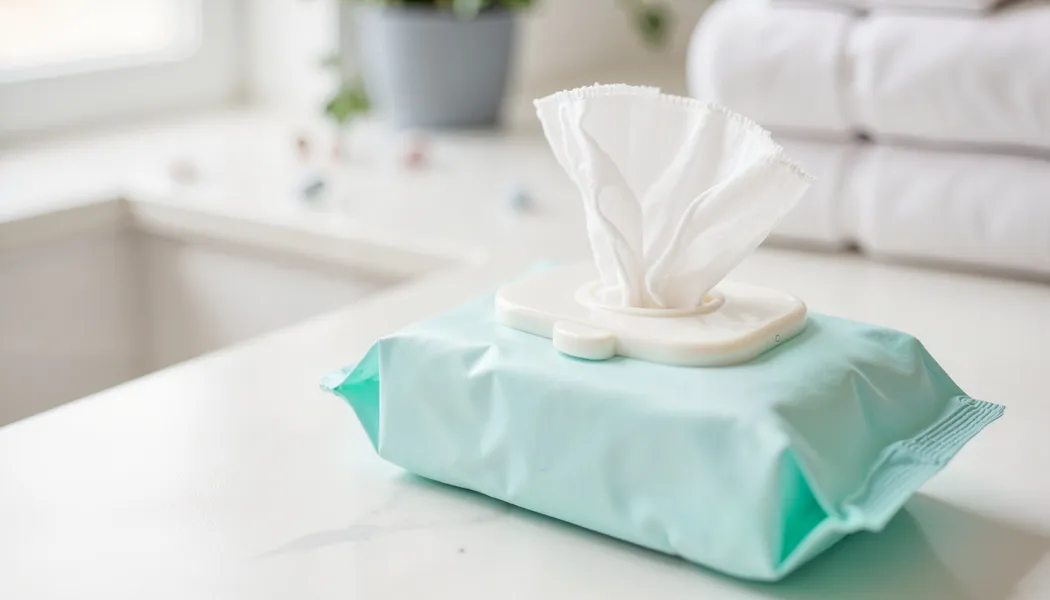
  • Packaging: Resealable packs keep wipes from drying out and prevent contamination.

For the best baby wipes for newborn skin specifically, prioritise water wipes or very short-ingredient, unscented options in the first few weeks. Reassess as your baby grows and their skin barrier strengthens.

Important Safety Information

Consult your paediatrician before introducing any new skincare product, including baby wipes, especially in the first month of life or if your baby has a known skin condition.

If you notice redness, rash, swelling, or any unexpected skin reaction after using a wipe, stop using it immediately. Report adverse events to your healthcare provider or the relevant regulatory authority.

Baby wipes are external-use products. They are not meant to clean inside the mouth, eyes, or any mucous membrane. Keep used and unused wipes away from infants' reach to prevent accidental ingestion or suffocation risk.

Conclusion

Choosing the right baby wipes comes down to understanding fabric materials, ingredient lists, and your baby's unique skin sensitivity. While water wipes offer a minimalist approach ideal for newborns, high-quality, alcohol-free, and fragrance-free regular wipes work wonderfully as babies grow. By checking labels carefully, avoiding harsh preservatives or synthetic fragrances, and following proper skin care practices, you can protect your infant's delicate skin barrier. Always consult your pediatrician or dermatologist if you notice persistent irritation or have questions about introducing new baby care products.

FAQS

Are baby wipes safe for daily use?

Yes, for most healthy babies, fragrance-free and alcohol-free baby wipes are safe for daily use during nappy changes and gentle clean-ups. If you notice any skin reaction, switch to plain damp cotton pads and consult your paediatrician.

Can I use baby wipes on a newborn's face?

You can use a plain, fragrance-free wipe to gently clean a newborn's face, but avoid the eye area and always check that the wipe contains no alcohol. A soft, damp cloth is equally safe and may be preferable in the first few weeks.

Are water wipes better than regular wet wipes?

Water wipes have fewer ingredients, which lowers the risk of irritation on very sensitive or newborn skin. Regular unscented, alcohol-free wipes work well for most babies too; the best choice depends on your baby's individual skin response.

Do baby wipes cause diaper rash?

Wipes themselves are not a direct cause, but fragranced wipes or those with certain preservatives can irritate already-sensitive skin and worsen an existing rash. Switching to water wipes or plain damp cotton during a rash episode usually helps.

How do I know if my baby is allergic to wipes?

Look for redness, small bumps, or a rash that appears specifically in areas where the wipe was used. Stop using the product, consult a paediatrician or dermatologist, and consider a patch test before trying a new brand.

Apollo 247 Floating Action Button