logo
0

Best Cream for Newborn Rash: Complete Care Guide

Discover the best cream for newborn diaper rash. Learn about causes, safe ingredients like zinc oxide, daily prevention routines, and when to see a doctor.

article image

Dr.Nallapu Siri

Few things unsettle a new parent more than seeing their baby's skin turn red and raw under a diaper. Knowing how to choose the best cream for newborn rash, and understanding why the rash appeared in the first place, can make a real difference in how quickly your baby heals and how rarely the problem returns. This guide walks you through causes, symptoms, ingredients to look for, and a daily routine that keeps delicate skin protected.

What Causes Diaper Rash in Newborns?

Newborn skin is thinner and more absorbent than adult skin, which makes it unusually vulnerable to irritation. Most diaper rashes trace back to one or more of these triggers:

  • Prolonged Moisture: Prolonged moisture from urine or stool sitting against the skin softens and breaks down the outer barrier.
  • Diaper Friction: Friction from the diaper rubbing during movement creates micro-tears that invite further irritation.
  • Chemical Irritants: Chemical irritants in certain baby wipes, detergents, or fragrance-heavy products can strip natural oils.
  • Dietary Changes & Antibiotics: A switch to solid foods or antibiotics (in either the baby or a breastfeeding parent) can alter stool chemistry and raise rash risk.
  • Allergic Reactions: Allergic reactions to diaper materials or topical products sometimes present as a rash pattern that follows the diaper's edges.
  • Fungal or Bacterial Infections: Fungal or bacterial infections, particularly with Candida, can develop when moisture stays trapped for long periods.

If your newborn seems to get diaper rash constantly, the most common reason is that feeds are frequent, so diaper soiling is frequent, and changes are not always happening quickly enough.

How to Identify Diaper Rash Symptoms

Typical diaper rash looks like a flat or slightly raised red patch confined to the area covered by the diaper. The skin may feel warm and look irritated, but the baby is generally not in significant distress unless the area is touched.

Watch for signs that suggest something more than simple irritation:

  • Fungal Infection Signs: Bright red, shiny, well-defined patches with small red dots or satellite spots at the edges often point to a Candida (fungal) infection rather than a standard rash.
  • Skin Barrier Breakdown: Blistering, weeping, or crusting suggests the skin barrier has broken down and secondary infection is possible.
  • Bacterial Infection Signs: Swelling or pus around the rash can indicate a bacterial infection and needs medical attention.
  • Spreading Beyond the Diaper Zone: A rash that extends well beyond the diaper zone, up the abdomen or down the thighs, warrants a doctor's assessment.

Mild redness that improves within 24 to 48 hours of basic care is usually normal irritation. If the pattern looks more like a ring or has distinct borders with raised edges, mention it to your pediatrician because it may be mimicking a fungal condition that needs antifungal treatment, not just a barrier cream.

Best Cream Ingredients for Newborn Rash

The goal of any diaper rash cream for babies is to create a physical barrier between skin and moisture while soothing inflammation. Three active ingredients appear most often in well-tolerated formulations:

  • Zinc Oxide: Zinc oxide is the most studied ingredient for newborn diaper rash treatment. It forms a thick, protective layer on the skin surface, reduces redness, and has mild antimicrobial properties. Concentrations typically range from 10% to 40%. It is generally considered safe for use on intact newborn skin from birth onward.
  • Petrolatum (White Petroleum Jelly): Petrolatum (white petroleum jelly) is an occlusive agent that locks moisture out while keeping the skin's own hydration in. It is inexpensive, fragrance-free, and very well tolerated even on sensitive skin.
  • Dexpanthenol (Provitamin B5): Dexpanthenol (provitamin B5) supports skin cell regeneration and is often included in formulations designed for damaged or repeatedly irritated skin. It is gentle enough for newborns when used as directed.

When choosing a product, look for a short ingredient list, no artificial fragrances, and no preservatives that are known sensitizers. Zinc oxide cream for babies with petrolatum as a base is a common combination that balances protection and healing.

Contraindications and When to Avoid Certain Creams

Not every cream is appropriate in every situation. Here are important cautions:

  • Broken or Infected Skin: Do not apply any cream to broken, blistered, or infected skin without first consulting a doctor. An occlusive barrier can trap bacteria or fungi under the skin and worsen an infection.
  • Unprescribed Topical Steroids: Topical steroid creams should never be used on a diaper rash unless specifically prescribed by a paediatrician. The diaper creates an occlusive environment that dramatically increases steroid absorption through thin newborn skin.
  • History of Allergies or Eczema: If your baby has a history of allergic reactions or eczema, patch-test any new cream on a small area of the inner arm for 24 hours before applying it to the rash.
  • Talcum-Powder Products: Talcum-powder-based products are not recommended for infants due to inhalation risk.
  • Unconfirmed Fungal Treatments: Never apply a cream intended for fungal rash (containing antifungals) to a rash that has not been confirmed as fungal. Using the wrong treatment delays healing of the actual cause.
  • Uncertain Diagnosis: If in doubt about what type of rash your baby has, stop applying over-the-counter products and seek medical advice before continuing.

Report adverse events to your healthcare provider or the relevant regulatory authority.

Daily Diaper Care Routine to Prevent Rash

A consistent routine is the most effective way to prevent diaper rash, or stop a mild rash from worsening.

  • Step 1: Change Diapers Frequently: Newborns typically need 8 to 12 diaper changes in 24 hours. Do not wait until a diaper feels heavy. Change promptly after every bowel movement.
  • Step 2: Clean Gently: Use warm water and unscented, alcohol-free wipes or a soft cloth. Wipe front to back. Avoid rubbing. Pat rather than scrub.
  • Step 3: Air-Dry Before Applying Anything: Leave the diaper off for 5 to 10 minutes if your baby's skin is damp or irritated. Moisture sealed under cream is counterproductive.
  • Step 4: Apply a Barrier Cream at Every Change: A thin but complete layer of zinc oxide or petrolatum-based cream should cover all skin that contacts the diaper. You do not need to remove all the previous layer at each change as long as the area is clean; this avoids friction.
  • Step 5: Check the Diaper Fit: A diaper that is too tight creates friction and restricts airflow. Fasten it snugly but leave enough space to slide two fingers under the waistband.

Baby rash home remedies such as brief air-drying time, warm water cleaning, and petroleum jelly as a barrier are evidence-supported and safe. Coconut oil, oatmeal baths, and breast milk are sometimes used, but the evidence for these is limited. If you choose to try any home remedy, ensure the skin is not infected and monitor for any new reaction.

When to Consult a Doctor

Most mild diaper rashes clear within 2 to 3 days of careful home management. Contact your pediatrician if:

  • The rash has not improved after 3 days of consistent care.
  • You see blisters, pus, or open sores.
  • Satellite spots or a bright red, sharply bordered rash appears, suggesting fungal infection.
  • Your baby develops a fever alongside the rash.
  • The rash is spreading to the abdomen, thighs, or back.
  • Your baby seems to be in significant pain during diaper changes.

Fungal and bacterial rashes require prescription treatment. Applying more barrier cream will not resolve them and may delay recovery. A pediatrician can confirm the diagnosis and prescribe the appropriate antifungal or antibiotic if needed.

Conclusion

Managing and preventing newborn diaper rash comes down to keeping the skin clean, dry, and protected with a reliable barrier cream containing safe ingredients like zinc oxide or petrolatum. By changing diapers frequently, allowing brief air-drying time, and avoiding harsh fragrances or unprescribed medicated products, you can help your baby's delicate skin heal quickly. If a rash persists beyond three days, shows signs of infection, or spreads outside the diaper area, consult your paediatrician promptly for targeted treatment.

FAQS

What is the best cream for newborn diaper rash?

Creams containing zinc oxide as the active ingredient are widely used and well tolerated for newborn diaper rash treatment. Look for a fragrance-free formulation with petrolatum as a base for added barrier protection.

Can I use coconut oil for baby rash?

Coconut oil is used by some parents as a mild moisturiser, but there is limited clinical evidence supporting its effectiveness for diaper rash. If the skin is broken or infected, consult your doctor before applying any oil.

How long does diaper rash take to heal?

A straightforward diaper rash usually improves within 2 to 3 days with frequent diaper changes, gentle cleaning, and a barrier cream applied at each change.

Is petroleum jelly good for diaper rash?

Yes, plain petroleum jelly is a safe and effective barrier against moisture and irritation, and it is gentle enough for newborn skin. It is a reliable first step while a rash is mild.
Can diaper rash spread to other body parts?

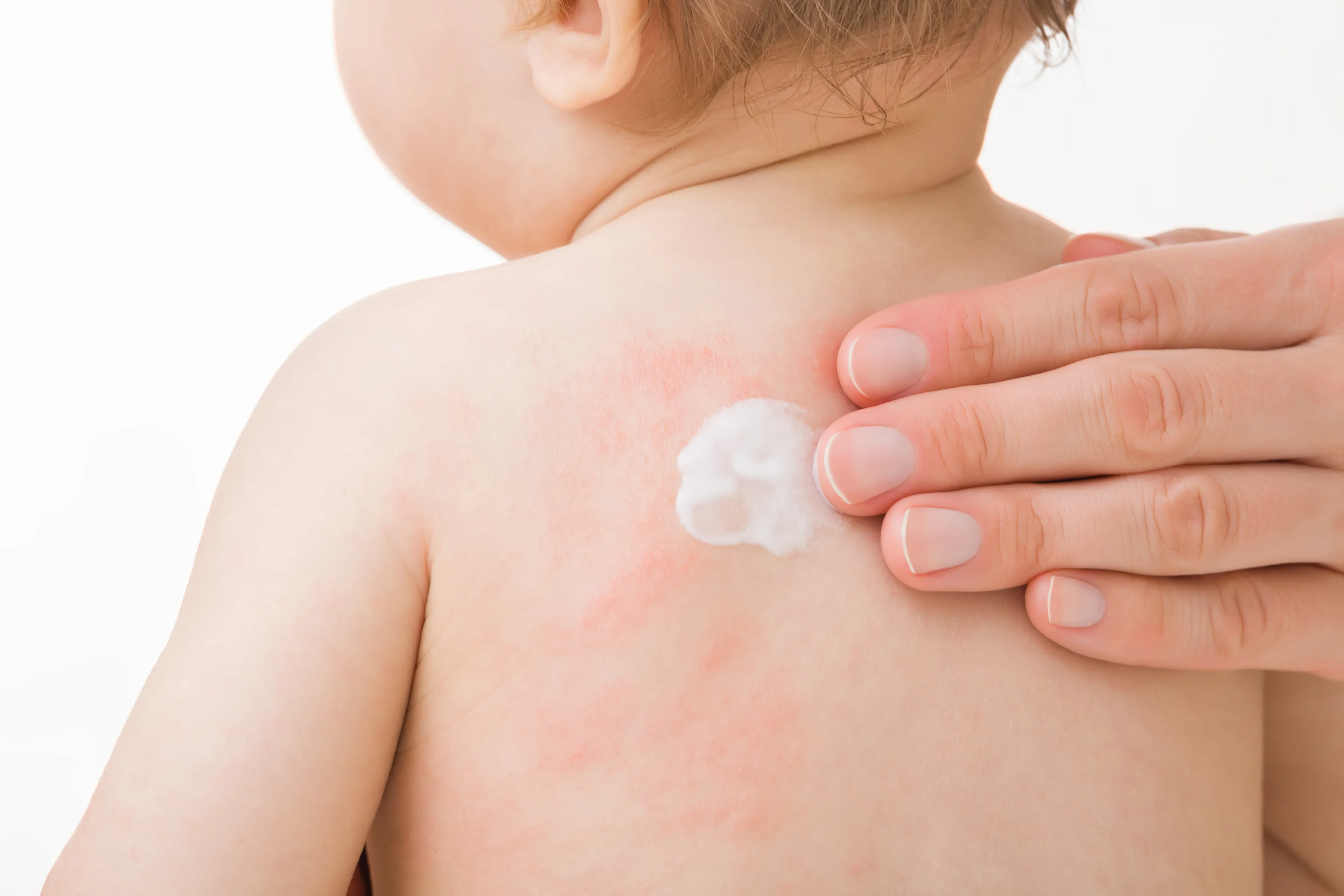
Standard diaper rash stays within the diaper area, but a Candida fungal rash can spread via skin-to-skin contact or extend to skin folds on the thighs and abdomen. If you notice the rash moving beyond the diaper zone, see a doctor.

Apollo 247 Floating Action Button