logo
0

Best Diapers for Newborns: A Complete Buying and Care Guide

Learn how to choose the best diapers for newborns based on size, fit, absorbency, materials, skin sensitivity, rash prevention, and safe diaper-changing practices.

article image

Dr. Kamran

Choosing the best diapers for newborn babies is one of the first real decisions new parents face, and it matters more than most expect. A poor fit leads to leaks; the wrong materials can irritate delicate, thin skin; and an unfamiliar rash at 2 a.m. can feel alarming even when it is minor. This guide cuts through the noise so you can make a confident choice before your baby arrives, and know exactly what to watch for afterward.

How to Choose the Right Diaper for Your Newborn

Newborn skin is thinner and more permeable than adult skin, which means it absorbs irritants faster and reacts more visibly. When comparing diapers, focus on these criteria.

  • Absorbency: Look for a diaper with a fast-absorbing inner layer (usually a non-woven top sheet) and a super-absorbent polymer core. The core should lock moisture away from the skin, not just hold it near the surface.
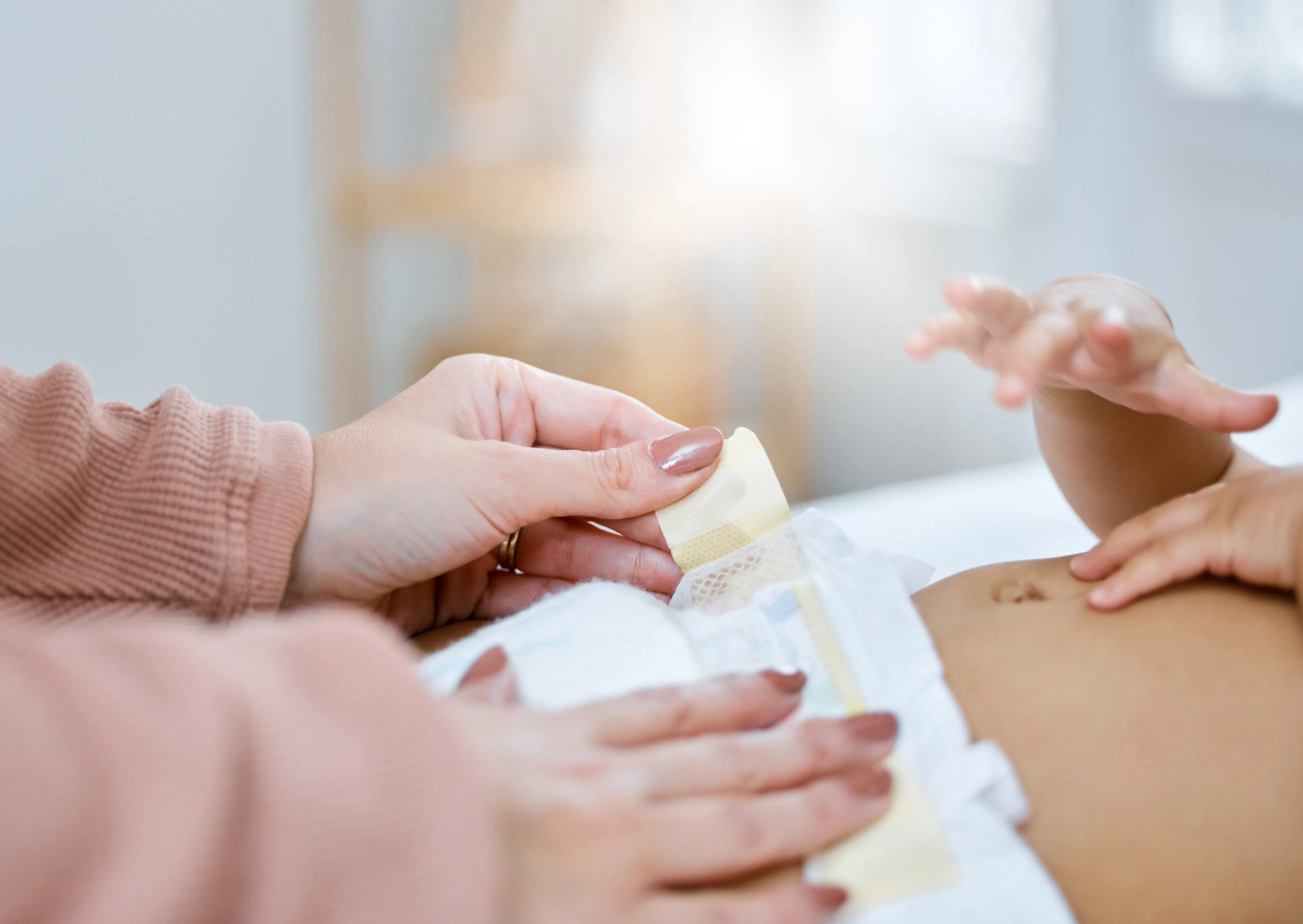
  • Fit and stretch: A snug but not tight fit around the thighs prevents blowouts. Look for elasticated leg cuffs and a stretchy waistband. A diaper that gaps at the thigh or pinches at the belly is the wrong size, not the wrong brand.
  • Wetness indicator: Many newborn diapers include a colour-changing stripe on the front. It turns blue or yellow when wet. For first-time parents managing night feeds and minimal sleep, this stripe is genuinely useful.
  • Umbilical cord cutout: Until the cord stump falls off (usually within two to three weeks), a notched or folded-down front keeps pressure off the area.

For guidance on keeping that area clean, see how to care for your newborn's belly button.

Top-Rated Newborn Diapers Compared: Absorbency, Fit & Skin Safety

Rather than ranking specific brands, it helps to know what category of diaper suits your situation. The table below compares the main types available in India.

Diaper TypeAbsorbency Skin Safety Best ForTypical Cost (India)
Ultra-thin premium disposableHigh (SAP core)Usually fragrance-free, hypoallergenic testedEveryday use, heavy wettersHigher
Standard economy disposableModerate May contain fragrance or lotionBudget households, short outingsLow
Eco/plant-based disposablHighFewer synthetic chemicals, often certifiedSensitive skin, eco-conscious familiesHigher
Cloth (prefold or pocket)Moderate to highNatural fibre, no chemicalsHome use, reusable, cost savings over timeHigher
Hybrid (cloth shell + disposable insert)HighAdjustable; chemical contact limitedFamilies wanting flexibilityMedium

No single type is universally best. A baby with diapers for sensitive skin newborn needs may do better with an eco or plant-based option or a natural-fibre cloth diaper. A family managing twins on a budget may prefer economy disposables used with frequent changes.

Newborn Diaper Size Chart and When to Size Up

Most Indian diaper brands follow a weight-based sizing system. The table below gives general ranges; always check the specific brand's packaging, as sizing can vary slightly.

Size Label Approximate Weight RangeTypical Age
Newborn (NB)Up to 5 kgBirth to 1 month (roughly)
Size 1 / Small (S)4 to 8 kg 1 to 3 months (roughly)
Size 2 / Medium (M)6 to 11 kg3 to 6 months (roughly)

This is a newborn diaper size guide only. Weight is a better guide than age, because babies grow at very different rates.

Signs it is time to size up:

  • Red marks or indentations around the thighs or waist after removing the diaper
  • Visible gaps at the leg openings that allow leaks even when the diaper is not full
  • Difficulty fastening the tabs without stretching them past the marked zone
  • Stool or urine escaping from the waist or leg cuffs consistently

When in doubt, size up. A slightly larger diaper that fits well will outperform a smaller one that is technically the right weight range but too snug on a particular baby's build.

Diaper Rash: Causes, Prevention, and When to See a Doctor?

Signs of diaper rash in babies include red, inflamed, or puffy skin in the nappy area, small bumps or blisters, and a baby who cries when the area is wiped. It is very common, especially in the first few months.

Common causes:

  • Prolonged contact with wet or soiled diapers
  • Friction from a poor-fitting diaper
  • Sensitivity to fragrance, dyes, or preservatives in diapers or wipes
  • Introduction of new foods (in older infants)
  • Antibiotic use, which can allow yeast overgrowth

How to prevent diaper rash:

  • Change diapers frequently. The question of how often to change newborn diapers has a clear answer: every two to three hours, or immediately after a bowel movement, regardless of how wet the diaper looks.
  • Clean the area gently with plain warm water or unscented wipes, wiping front to back.
  • Allow the skin to air dry fully before putting on a fresh diaper. Even two to three minutes of open-air time helps.
  • Apply a thin layer of barrier cream (zinc oxide-based) at each change if rash-prone.
  • Avoid tight diapers and rough wipe materials.

When to see a doctor?

  • The rash is bright red, raised, or has satellite spots beyond the main area (possible yeast/fungal infection)
  • Blisters, open sores, or bleeding are present
  • The rash has not improved after two to three days of home care
  • Your baby has a fever alongside the rash
  • The rash spreads to the abdomen, thighs, or back

Fungal rashes in particular do not respond to standard barrier creams and need antifungal treatment from a paediatrician. Do not attempt to treat a severe or spreading rash at home.

Skin Safety: Ingredients and Materials to Avoid

Newborn skin absorbs topical substances more readily than older children's skin. When choosing diapers and wipes for a baby with sensitive skin, check labels carefully.

Ingredients and features to avoid:

  • Artificial fragrances or perfumes (common cause of contact dermatitis in babies)
  • Parabens and formaldehyde-releasing preservatives in wipes
  • Harsh dyes in the diaper material itself
  • Lotions or moisturisers on the inner surface of the diaper, which can block skin from breathing

Scented diapers are not recommended for newborns. The fragrance masks odour for the parent but adds an unnecessary chemical load directly against highly permeable skin. Opt for fragrance-free, and look for diapers labelled dermatologically tested on newborn or sensitive skin.

If you ever notice redness or irritation that looks like a skin reaction rather than a standard rash, stop using the product immediately. Minor surface irritation can be managed similarly to treating minor skin cuts and wounds at home, keeping the area clean and protected, but report persistent or worsening reactions to your paediatrician promptly.

Contraindications and Precautions

Certain situations require pausing or modifying your diapering routine, particularly around the use of barrier creams and medicated wipes.

Do not apply barrier cream if:

  • The skin in the diaper area is broken, ulcerated, or actively bleeding. Cream over an open wound can trap bacteria.
  • There are signs of a fungal or bacterial infection (raised red border, pus, spreading redness). These need specific treatment, not a standard barrier.
  • Your baby has had an allergic reaction to a previous diaper cream ingredient. Check formulations carefully; zinc oxide is generally safe, but added botanicals, lanolin, or vitamin E variants can trigger reactions in some infants.

General precautions:

  • Never use adult skincare products, talcum powder, or home remedies (such as coconut oil mixed with other substances) without asking your paediatrician first.
  • Discard wipes or creams past their expiry date.
  • If your baby develops swelling, hives, or significant distress after a new diaper or cream is introduced, treat it as a possible allergic reaction and seek medical advice the same day.

Report adverse events to your healthcare provider or the relevant regulatory authority.
Conclusion

Choosing the best diapers for newborns is mainly about finding the right balance of fit, absorbency, comfort, and skin protection rather than selecting a particular brand. Choose the size according to your baby's weight and watch for red marks, gaps, leaks, or frequent blowouts that may indicate a poor fit. Change diapers regularly, especially after bowel movements, and use gentle, fragrance-free products if your baby's skin is sensitive. If your baby develops persistent, worsening, blistered, or infected-looking diaper rash, consult your paediatrician for appropriate advice and treatment.

FAQs

How many diapers does a newborn use per day?

Most newborns need 8 to 12 diaper changes in a 24-hour period in the first few weeks. This gradually reduces as the baby grows and feeds become more spaced out.

Is it OK to leave a newborn without a diaper?

Short periods of diaper-free time (10 to 15 minutes after a change) are actually beneficial for skin airing and rash prevention. Always do this on a waterproof mat and in a warm room to avoid chilling the baby.

Can diaper rash cream be used on newborns?

Yes, zinc oxide-based barrier creams are generally safe from birth. Choose a fragrance-free, paediatrician-recommended formulation and avoid applying to broken or infected skin without a doctor's guidance.

What is the difference between newborn and size 1 diapers?

Newborn diapers are cut for babies up to roughly 5 kg and usually include a cord cut-out notch. Size 1 diapers are slightly larger (fitting 4 to 8 kg) and typically do not have this cut-out, as the cord stump is expected to have healed.

How do I know if my newborn's diaper is too tight?

Look for red marks or skin indentations around the waist and thighs after you remove the diaper. If you cannot slip two fingers comfortably under the waistband, or if the tabs are stretched to their maximum, the diaper is too snug and you should try the next size up.

Apollo 247 Floating Action Button