logo
0

Best Diaper for Newborn in India: Top Brands Compared

Compare top newborn diaper brands in India by absorbency, fit, and skin-safety features. Doctor-reviewed guide to picking the right diaper for your baby.

article image

Dr.Rohini priyanaka

Choosing the best diaper for newborn India parents can actually trust is one of those decisions that feels small but affects your baby's comfort every single hour of the day. Newborn skin is far more prone to irritation, redness, and rash than adult skin. The wrong diaper, whether too tight, too bulky, or made with harsh materials, can cause real discomfort. This guide breaks down what to look for, which brands are worth considering, and when a rash needs a doctor's attention.

How to Choose a Diaper for Your Newborn

Before comparing brands, it helps to know which features actually matter for a newborn.

Absorbency

Newborns urinate frequently, sometimes every one to two hours. A diaper that absorbs quickly and locks moisture away from the skin is essential. Look for multi-layer cores with a soft inner lining that pulls wetness away on contact.

Fit and Leg Elastic

A good fit prevents leaks without digging into soft skin. Stretchy, contoured leg cuffs seal without leaving marks. Avoid diapers with rigid elastic bands.

Softness of the Inner Layer

The inner layer should feel cloth-like against your baby's skin. Rough or scratchy materials are a common trigger for irritation in the first few weeks.

Wetness Indicator

Many newborn diapers include a colour-changing strip on the outside that turns a different shade when wet. This is genuinely useful when you cannot tell by feel, especially at night.

Size Range and the Umbilical Cord Notch

Most newborn diapers come in sizes labelled "Newborn" (NB) or "Size 0," typically suited for babies weighing up to 5 kg. Many also feature a front notch cut out to sit below the umbilical cord stump, protecting that sensitive area. For more on keeping that area clean and dry, see Apollo's guide on newborn belly button care while using diapers.

How to Pick the Right Diaper Size for a Newborn

Always go by weight, not age. A 3.5 kg baby at two weeks and a 3.5 kg baby at four weeks need the same size. If the waistband leaves red lines or the diaper gaps at the thighs, size up or try a different brand's cut.

Top Diaper Brands for Newborns in India: Comparison

Below is a general comparison of widely available newborn diaper brands India parents commonly consider. Price bands are approximate and vary by retailer and pack size.

BrandNewborn Size RangeKey FeatureApprox. Price Band (per diaper)
Pampers (Premium Care)Up to 5 kgUltra-soft cottony feel, wetness indicatorRs. 12 to 18
Huggies (Wonder Pants / Taped)Up to 5 kg    Stretchy waistband, bubble bed softness    Rs. 10 to 16
MamyPoko Pants (Extra Absorb)Up to 5 kg    Pant style, easy for active changesRs. 8 to 13
Himalaya Total CareUp to 5 kg    Herbal-infused inner layer, sensitive skin claimRs. 9 to 14
Little's ComfyUp to 5 kg    Budget-friendly, aloe-coated inner layerRs. 6 to 10

Prices are indicative and subject to change. Always check current pack pricing at the point of purchase.

No single brand suits every baby. Parents often try two or three options in the first month before settling on one, which is completely normal. Buying smaller trial packs before committing to a large box is a practical approach.

Signs Your Newborn's Diaper Isn't the Right Fit

Even a well-reviewed diaper may not work for a particular baby's body shape. Watch for these signs:

  • Fluid Seepage: Leakage around the thighs or back, even when the diaper is not overly full, often means the leg cuffs are not sealing properly.
  • Pressure Imprints: Red marks or indentations on the thighs, belly, or lower back after removal suggest the fit is too snug.
  • Contact Sensitivity: Persistent redness in the nappy area appearing within an hour or two of a fresh diaper may indicate a reaction to the material.
  • Excess Slack: The diaper sags or bunches at the front, which points to a size that is too large.

Fitting two fingers comfortably under the waistband is a simple check for tightness. If the tab fasteners stretch beyond their intended overlap zone, the diaper is too small.

Skin-irritation red flags include blistering, skin that weeps or bleeds, or redness spreading beyond the diaper area. These warrant a prompt call to your paediatrician.

Preventing Diaper Rash in Newborns

Diaper rash is one of the most common skin concerns in the first year, and it is largely preventable with consistent habits.

  • Scheduled Replacement: Change diapers every two to three hours during the day, and promptly after every bowel movement. Leaving a soiled diaper on for more than a short time is the single biggest driver of rash. Diaper rash prevention for newborns means not waiting for the diaper to feel full.
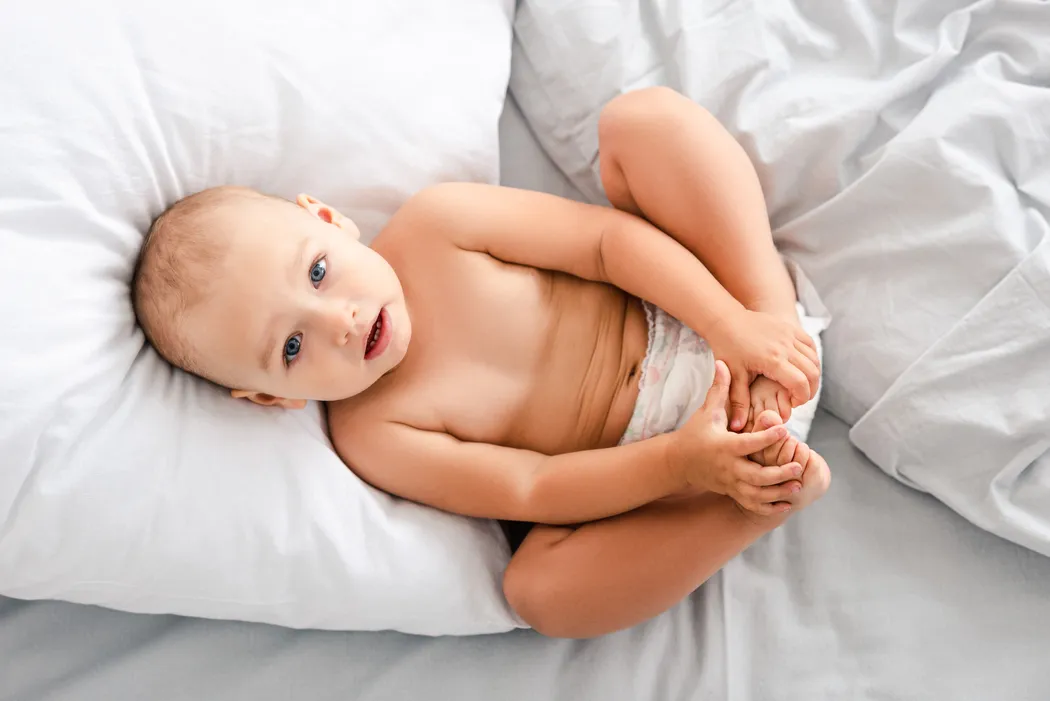
  • Natural Aeration: A few minutes of bare-bottom time after each change lets the skin breathe and dry completely before the next diaper goes on.
  • Dermal Guard: Applying a thin layer of zinc oxide-based barrier cream at each change creates a protective film between skin and moisture. This is especially useful if your baby already has mild redness. Use a gentle, fragrance-free product.
  • Hygienic Technique: Use fragrance-free, alcohol-free wipes or plain warm water with soft cotton. Wipe front to back. Skip talcum powder entirely; it can be inhaled by infants and is not recommended near babies.
  • Dermatological Safety: A diaper for sensitive newborn skin should be fragrance-free, free from parabens, and tested for pH compatibility with infant skin. Switching to a hypoallergenic brand often resolves mild recurring redness without any other changes.

When Diaper Rash Needs Medical Attention

When Diaper Rash Needs Medical Attention

Most nappy rashes clear up within two to three days of careful home management. Some do not, and those need a doctor.

See a paediatrician if you notice:

  • Unresolved Irritation: Rash that does not improve after two to three days of frequent changes and barrier cream.
  • Candidal Lesions: Bright red, raised patches with satellite spots around the edges, which can indicate a fungal infection requiring treatment.
  • Epidermal Erosion: Blisters, open sores, or skin that is weeping or bleeding.
  • Febrile State: Fever alongside the rash.
  • Anatomical Extension: Rash spreading to the abdomen, back, or thighs beyond the diaper area.

Important: Do not apply unverified home remedies, including certain herbal pastes or adult skincare products, to broken or inflamed newborn skin. These can worsen irritation or introduce infection. Report adverse events to your healthcare provider or the relevant regulatory authority.

Parents sometimes try switching diaper brands when a rash appears, which is reasonable. However, if redness persists or worsens despite a brand change, a medical review is the right next step rather than continued trial and error.

Cloth vs. Disposable Diapers for Newborns

The cloth vs. disposable diaper newborn debate does not have a single right answer. Both options work well when used correctly.

Cloth diapers are reusable, generate less waste, and may suit babies with very sensitive skin since the inner layer is typically plain cotton. They require more frequent changes because they lack the absorbent polymer core that keeps moisture away from skin. They also mean more laundry and a learning curve for fastening.

Disposable diapers are more convenient, especially in the first weeks when changes happen eight to twelve times a day. Modern disposables are designed to pull moisture away from skin quickly, which can actually reduce rash risk when changed on schedule.

Many families use disposables for outings and overnight, and cloth at home. Either choice, combined with prompt changes and barrier cream, supports healthy skin.

FAQS

How many diapers does a newborn use per day?

Most newborns go through eight to twelve diapers every twenty-four hours in the first month. The number gradually decreases as feeding patterns settle and the baby grows.

Is a cloth diaper better than a disposable diaper for a newborn?

Neither is universally better. Cloth diapers use natural fibres and generate less waste; disposables offer greater absorbency and convenience. The key factor for skin health is how frequently you change the diaper, not which type you choose.

What size diaper does a newborn need?

Start with "Newborn" or "NB" size, designed for babies up to approximately 5 kg. Always check the weight guide on the pack rather than going by age, as babies vary significantly in size at birth.

Can newborns be allergic to diapers?

Yes, some newborns react to fragrances, dyes, or latex in certain diapers. Signs include persistent redness or a rash that appears shortly after wearing a specific brand. Switching to a fragrance-free, hypoallergenic option often helps; see a paediatrician if the reaction continues.

How long can a newborn stay in one diaper?

Change a wet diaper every two to three hours and a soiled diaper immediately. Leaving any diaper on longer, even a high-absorbency one, raises the risk of diaper rash and skin breakdown.

Apollo 247 Floating Action Button