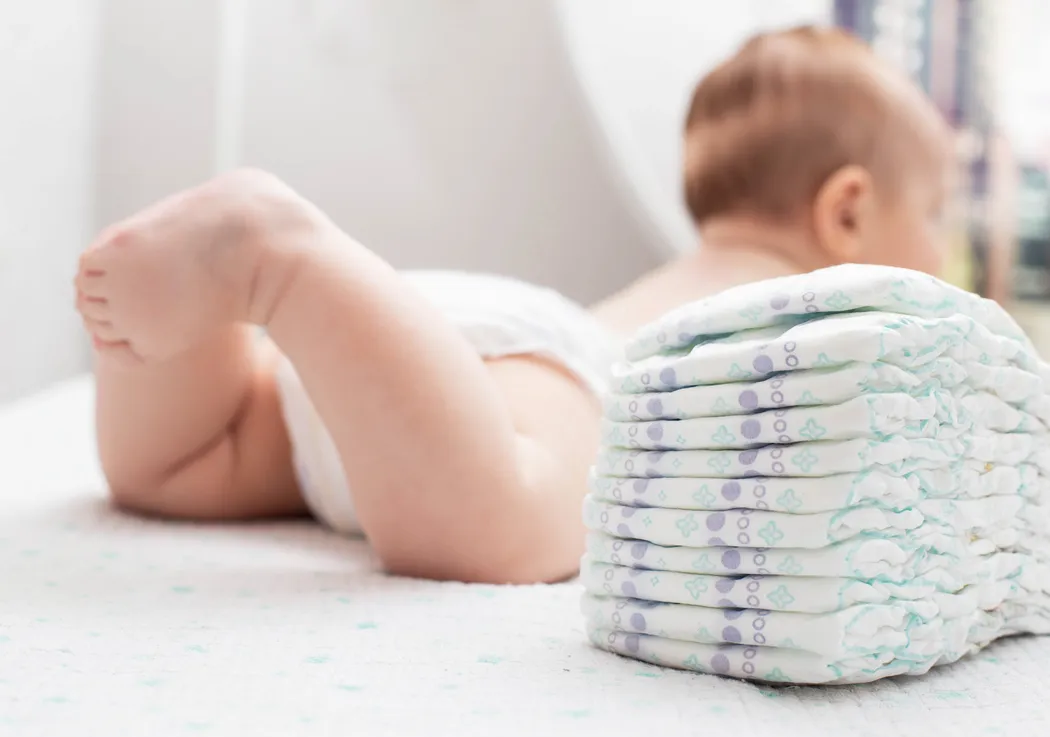
How to Choose the Right Diaper for Your Newborn?
Choosing the right diaper for your newborn involves considering their size, skin sensitivity, absorbency needs and overall comfort. A well-fitting diaper can help prevent leaks, reduce irritation and keep your baby comfortable throughout the day
Absorbency
A newborn can wet a diaper 10 to 12 times a day. The inner core needs to lock moisture away from the skin quickly. Look for diapers that mention a super-absorbent polymer (SAP) layer or a "dry touch" inner surface. The faster the diaper pulls wetness away, the less time your baby's skin sits in a damp environment.
Fit and Size
Getting the best diaper size for newborn baby right matters more than brand loyalty. Most Indian brands use weight as the sizing guide:
- Size NB (Newborn): roughly up to 5 kg
- Size S: roughly 4 to 8 kg
- Size M: roughly 7 to 12 kg
A diaper that fits well sits snugly at the waist with about two fingers' gap, does not gap at the thighs, and sits below the umbilical cord stump. Many brands sell a "new baby" or "extra small" variant specifically cut to avoid the navel area, which matters in the first two to three weeks. Keeping that area clean and dry is equally important. See these newborn belly button care tips for guidance on navel hygiene during this period.
Skin Safety
Check the pack for fragrance-free and alcohol-free labels. Hypoallergenic claims and dermatologically tested certifications are helpful indicators, though they do not guarantee zero reactions in every baby. Soft, cloth-like outer covers reduce friction on delicate skin folds.
Wetness Indicator
A colour-changing stripe on the outside of the diaper turns from yellow to blue when wet. This is genuinely useful for new parents who are still learning their baby's hunger-versus-discomfort cues, especially during night feeds when you would rather not fully unwrap the baby to check.
Budget
Diaper costs add up fast over weeks and months. Premium options can cost Rs. 18 to 30 per piece, while mid-range diapers fall in the Rs. 8 to 15 range. Buying larger packs almost always reduces the per-piece cost significantly. Factor in how many changes per day your newborn needs, which is typically 8 to 12, when planning your monthly spend.