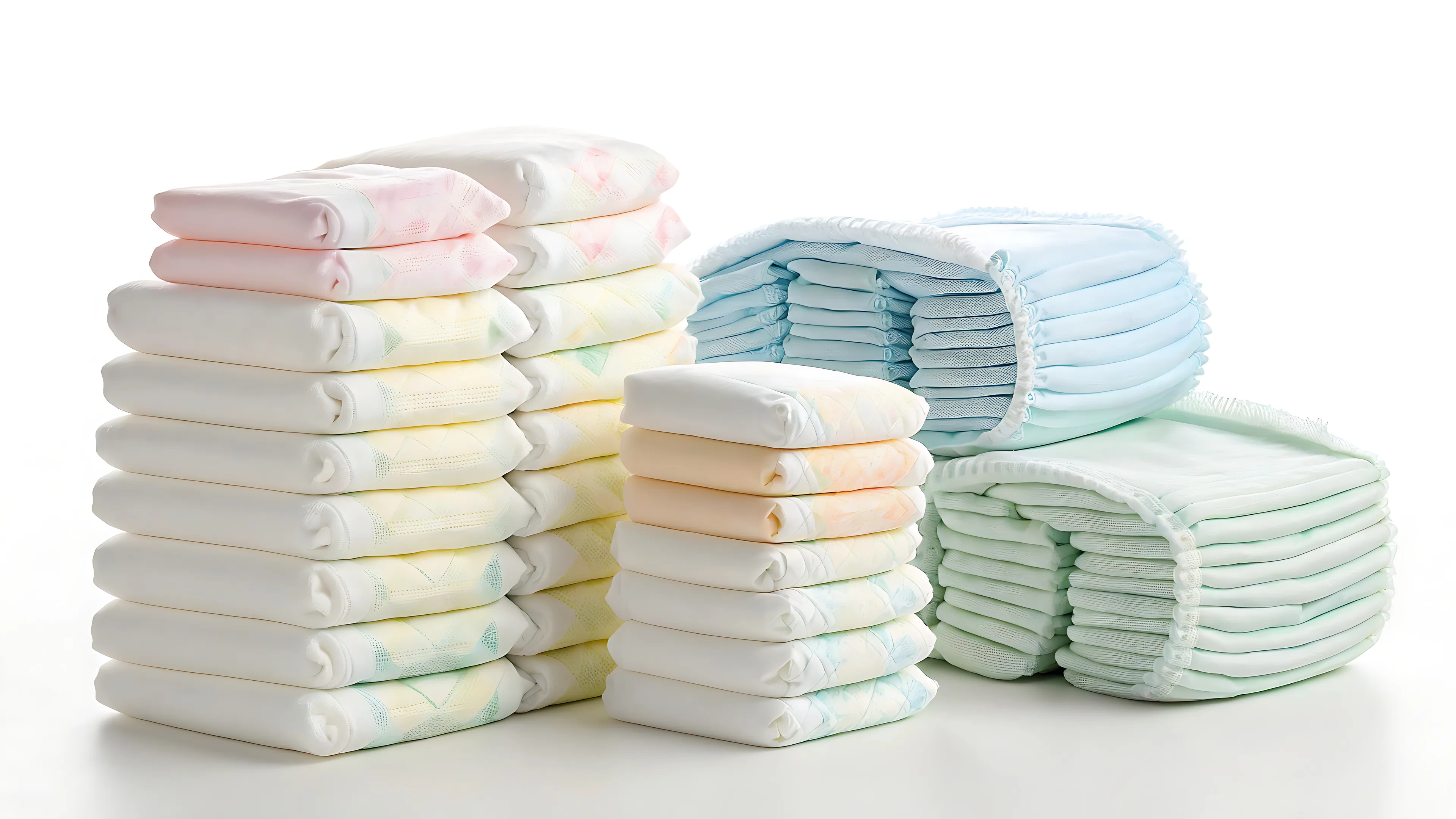
Best Diapers for Newborn in India: Top Brands Compared
Compare diapers for newborn babies in India by size, fit, absorbency, comfort, skin sensitivity, materials, price, and practical features for parents.
Dr.Ezhilrasan
Choosing the best diapers for newborn in India can feel genuinely confusing when every brand promises softness, zero rashes, and a happy baby. The first few weeks at home involve frequent changes, delicate skin, and a steep learning curve. This guide cuts through the noise with a straightforward comparison of top brands, practical buying advice, and honest safety guidance.
Choosing the right diaper for a newborn involves considering size, fit, absorbency, softness, skin sensitivity, and features that help keep the baby comfortable and dry.
Diaper Size for a Newborn Baby
Most Indian brands follow a weight-based sizing system. Newborn (NB) size diapers fit babies up to roughly 5 kg, and Size 1 covers approximately 2 to 5 kg. Because newborns grow fast, many parents find they move out of NB size within two to four weeks.
Check these three things when sizing:
The waistband fits snugly but still allows two fingers to slip in comfortably.
Leg cuffs lie flat against the skin without digging in or leaving red marks.
The diaper has a notch cut out for the umbilical cord stump. That small detail matters in the first two weeks. Read more about newborn belly button care tips to understand why that area needs careful attention.
What to Look for in the Best Diapers for Newborn Skin?
Absorbency is the single most important factor. Look for a core that pulls moisture away quickly so the skin surface stays dry between changes.
A wetness indicator is genuinely useful for new parents. The yellow line that turns blue tells you a change is needed without having to disturb a sleeping baby to check.
Other features worth considering:
Fragrance-free or hypoallergenic inner layer to reduce newborn diaper rash prevention issues
Soft, cloth-like outer cover that does not chafe sensitive skin
Stretchy side tabs that seal around chubby thighs without cutting off circulation
Top Diaper Brands for Newborns in India Compared
Here is a plain diaper brands comparison of the most widely available options across Indian cities and towns.
Brand
Key Feature
Price Tier
Best For
Pampers Premium Care
Cotton-soft layer, wetness indicator, cord notch
Premium
Sensitive or premature newborns
Pampers Active Baby
Good absorbency, wide availability
Mid-range
Everyday use after first few weeks
Huggies Wonder Pants
Pants-style pull-up, stretchy waist
Mid-range
On-the-go changes, wriggly babies
MamyPoko Pants Extra Absorb
Japanese absorption technology
Mid-range
Budget-friendly overnight dryness
Himalaya Total Care
Plant-based outer layer
Budget
Parents wanting natural materials
Pampers Newborn Diapers in India
Pampers is the most widely recognised brand, and pampers newborn diapers India options come in two main variants. Premium Care is designed for delicate newborn skin, with a cotton-soft top layer and a curved fit that accommodates the cord stump. Active Baby is more affordable and works well once babies are past the first few weeks.
Both variants are broadly available at Apollo Pharmacy, supermarkets, and online, making restocking straightforward.
Huggies
Huggies Wonder Pants use a pull-up design that many parents find faster on a wriggly baby. The soft waistband is a practical advantage. For very small newborns under 3 kg, the fit can occasionally be loose around the legs, so check sizing carefully.
MamyPoko
MamyPoko Pants Extra Absorb is popular across Tier 2 and Tier 3 cities for its competitive price and reliable overnight absorption. The pants format suits babies from around two weeks old, once the cord stump has fallen off.
Himalaya Total Care
Himalaya positions itself as a natural option with aloe and plant extracts in the outer layer. Independent lab data is limited, so parents of babies with known skin conditions should check with a paediatrician before switching brands.
Diaper Rash: Causes and Prevention Tips
Diaper rash commonly develops when a baby’s skin is exposed to moisture, friction, or irritants for too long, but frequent diaper changes and gentle skin care can help prevent and reduce irritation.
What Causes Diaper Rash in Babies?
Diaper rash is almost universal in newborns and usually harmless, but it is uncomfortable. Common causes include:
Prolonged skin contact with urine or stool
Friction from a diaper that fits too tightly
Sensitivity to fragrances, dyes, or elastic materials in the diaper
A persistently wet environment that allows yeast (Candida) to overgrow, which typically shows as a bright-red rash with small satellite spots
The diaper you choose directly affects rash risk. Poor absorbency leaves moisture against the skin. A rough outer layer causes chafing. This is why finding the best diapers for newborn skin matters as much as the brand name.
How to Prevent Diaper Rash in Newborns?
Steps that genuinely reduce rash frequency:
Change diapers every two to three hours during the day, and immediately after every bowel movement
Clean with plain warm water and a soft cloth. Scented wipes can irritate raw or inflamed skin.
Pat dry rather than rub. Friction worsens redness.
Apply a thin layer of zinc oxide barrier paste at each change
Give the baby a few minutes of air time before putting on a fresh diaper
Use diapers with a wetness indicator so night changes happen at the right time
Report adverse events to your healthcare provider or the relevant regulatory authority (in India, the Central Drugs Standard Control Organisation, CDSCO) if you suspect a reaction linked to a specific diaper or skincare product.
Both options suit different families. Here is a quick comparison shaped by Indian conditions.
Factor
Cloth Diapers
Disposable Diapers
Upfront cost
Higher (covers and inserts)
Lower per pack
Long-term cost
Cheaper over months
Adds up considerably
Convenience
Requires washing and drying
Ready to use, simple to discard
Skin contact
Natural cotton, breathable
Polymer-based absorbent core
Hot and humid climate
Can feel heavy if not changed quickly
Stays drier at the surface
Cord stump period
Tricky to fold away from stump
Many brands have a pre-cut notch
Cloth diapers are a practical long-term choice for families with reliable access to water and a way to dry them quickly. In humid Indian summers, air-drying can be slow, which raises the risk of bacterial growth in damp inserts. Disposables are more practical during travel, monsoon months, or when laundry access is limited.
When to Consult a Doctor About Diaper-Related Issues?
Most mild rashes clear within two to three days with more frequent changes and a zinc oxide barrier cream. See a doctor if:
The rash is bright red, raised, or has blister-like bumps that spread beyond the diaper area
Small satellite spots appear around the main rash, which may indicate a yeast infection needing antifungal treatment
The rash bleeds or oozes
Your baby develops a fever alongside the rash
The rash has not improved at all after three to four days of home care
You notice swelling, hives, or a widespread skin reaction after switching diaper brands, which may suggest an allergic contact reaction
This article is not a substitute for professional medical advice. Always consult a qualified paediatrician or dermatologist for diagnosis and treatment.
Who Should Take Extra Care (Contraindications and Cautions)?
Babies in the following situations need extra diaper-related attention and medical guidance before choosing a product:
Premature babies with fragile skin, who may react to materials that full-term infants tolerate
Babies with known latex or fragrance allergies
Newborns with a skin condition such as eczema or ichthyosis
Babies who have had a previous allergic reaction to a specific diaper brand
In these cases, do not switch products based on reviews alone. A paediatrician or dermatologist can recommend a suitable option.
Conclusion
Choosing a diaper for a newborn in India involves considering the baby's weight, body shape, skin sensitivity, absorbency needs, comfort, and the family's budget and routine. Disposable and cloth diapers can both be suitable options when used correctly, while newborn-specific sizes may provide a more comfortable fit during the early weeks. Parents should check the manufacturer's size guidance because sizing and features can vary between products and brands. Regular diaper changes, gentle cleaning, thorough drying, and appropriate skin care can help reduce irritation and diaper rash. Comparing fit, absorbency, materials, availability, cost, and ease of use can help parents select an option that suits their baby's needs rather than relying only on brand claims. If a newborn develops persistent redness, sores, swelling, or a worsening rash, parents should consult a paediatrician or healthcare professional.
FAQS
How many diapers does a newborn need per day?
Most newborns need 8 to 12 diaper changes in a 24-hour period in the early weeks. This number typically drops to 6 to 8 by the time the baby is one month old, as feeding and elimination patterns become more regular.
What is the best diaper size for a newborn baby?
The diaper size for newborn baby use is usually the NB (Newborn) size, which fits babies up to approximately 5 kg. Always check the weight range printed on the pack, and size up if you notice red marks or leaking around the legs.
Is Pampers or Huggies better for newborns?
Both brands perform well, and the right choice often depends on your baby's body shape and your budget. Pampers Premium Care suits very sensitive skin and has a cord notch, while Huggies Wonder Pants is convenient for quick changes. Try a small pack of each before committing to a bulk purchase.
How often should newborn diapers be changed?
Change a newborn's diaper every two to three hours during the day, and always immediately after a bowel movement. Leaving a soiled diaper on too long is the most common cause of diaper rash.
Can newborn diapers cause allergies?
Yes, though it is uncommon. Some babies react to fragrances, dyes, or elastic materials used in certain diapers. Signs include redness, hives, or a rash that spreads beyond the diaper area. Switch to a fragrance-free option and consult your paediatrician if symptoms persist.