logo
0

Best Diapers for Newborns in India: A Comparison Guide

Compare the best diapers for newborns in India, including size, fit, absorbency, wetness indicators, skin safety, rash prevention, and key features.

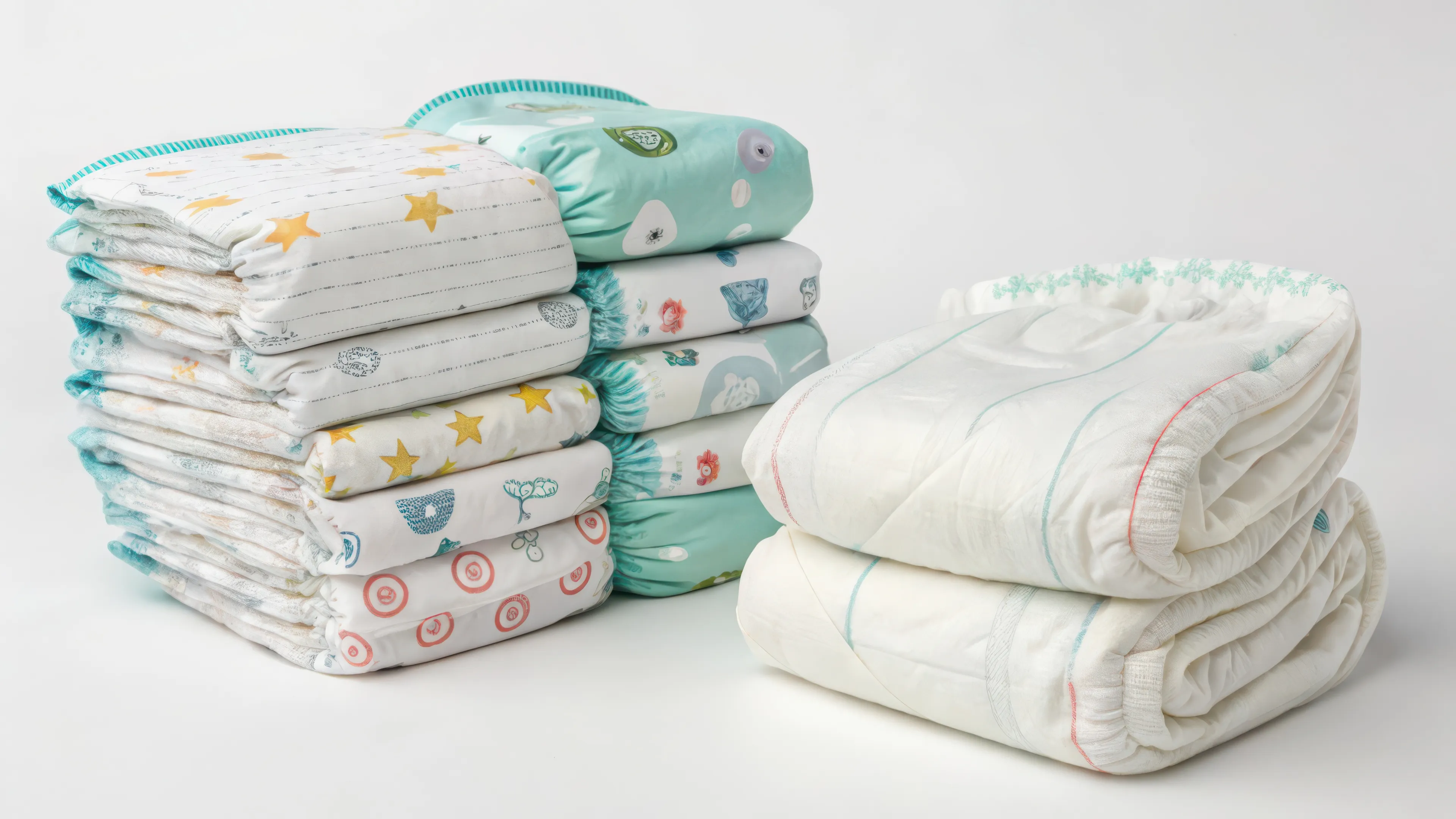
article image

Dr.Rohini priyanaka

Choosing the best diapers for a newborn in India is one of the first decisions new parents face, and it matters more than it seems. A poorly fitting or low-absorbency diaper can leave your baby wet for hours, raising the risk of skin irritation on skin that is still extremely sensitive in the first weeks of life. With dozens of options across price points, from premium international brands to affordable homegrown ones, the choices can feel genuinely overwhelming. This guide covers what to look for, how leading brands compare, and when to call a doctor.

How to Choose a Diaper for Your Newborn

Before picking a brand, understand what separates a good newborn diaper from a mediocre one.

Absorbency is the single most important factor. Newborns urinate frequently, sometimes every one to two hours, and a diaper that locks moisture away from the skin helps prevent irritation.

Fit and elasticity matter just as much. A diaper that gaps at the thighs or waist will leak regardless of absorbency. Look for soft, stretchy waistbands and contoured leg cuffs designed for newborns rather than older infants.

Wetness indicator strips are a small but genuinely useful feature for first-time parents. These colour-changing lines on the exterior turn from yellow to blue when wet, so you do not have to guess or disturb a sleeping baby.

Skin-safe materials are critical for fragile newborn skin. Diapers labelled hypoallergenic, fragrance-free, or dermatologically tested are preferable, particularly if your baby has eczema-prone or sensitive skin.

How to Pick the Right Diaper Size for a Newborn

Most brands size diapers by weight. A general guide:

  • Newborn (NB): Weight ranges vary by brand; many are designed for babies up to around 5 kg.
  • Size 1 or Small (S): Weight ranges vary by brand and product.
  • Size 2 or Medium (M): Weight ranges vary by brand and product.

Always check the brand's own weight chart, because sizing is not standardised across manufacturers. A diaper fits correctly when the waistband sits just below the navel, the leg cuffs lie flat without digging in, and there is no visible gap at the back.

Top Diaper Brands for Newborns in India: Feature Comparison

The table below covers the most widely available newborn diaper brands in India. Prices are approximate and can vary by retailer, pack size, size, and promotional offers. Check the current retail price before publication.

BrandKey FeatureAbsorbencyWetness IndicatorApprox. Price per Diaper (INR)Best For
Pampers Premium CareUltra-soft cotton-like top layer, fragrance-freeHighYes18 to 25Sensitive or premature skin
Pampers Active BabyDual leak guard barriers, stretchable waistHighYes10 to 15Everyday use, value for money
Huggies DrySoft inner layer, snug leg sealMedium-HighYes10 to 14Active newborns, slimmer builds
MamyPoko PantsPant-style pull-up designMedium-HighNo8 to 12Quick changes, older newborns

Pampers vs Huggies Newborn: A Direct Comparison

These are the two most discussed newborn diaper brands in India, and parents frequently ask which one to start with.

Pampers Premium Care has a cotton-soft inner surface and is fragrance-free, making it a common first choice for very young or sensitive newborns. The wetness indicator and umbilical cord notch on the newborn size add practical value in the first weeks. Pampers Active Baby is a more affordable option from the same brand that retains good absorbency and a stretchy waistband.

Huggies diapers are designed with a contoured shape and soft materials for fit and comfort. The specific features can vary by Huggies product, so check the current product packaging before choosing a newborn diaper. Where Pampers generally edges ahead on skin-softness claims, Huggies can be the better fit choice depending on your baby's body shape.

The honest answer: try a small pack of each before buying in bulk. Both are reliable newborn diaper brands in India with good safety records, and the right one often comes down to your baby's specific build.

Diaper Rash and Skin Safety Considerations

Diaper rash, also called irritant diaper dermatitis, is one of the most common skin problems in babies. It develops when prolonged contact with urine or stool breaks down the skin barrier, worsened by friction, heat, and certain chemicals in low-quality diapers.

Key risk factors include:

  • Leaving a wet diaper on for too long.
  • Diapers with fragrance, dyes, or harsh adhesives.
  • Antibiotic use, which can alter stool consistency.
  • Ill-fitting diapers that cause chafing at the thighs or waist.

How to Prevent Diaper Rash in Newborns

Diaper rash prevention is straightforward when you build a consistent routine around it.

  • Change diapers promptly, ideally every 2 to 3 hours or immediately after a bowel movement.
  • Clean the nappy area with plain water or fragrance-free wipes, patting dry rather than rubbing.
  • Apply a fragrance-free barrier cream containing zinc oxide or petrolatum to help protect the skin, particularly when the skin is irritated or exposed to moisture.
  • Allow a few minutes of nappy-free time daily to air the skin.
  • Avoid plastic covers or tight diaper wraps that trap heat and moisture.

Diapering technique also connects to other newborn skin care routines. Paying attention to newborn belly button care during diapering is especially important in the first few weeks while the umbilical stump is healing. If the skin around the nappy area develops a small abrasion or chafing, guidance on treating minor skin irritation or cuts can help you manage it safely at home.

Choosing the best diaper for newborn baby skin means prioritising fragrance-free, hypoallergenic materials and changing frequently, regardless of brand.

Cloth vs Disposable Diapers: What's Better for Newborns

This is a personal decision with no single right answer.

Cloth diapers:

  • Lower long-term cost once you own a sufficient stash.
  • Considerably less plastic waste.
  • Can be gentle on skin when changed frequently.
  • Require more laundry and are less practical when travelling.
  • Modern cloth diapers with snap-in inserts are far more user-friendly than the older flat-fold style.

Disposable diapers:

  • Highly convenient, especially in the first chaotic weeks.
  • Widely available across India, including small towns.
  • Better overnight absorbency in most cases.
  • Ongoing cost and significant plastic waste are real drawbacks.

Many families use disposables during the newborn phase and transition to cloth once the baby's size stabilises and the household routine settles. A hybrid approach, cloth at home and disposables when out, is also common and practical.

When to Consult a Doctor About Diaper-Related Skin Issues

Most mild redness resolves within a day or two of careful diaper rash prevention steps. However, some situations need paediatric attention rather than home management.

Seek medical care if your newborn has:

  • A rash that does not improve with frequent changes and appropriate skin care should be assessed by a paediatrician.
  • Blisters, open sores, or skin that is oozing or crusting.
  • Fever alongside a nappy area rash, which can indicate a secondary infection.
  • A rash that spreads beyond the nappy area to the abdomen, thighs, or back.
  • Bright red or worsening patches, particularly if the rash persists despite routine skin care, should be assessed by a paediatrician to determine whether a fungal infection or another cause is present.

Do not apply over-the-counter steroid creams, antifungal preparations, or medicated powders to a newborn's skin without paediatric guidance. Talcum powder should be avoided around infants because inhaled powder can cause breathing problems and lung injury.

Report suspected skin reactions to your healthcare provider and follow the product manufacturer's instructions for reporting product-related complaints or adverse events.

Conclusion

Choosing the best diaper for a newborn depends on fit, absorbency, skin sensitivity, and the features offered by each product. Check the brand's size chart, choose materials suitable for your baby's skin, and change diapers regularly to help reduce prolonged exposure to moisture. If your baby develops persistent or worsening irritation, blisters, open sores, or fever with a nappy rash, consult a paediatrician.

FAQS

How many diapers does a newborn need per day?

Newborns need frequent diaper changes, particularly after bowel movements and whenever the diaper is wet or soiled. Keeping a small stock of two to three weeks' worth is sensible before birth.

What size diaper does a newborn wear?

Most brands label their smallest size as "Newborn" or "NB," designed for babies up to around 5 kg. If your baby is born above 4 kg, you may move to Size 1 or Small within the first few weeks.

Are Pampers safe for newborn skin?

Pampers Premium Care is dermatologically tested and designed for delicate newborn skin. Check the current packaging for the exact fragrance and hypoallergenic claims of the specific Pampers variant you choose. As with any product, stop use and consult a doctor if you notice redness or irritation.

How often should I change a newborn's diaper?

Change a wet diaper every 2 to 3 hours and a soiled one immediately. Leaving a newborn in a wet or dirty diaper for longer than necessary is the main preventable cause of diaper rash.

What is the difference between newborn and infant diapers?

Some newborn diapers have a contoured front or umbilical cut-out designed to reduce contact with the healing umbilical stump. Check the specific diaper design before choosing one. Infant or Size 1 diapers are larger and lack this notch, making them suitable once the stump has fallen off and the baby has grown past approximately 4 to 5 kg.

Apollo 247 Floating Action Button