logo
0

Best Free Period Tracking App: 2024 Comparison Guide

Compare the best free period tracking apps for cycle, fertility & symptom tracking. Learn what features matter and when to consult a doctor.

article image

Dr.Mayank

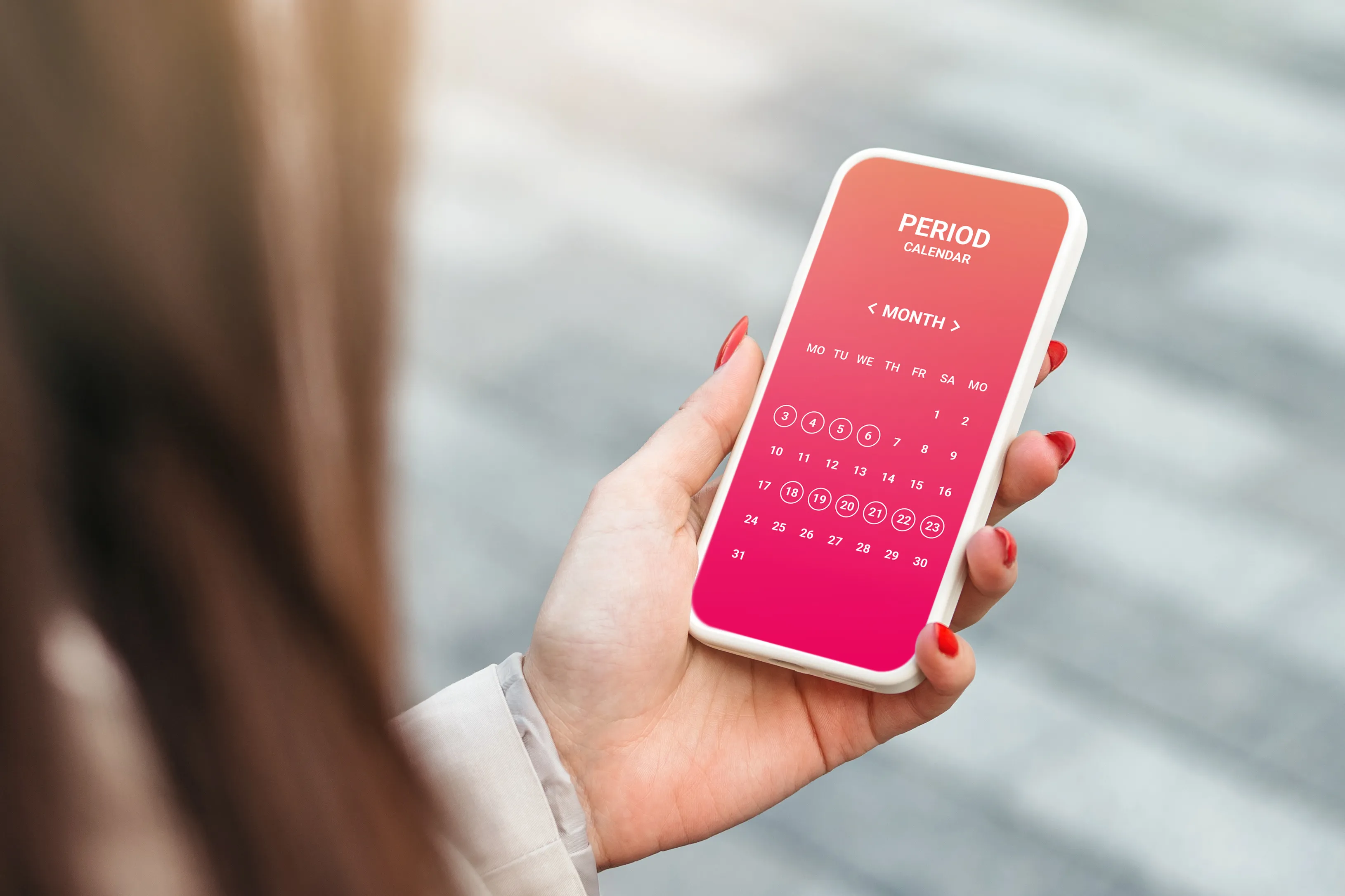
Choosing the best free period tracking app can feel overwhelming when dozens of options crowd the app store. For the millions of women managing their menstrual health, having a reliable tracker genuinely matters. Whether you want to predict your next cycle, log daily symptoms, or understand your fertile window, the right app can turn confusing body signals into useful patterns. This guide breaks down what to look for, how leading free apps compare, and when no app is a substitute for medical advice.

Why Use a Period Tracking App?

A menstrual cycle tracker does more than mark the date your period arrives. Over a few months of consistent logging, it can:

  • Predict your next period with reasonable accuracy, based on your personal cycle length
  • Flag fertile days using your cycle data, which is useful if you are planning or avoiding pregnancy
  • Help you spot patterns in mood, energy, sleep, or pain that repeat each cycle
  • Give you something concrete to share with a doctor when discussing irregular periods or symptoms

Are period tracking apps accurate? For women with regular cycles, predictions tend to be fairly reliable after two to three months of data. For those with irregular cycles, conditions like PCOS, or recent hormonal changes, predictions are less dependable. Apps work best as a log and a starting point for conversation, not as a medical device.

Key Features to Look for in a Free Period Tracker

Not every free app offers the same tools. Before downloading, check whether it covers these essentials.

Cycle prediction is the core function. A good app lets you log period start and end dates, then calculates your average cycle length to project future periods. Look for one that refines its estimate as you add more data over time.

A strong period symptom tracker lets you record cramps, bloating, headaches, energy levels, skin changes, and mood shifts each day. Richer logs make it easier to spot PMS patterns month to month.

An ovulation tracking app should highlight your estimated fertile window based on cycle length. Some apps also let you record basal body temperature or cervical mucus observations to make estimates more personal and accurate.

Other features worth checking before you commit:

  • Data export, ideally as a PDF or CSV, so you can share cycle history with a gynaecologist
  • Clear privacy controls, including the option to use the app with a passcode or without creating an account
  • Transparency about whether your data is sold or shared with third parties
  • Offline use, if you prefer not to store health data in the cloud

Top Free Period Tracking Apps Compared

The table below covers widely used options at the time of writing. Features and privacy policies change, so always verify the current app listing before you decide.

Clue

  • Standout Feature: Detailed symptom tracking and research-informed language
  • Free Feature: Offers core cycle and symptom tracking features
  • Privacy Note: Has an explicit policy against selling health data. Review the current privacy policy for the latest details.

Flo

  • Standout Feature: AI-based cycle prediction and a large community forum
  • Free Feature: Basic cycle tracking is available, while advanced features require a subscription
  • Privacy Note: Review the app's current data-sharing settings and privacy policy.

Ovia

  • Standout Feature: Fertility-focused logging and basal body temperature entry
  • Free Feature: Basic fertility and cycle tracking features
  • Privacy Note: Check the app's third-party data-sharing clauses before using it.

Maya

  • Standout Feature: India-specific content and Hindi language support
  • Free Feature: Basic period and symptom tracking
  • Privacy Note: As it is a smaller app, review its privacy policy carefully before entering personal health information.

Google Fit (Cycle Tracking)

  • Standout Feature: Integration with the Android health ecosystem
  • Free Feature: Cycle tracking through the Google health ecosystem
  • Privacy Note: Its data practices are governed by Google's privacy policy, so review the current policy before use.

Is Flo or Clue better? Both work well as a period tracker app free of charge for core features. Clue tends to appeal to users who want plain, research-informed language and granular symptom categories. Flo has a larger user base and a more social feel, but several useful features sit behind a paywall. The better choice depends on what you prioritise personally.

Period Tracking Apps and Data Privacy

Period and fertility data is among the most sensitive health information you can store digitally. Before entering data into any app:

  • Read the privacy policy, specifically the sections on data sharing and third-party sales
  • Choose apps that allow a PIN or biometric lock
  • Check whether data is stored locally on your device or on company servers, and in which country
  • Consider using a pseudonym or no account at all if the app supports offline use

Are period tracking apps safe? The apps themselves carry no direct medical risk, but the data risk is real. Laws protecting health information vary significantly between countries, and not all period apps meet medical-grade data standards. Indian users should verify whether the app complies with data protection rules in force at the time of use.

On adverse events: In the context of period tracking apps, an adverse event refers to health concerns arising from misuse of app predictions (for example, relying on fertile-window estimates as the sole method of contraception), as well as privacy or data security incidents. Report health concerns to your healthcare provider and data or privacy incidents to the relevant regulatory authority.

When to See a Doctor Instead of Relying on an App?

A fertility tracking app or menstrual cycle tracker is a helpful logging tool, not a diagnostic one. See a gynaecologist rather than relying on an app if you notice:

  • Cycles consistently shorter than 21 days or longer than 35 days
  • A missed period not explained by pregnancy, recent weight change, or significant stress
  • Bleeding between periods or after sex
  • Severe pain before or during your period that disrupts daily life
  • Sudden changes in flow that are considerably heavier or lighter than your usual
  • Symptoms suggesting hormonal imbalance, such as unexpected hair growth, acne, or marked mood changes

An app can help you document when symptoms started and how often they occur, which is genuinely useful information for your doctor. But the app cannot examine you, run tests, or provide a diagnosis.

Who Should Not Rely Solely on an App for Contraception?

Women who need reliable contraception should not use a period tracking app as their primary or only method. Cycle-based fertile-window estimates carry a meaningful failure rate, particularly for women with irregular cycles, those who are breastfeeding, or those who have recently stopped hormonal contraception. Speak with a gynaecologist about contraceptive options that suit your health needs.

Similarly, women trying to conceive who have been attempting pregnancy for 12 months or more (or 6 months if over 35) should seek medical advice rather than continuing to rely on app predictions alone.

Conclusion

The best free period tracking app is ultimately the one that fits your needs, is easy to use consistently, and gives you clear control over your personal health data. Apps such as Clue, Flo, Ovia, Maya, and Google Fit can help you record periods, monitor symptoms, and recognise cycle patterns, but their predictions are estimates rather than medical diagnoses. Use your tracker as a tool for understanding your menstrual health and sharing useful information with your doctor, rather than relying on it alone for contraception or fertility decisions. If your cycles become persistently irregular, unusually painful, or significantly different from your usual pattern, consult a gynaecologist for proper evaluation.

Medical Disclaimer

This article is for general informational purposes only and does not constitute medical advice, diagnosis, or treatment. Period tracking apps are consumer wellness tools, not regulated medical devices, and their predictions should not replace professional medical guidance. If you have concerns about your menstrual health, please consult a qualified gynaecologist or healthcare provider.

FAQs

What is the best free period tracking app in India?

Clue, Flo, and Maya are commonly used free options in India. Maya includes India-specific content and Hindi language support, which can make it more accessible, though all three apps offer core cycle tracking at no cost.
Do period tracking apps predict ovulation accurately?

For women with regular cycles, ovulation predictions are a reasonable estimate, typically placing ovulation around 14 days before the next expected period. They become less reliable with irregular cycles, stress, illness, or hormonal changes, so treat them as a guide rather than a certainty.

Can period trackers help diagnose PCOS?

No. An app can help you notice patterns such as consistently long or irregular cycles, which are worth discussing with a doctor, but only clinical tests including blood work and an ultrasound can diagnose PCOS or any other condition.

Is it safe to enter personal health data into period apps?

The main risk is data privacy rather than physical harm. Read each app's privacy policy before signing up, enable any available security locks, and avoid entering identifying information if the app allows anonymous use.

How many months of data does a period app need to predict cycles?

Most apps improve their predictions after two to three months of logged data. The more cycles you record, the more accurately the app can account for your individual variation.

Apollo 247 Floating Action Button