logo
0

Best Newborn Products: Complete Checklist for Parents

A pharmacist-reviewed checklist of essential newborn skincare and grooming products, safe usage tips, and when to consult a doctor.

article image

Dr.Mayank

Bringing a newborn home is one of the most joyful and overwhelming experiences a parent can have. Knowing which best newborn products to buy, and which to skip, can feel like a full-time job when every shelf and website promises something "essential." This checklist cuts through the noise with straightforward, safety-first guidance on what your baby's skin and grooming routine actually needs in those first weeks and months.

How to Choose Safe Products for Newborn Skin?

A newborn's skin is not simply "delicate." It is structurally different from adult skin. The outermost barrier, called the stratum corneum, is thinner, absorbs substances more readily, and loses moisture faster. This means anything you apply can penetrate more deeply, making ingredient safety genuinely important rather than just a marketing talking point.

When reviewing your newborn care products list, look for these criteria:

  • Fragrance-free, not just "unscented" (unscented products may still contain masking fragrances)
  • pH-neutral or slightly acidic, to match a baby's natural skin pH of around 5.5
  • Dermatologist-tested or hypoallergenic-tested on sensitive skin
  • Free from alcohol, parabens, strong preservatives, and sulfates
  • Short, readable ingredient lists

Avoid anything labeled only "natural" or "organic" without further qualification. Some natural ingredients, like certain essential oils, are highly irritating to newborn skin.

Essential Newborn Skincare Checklist

Building your baby skincare checklist category by category makes the process manageable. This section covers the core items every parent should have before the baby arrives.

Gentle Cleanser

Choose a mild, soap-free, fragrance-free wash designed for newborns. Tear-free formulas with a balanced pH are ideal. A single head-to-toe wash product is usually enough for the first few months. Look for cleansers with gentle surfactants like decyl glucoside rather than sodium lauryl sulfate, which can strip the skin barrier.

Moisturiser

Newborn skin loses water quickly, especially in air-conditioned rooms or dry climates. A simple, fragrance-free cream or lotion containing ingredients like glycerin, ceramides, or shea butter helps maintain the skin barrier. Apply while the skin is still slightly damp after a bath to lock in moisture. Thick creams generally work better than thin lotions for dry patches.

Diaper Cream or Barrier Paste

This is a newborn skincare essential no parent should skip. A zinc oxide-based barrier cream protects against diaper rash by forming a physical shield between the skin and moisture. Apply a thin layer at every nappy change when redness appears, or as a preventive measure if your baby is prone to irritation.

Baby Oil

A light mineral oil or plant-based oil (such as sunflower seed oil) can be used for baby massage, which supports bonding and may help with sleep. Use sparingly and always do a patch test first. Avoid olive oil on newborn skin, as research suggests it may disrupt the skin barrier in some infants.

Sunscreen

Standard sunscreen is not recommended for babies under six months. Keep infants out of direct sunlight and use clothing and shade as protection instead. After six months, a mineral sunscreen containing zinc oxide or titanium dioxide is the safest choice.

Essential Newborn Grooming Checklist

A newborn grooming kit does not need to be elaborate. The best newborn products for grooming are simple, purpose-built tools that prioritise safety over convenience. These are the items that genuinely earn their place on the shelf.

Trimming and Hair Care Tools

These simple grooming tools can help parents manage common newborn care needs safely and comfortably, from keeping tiny nails short to gently caring for the scalp. Choosing baby-specific tools and using them carefully can help prevent accidental scratches or skin irritation.

Nail Clippers or File

Newborn nails grow surprisingly fast and can cause facial scratches. A dedicated baby nail clipper with a safety guard, or a soft emery board, is safer than adult clippers. Many parents find it easiest to trim nails while the baby sleeps. Nail scissors with rounded tips are another option.

Soft-Bristle Hairbrush or Comb

A soft-bristle brush helps with cradle cap (seborrheic dermatitis), a common, harmless flaking of the scalp. Gently brushing after applying a little baby oil can loosen flakes before bath time. Choose a brush with natural or very soft synthetic bristles.
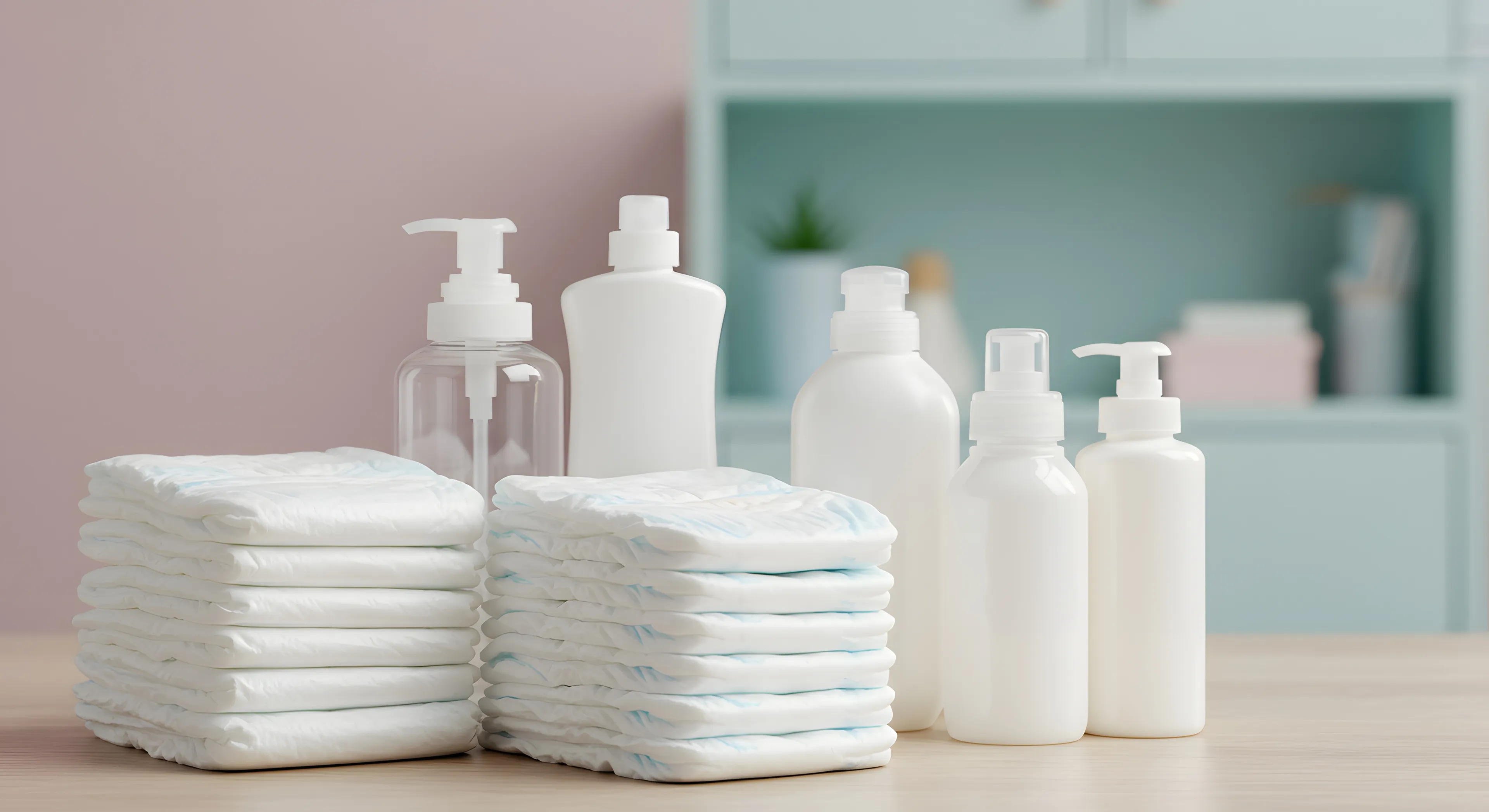
Hygiene and Health Essentials

Everyday hygiene and health supplies can make newborn care more manageable while helping parents respond to common concerns such as nasal congestion or fever. The following essentials should be used gently and according to age-appropriate safety guidance.

Cotton Wool Balls and Pads

Cotton wool is useful for gentle cleansing around the eyes (using cooled boiled water), cleaning skin folds, and general newborn care. It is softer than wipes for the first few weeks, and an important part of any newborn bath essentials setup.

Cotton Buds: Use With Caution

Standard cotton buds should never be inserted into a baby's ear canal. They are safe only for cleaning the outer ear, around the folds of the nostrils, or the belly button area when needed. Read the section below on umbilical cord care before using them near the cord stump.

Thermometer

A digital rectal or axillary (underarm) thermometer is a non-negotiable safety item. Ear thermometers can be used after three months. Forehead strip thermometers are not accurate enough for medical decisions. A fever in a baby under three months needs prompt medical attention.

Nasal Aspirator

A soft bulb syringe or battery-operated nasal aspirator clears congestion safely. Saline nasal drops (preservative-free, infant-formulated) can loosen mucus before suctioning.

Products and Ingredients to Avoid

Some ingredients that are fine for adults are genuinely problematic for newborn skin. These are the main ones to avoid when choosing safe baby products for skin:

  • Alcohol (ethanol or isopropyl alcohol) dries and irritates the skin barrier
  • Parabens (methylparaben, propylparaben) are absorbed easily through thin newborn skin
  • Synthetic fragrances are a leading cause of contact dermatitis in infants
  • Talc powder near the face or genitals carries an inhalation risk
  • Formaldehyde-releasing preservatives (such as quaternium-15) are sensitizing agents
  • Boric acid is toxic to infants even in small quantities
  • High concentrations of essential oils, such as tea tree or lavender in large amounts, can cause skin reactions

When in doubt, check the ingredient list rather than relying on the front-of-pack claims.

Contraindications and When to Avoid a Product

Even products marketed specifically for babies can cause problems in certain situations. Stop using any skincare product immediately if you notice:

  • Redness, hives, or a rash that appears within minutes to hours of application
  • Swelling around the application area
  • Unusual crying or distress after product contact with skin
  • Weeping, crusting, or worsening of an existing skin condition

Babies with a family history of eczema, atopic dermatitis, or food allergies are more likely to react to topical products. In these cases, consult a pediatrician or pediatric dermatologist before introducing anything beyond plain water in the first weeks.

Do not apply any new product to broken, infected, or inflamed skin without medical guidance. If your baby has a diagnosed skin condition, your newborn care products list should be confirmed by a doctor, not built from general checklists alone.

Report adverse events to your healthcare provider or the relevant regulatory authority.

Caring for Sensitive Newborn Areas

A few areas of newborn skin need particular attention beyond the standard routine.

  • Skin folds: The neck, armpits, groin, and behind the knees trap moisture and can become irritated or infected. Keep these areas clean and dry, and apply a gentle barrier cream if redness develops.
  • Umbilical cord stump: Keep the stump clean and dry. Fold the nappy down to allow air circulation, and sponge-bathe rather than fully immersing the baby until it falls off (usually within two to three weeks). For detailed guidance, read how to care for a newborn's belly button. If the area around the stump becomes red, swollen, or smells unusual, contact your pediatrician promptly.
  • Minor skin abrasions: Newborns can scratch themselves with their nails before you have a chance to trim them. For guidance on treating minor cuts and grazes safely, refer to Apollo's wound care resource.

Conclusion

Choosing the best newborn products does not mean filling your home with every item marketed for babies. A simple newborn care products list focused on gentle skincare, safe grooming tools, basic hygiene supplies, and essential health equipment is usually enough for the early weeks. Fragrance-free and mild formulations, appropriate cleaning practices, careful nail and scalp care, and safe handling of items such as thermometers and nasal aspirators can help protect your baby's delicate skin and support everyday care.

Every newborn's needs are different, particularly when there is a history of eczema, allergies, or an existing skin condition. Stop using a product if it causes redness, swelling, rash, weeping, or other signs of irritation, and seek medical advice when symptoms are persistent or severe. Keeping the routine simple and introducing new products cautiously can reduce unnecessary exposure while making newborn care easier and safer for parents.

FAQS

What products are essential for a newborn?

The core newborn care products list includes a gentle fragrance-free cleanser, a simple moisturizer, a zinc oxide barrier cream for diaper changes, and a baby oil for massage. For grooming, add a baby nail clipper, soft hairbrush, cotton wool, and a reliable digital thermometer.

Is baby oil safe for newborns?

Light mineral oil and sunflower seed oil are generally considered safe for newborn massage when used sparingly. Olive oil is best avoided, as some studies suggest it may weaken the skin barrier in young infants.

How often should you bathe a newborn?

Two to three times a week is enough for the first few months. Daily bathing can dry out a newborn's skin. Sponge baths are recommended until the umbilical cord stump falls off and, if applicable, the circumcision site heals.

Can newborns use adult moisturiser?

No. Adult moisturisers often contain fragrances, alcohols, or active ingredients that are too harsh for newborn skin. Always choose a product formulated and tested specifically for infant skin.

When should I consult a doctor about my baby's skin?

See a paediatrician if you notice a spreading rash, swelling, blistering, skin that oozes or crusts, or if your baby seems uncomfortable after applying any product. Fever alongside a skin change in a baby under three months always warrants immediate medical attention.

Apollo 247 Floating Action Button