logo
0

Best Newborn Wipes: Dermatologist-Approved Picks Compared

Compare dermatologist-approved wet wipes and diaper wipes for newborn skin. What ingredients to avoid, how to choose, and when to see a doctor.

article image

Dr.J.T.Hema Prathima

Choosing the best newborn wipes feels straightforward until you are standing in a pharmacy aisle facing dozens of nearly identical packs. For a newborn, whose skin barrier is still maturing and absorbs topical chemicals more readily than adult skin, the choice genuinely matters. The wrong wipe can trigger redness, dryness, or contact dermatitis within hours. This guide breaks down what separates a safe wipe from a risky one and helps you make a confident, informed choice for your baby.

Wet Wipes vs Diaper Wipes: What's the Difference?

People often use both terms interchangeably, and in most baby-care aisles, they largely overlap. There is still a practical distinction worth knowing.

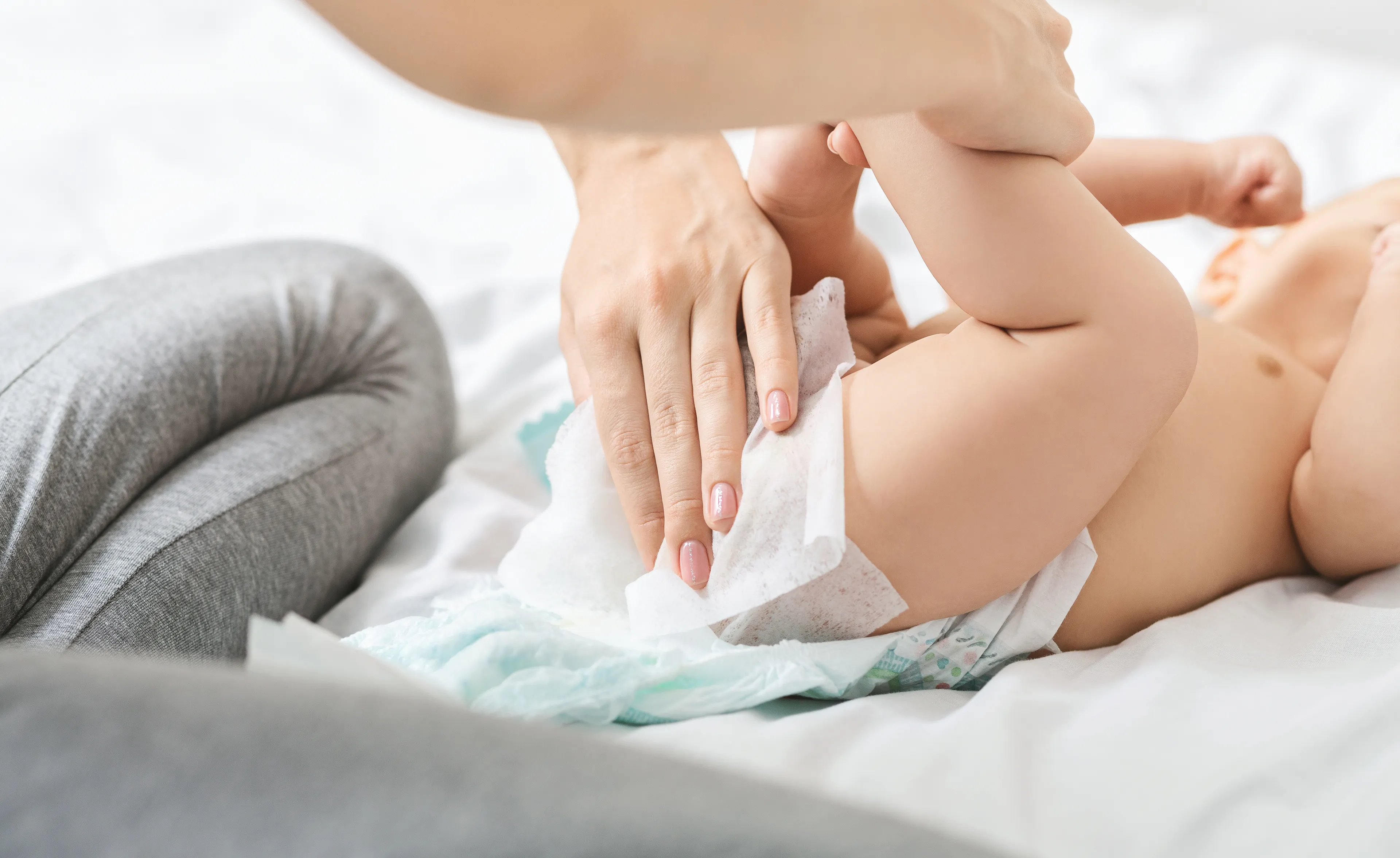
Diaper wipes are specifically designed for the nappy area. They are usually thicker, more saturated with cleansing solution, and formulated to break down urine and stool without aggressive rubbing. The perianal skin of a newborn is especially sensitive, so these wipes tend to have the most scrutinised ingredient lists.

Wet wipes is a broader category. It includes newborn diaper wipes but also face wipes, hand wipes, and multipurpose travel wipes. Some are safe for the whole body; others contain preservatives or light fragrances that are fine on hands but irritating around the genitals.

For day-to-day diaper changes, look for a product specifically labelled as a newborn diaper wipe or safe for the nappy area. For face and hands between baths, a gentle wet wipe with a minimal ingredient list works well, provided it passes the checks below.

What Makes a Wipe Dermatologist-Approved for Newborns?

The phrase "dermatologist-approved" or "dermatologist-tested" on packaging means a dermatologist has reviewed the formulation or overseen a skin-tolerance study. It is a positive signal, not a guarantee, so you still need to read the label.

Ingredients to Avoid

  • Alcohol (ethanol or isopropyl alcohol) strips the natural lipid barrier and dries out delicate skin.
  • Added fragrances, even "natural" ones, are among the most common triggers of allergic contact dermatitis in babies.
  • Parabens such as methylparaben or propylparaben are preservatives many paediatricians prefer to avoid in newborn care.
  • Formaldehyde-releasing preservatives like DMDM hydantoin or diazolidinyl urea can cause sensitisation over repeated use.
  • Strong surfactants such as sodium lauryl sulfate can disrupt the developing skin barrier.
  • Chlorhexidine at higher concentrations, sometimes found in antiseptic wipes, is too harsh for routine newborn skin care.

Ingredients That Signal a Gentler Formula

  • Purified or distilled water as the first and primary ingredient.
  • Mild preservatives such as phenoxyethanol at low concentrations.
  • Soothing agents like aloe vera, chamomile extract, or panthenol, provided the baby has no known plant sensitivities.
  • A pH in the range of 5 to 6, which matches newborn skin's natural slightly acidic environment and supports protection against microbial overgrowth.

Wipes for sensitive newborn skin that carry dermatologist-approved baby wipes labelling alongside a readable, short ingredient list are the ones worth trusting.

How to Choose Baby Wipes for Your Newborn?

Knowing how to choose baby wipes is mostly about prioritising simplicity. Fewer ingredients mean fewer opportunities for irritation. Use this checklist before adding a pack to your cart.

  • Texture matters: choose soft, non-woven fabric rather than rough or exfoliating materials. The wipe should glide without tugging.
  • A thicker wipe requires fewer sheets per change, which reduces friction on already-sensitive skin.
  • Chemical free baby wipes, formulated with water plus a minimal, well-studied preservative, are the safest starting point, especially in the first few weeks.
  • Choose unscented wipes for babies. "Unscented" is not always the same as "fragrance-free" on every label, so check both terms.
  • Biodegradable or plant-based options are increasingly available and can be a responsible choice, but confirm they are flushable only if explicitly labelled as such.
  • Patch-test before full use: wipe a small area of the inner forearm or thigh, wait 30 minutes, and look for redness or hives before proceeding.

When you know how to choose baby wipes with this checklist in hand, comparing brands becomes much quicker.

When to Avoid Wipes and Use Water Instead?

There are specific situations where even the gentlest wipe is not the right tool.

The First Few Days

Newborn skin in the first 48 to 72 hours is still covered in vernix, the waxy protective coating formed in the womb. Many neonatologists recommend leaving vernix to absorb naturally and cleaning only with warm water and soft cotton wool during this window.

Umbilical Cord Care

Do not use wipes around the umbilical stump. The area needs to stay dry to separate cleanly and avoid infection. Moisture from wipes, even unscented ones, can slow that process and raise the risk of omphalitis. Fold the diaper below the stump to keep it dry. For detailed guidance, see how to care for a newborn's umbilical cord.
Active Rashes or Broken Skin

If your baby has an active diaper rash, raw skin, or any broken or weeping skin, pause wipe use entirely. Even gentle wipes sting on compromised skin and can introduce preservatives into the wound. Plain warm water and gentle patting dry is the right approach. For guidance on managing minor skin wounds, see best treatment for minor skin cuts and wounds.

Who Should Not Use Standard Baby Wipes?

Certain situations call for avoiding commercial wipes altogether.

  • Babies with diagnosed eczema or atopic dermatitis: consult a paediatric dermatologist before using any commercial wipe, as even minimal preservatives can flare these conditions.
  • Premature infants: preterm skin is significantly more permeable; only products recommended by the neonatal unit should be used.
  • Any baby with a known allergy to an ingredient in the wipe formulation.
  • Skin that is actively broken, bleeding, or infected.

In all these cases, plain water and soft cotton wool are the safest default until a doctor advises otherwise.

Signs of Skin Irritation and When to See a Doctor

Watch for these signs that a wipe may be irritating your baby's skin.

  • Redness or a rash that appears in the area where the wipe is used and clears when you stop using it.
  • Persistent redness lasting more than 24 to 48 hours despite switching products and keeping the area clean and dry.
  • Raised, hive-like welts or swelling, which may point to a true allergic reaction rather than simple irritation.
  • Skin that becomes raw, weeping, or shows any signs of infection such as warmth, oozing, or spreading redness.

If you notice any of these signs, stop using the wipe immediately and consult your paediatrician. Allergic reactions can escalate quickly in newborns, so a same-day call to your doctor is appropriate if hives or swelling appear.

Report any adverse events related to baby skincare products to your healthcare provider. You can also report them to the Central Drugs Standard Control Organisation (CDSCO) through its online portal, or to the nearest pharmacovigilance centre under the Pharmacovigilance Programme of India (PvPI). Prompt reporting helps regulators identify patterns and protect other families.

Conclusion

Choosing the best newborn wipes is less about a particular brand and more about finding a product that is gentle, fragrance-free, alcohol-free, and suitable for your baby’s sensitive skin. A simple ingredient list, soft texture, and minimal use can help reduce unnecessary irritation during everyday nappy changes.

For newborns, especially those with eczema, premature skin, active rashes, or broken skin, warm water and soft cotton wool may be a better option until a healthcare professional advises otherwise. If redness, swelling, hives, or persistent irritation develops after using a wipe, stop the product and speak with your paediatrician. Paying attention to your baby’s individual skin response is the most reliable way to build a safe and comfortable skincare routine.

FAQ

Are water wipes better than regular baby wipes?

Water wipes, typically 99 to 99.9 percent water with a single mild preservative, carry the lowest risk of irritation and are a strong choice for newborns. They may be less effective at cleaning heavy soiling than a thicker, more formulated diaper wipe, so many parents use both depending on the situation.

How often should newborn skin be wiped?

Wipe the nappy area at every diaper change, and the face and hands only when visibly soiled. Unnecessary wiping removes natural skin oils and can disrupt the developing barrier, so less is more outside of diaper changes.

Can newborn wipes cause diaper rash?

Yes, they can, particularly if the wipe contains fragrances, preservatives, or harsh surfactants that irritate the perianal skin over repeated use. Switching to an unscented, minimal-ingredient wipe and ensuring the area is fully dry before re-diapering usually resolves irritation-driven rash.

Are alcohol-free wipes necessary for newborns?

Alcohol-free wipes are strongly recommended for newborns. Alcohol dries and damages the skin barrier, which is still developing in the first few months of life, making the skin more vulnerable to irritation and infection.

When can I start using regular baby wipes on my newborn?

Many parents use gentle, dermatologist-approved wipes from birth for diaper changes. For the face and hands, the first two to four weeks are best managed with warm water and cotton wool, then you can gradually introduce a mild wet wipe once you know the baby's skin tolerates it well.

Apollo 247 Floating Action Button