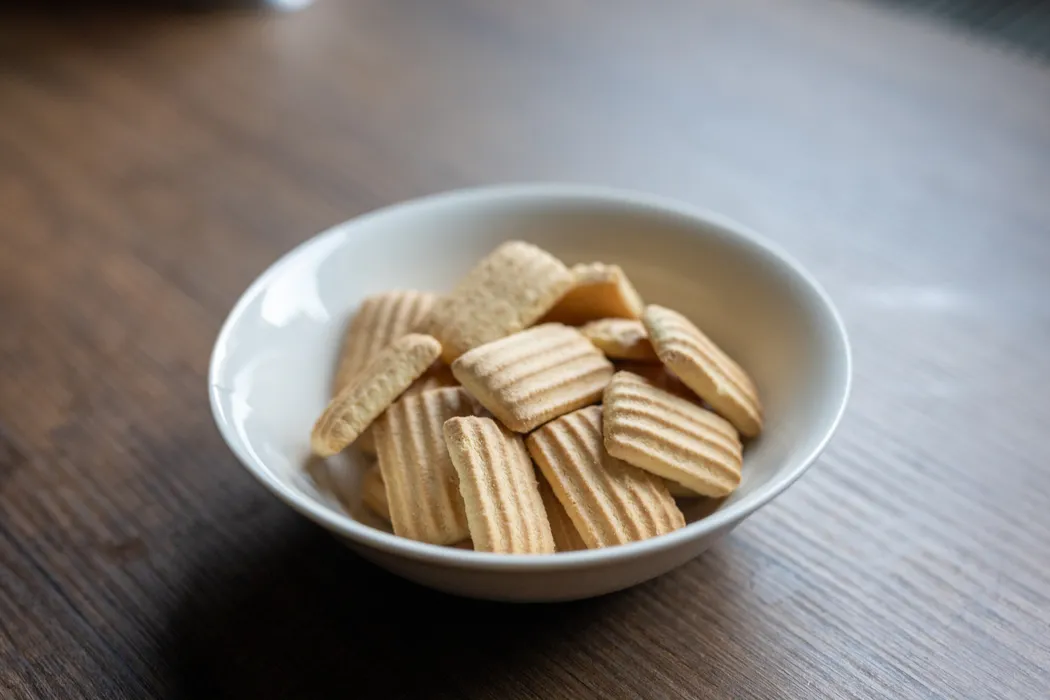
Wondering which biscuit is good for babies? Discover safe options, ingredients to avoid, and healthy baby food essentials for home and travel.
Dr.Vasantha Sree
Starting solid baby food is a thrilling milestone for parents. As your little one transitions from milk to solids, you might find yourself wandering down the grocery aisle wondering, which biscuit is good for babies? It is highly convenient to reach for baby food biscuits during snack time, especially when you need a quick bite. However, before you let your baby eat biscuits, it is vital to understand what goes into these baked treats and whether they are truly suitable for your infant's developing body.
In this comprehensive guide, we will break down the safety of biscuits for infants, explore healthier alternatives, and help you choose the best options for your growing baby.
Age-by-Age Guide: Can I Give My Baby Biscuits?
A baby’s digestive system and feeding skills develop rapidly during the first year of life. Introducing foods at the appropriate stage and preparing them safely can help reduce choking risks and support healthy eating habits.
Baby's Age
Safe Recommendation
Under 6 Months
Avoid biscuits and other solid foods. Breast milk or infant formula should remain the primary source of nutrition.
Around 6 to 12 Months
Biscuits are generally unnecessary. If offered, choose an age-appropriate product with simple ingredients, no added sugar where possible, and a texture that is easy to manage safely.
12 Months and Older
Biscuits can be offered occasionally in moderation, but choose options with less added sugar and salt and prioritise whole, nutrient-dense foods.
Can I Give Biscuits to My 5-Month Baby?
Many parents ask: can I give biscuits to my 5 month baby? Health organisations, including the World Health Organization (WHO), recommend exclusive breastfeeding for the first six months, with complementary foods introduced at around six months when the baby is developmentally ready. A 5-month-old should therefore not be given biscuits.
Can I Give Biscuits to My 6-Month or 7-Month Baby?
What about slightly older infants? You might wonder, can I give biscuits to my 6 month baby or can I give biscuits to my 7 month baby? At around six months, babies can start eating complementary foods when they show signs of readiness, but standard biscuits are generally not recommended as a regular infant food.
At this stage, your baby is still learning to manage different textures. Hard, dry, or crumbly biscuits can pose a choking risk. Commercial biscuits can also contain added sugar and salt, which are best limited during infancy.
Can I Give Biscuits to My 1-Year-Old Baby?
If you are asking, can I give biscuits to my 1 year old baby, the answer is yes, but moderation and ingredient selection are important. By one year, a toddler can generally manage a wider range of textures, provided foods are prepared safely.
Choose biscuits with simple ingredients and lower amounts of added sugar and salt. Biscuits should be an occasional snack rather than a replacement for nutrient-rich foods such as fruit, vegetables, whole grains, dairy products, eggs, pulses, and other sources of protein.
Commercial Biscuits: Are They Safe?
Let’s talk about popular household names. Many families rely on classic biscuits as quick snacks. Parents often ask: is Parle-G biscuit good for babies or is Milk Bikis biscuit good for babies?
While these products may be convenient and affordable, they are not designed to provide the balanced nutrition babies need. Many commercial biscuits contain refined wheat flour, added sugar, salt, and added fats. They may therefore provide fewer nutrients than whole foods and should not become a regular part of an infant's diet.
So, Is Biscuit Good for Babies?
Generally, standard store-bought biscuits are not the best choice for babies. If you look at the packaging of most commercial biscuits, you may find refined flour, added sugar, sodium, and other ingredients that do not provide much nutritional value.
If you are trying to figure out what biscuits are good for babies, look for options with simple ingredients, lower amounts of added sugar and salt, and whole-grain ingredients where possible. Alternatively, you can prepare biscuits at home using ingredients such as ragi, oats, or whole-wheat flour.
The Debate Around Arrowroot Biscuits
Speaking of arrowroot, many parents ask: is arrowroot biscuit good for babies? Arrowroot biscuits have traditionally been used as a mild-tasting snack because arrowroot starch is easy to digest.
However, an arrowroot biscuit is not automatically a healthier choice simply because it contains arrowroot. Check the ingredient list and choose options without unnecessary added sugar, excessive salt, or unhealthy fats. Homemade versions can be prepared with simple ingredients and an appropriate texture.
When researching which biscuits are good for babies, or specifically which biscuits are good for babies in India, you need to read the ingredient labels carefully.
Here are ingredients to avoid:
Refined Flour (Maida): Provides less fibre and fewer nutrients than whole-grain alternatives.
Refined Sugar and Salt: Added sugar and excess sodium are best limited during infancy and early childhood.
Hydrogenated Fats and Trans Fats: Avoid products containing industrial trans fats and choose biscuits made with healthier fat sources where possible.
Artificial Flavours and Unnecessary Preservatives: Choose products with simple ingredient lists and avoid unnecessary additives where possible.
A great alternative is a homemade biscuit. You can make nutrient-dense baby food biscuits using whole wheat, ragi (finger millet), or oats, with mashed banana or fruit puree for natural sweetness. Understanding which biscuit is good for babies means selecting foods that offer nutritional value rather than relying on biscuits as a routine snack.
What About Rusks?
Another common snack is rusk. Many parents ask: is rusk good for babies? Hard rusks can be difficult for babies to manage safely and may pose a choking risk. Commercial rusks may also contain added sugar and refined flour.
If you choose a rusk for an older baby who is developmentally ready, select an age-appropriate product with simple ingredients and always supervise your baby while eating.
Healthy Snacks and Baby Travelling Food Essentials
Snacks are useful, especially when you are on the go. Finding convenient baby travelling food can be challenging. If you are packing food for an 8 month old baby while travelling, you want options that are practical, nutritious, and appropriate for your baby's developmental stage.
While it is tempting to pack a box of standard biscuits, there are healthier ready-made baby food alternatives available. Instead of relying purely on packaged biscuits, consider packing suitable fruit puree for a baby who is around 6 months or older. Providing nutrient-rich fruit puree can help your child get vitamins and fibre without relying on processed snacks.
For older infants, packing ready-made baby food such as suitable oat puffs, soft fruit pieces, or other age-appropriate foods can be a practical option. Stocking up on healthy baby food essentials such as freeze-dried fruits, suitable unsalted snacks, or age-appropriate teething foods can also make travelling easier. Always check the texture, ingredients, storage requirements, and age suitability of packaged foods.
Meal Ideas and Snacks for Toddlers (18 Months)
As your baby grows into a toddler, their dietary needs expand. Planning 18 month baby food requires a balance of proteins, healthy fats, complex carbohydrates, fruits, and vegetables to support their growth and activity levels.
During this stage, snack time can feature more solid, textured options. For 18 months baby food, you can serve homemade oat biscuits, whole-wheat pancakes, or sliced fruits. While a toddler can manage a wider variety of foods, keeping baby food 18 months plans low in refined sugar remains important for supporting healthy eating habits and dental health.
Here are some excellent snack ideas for an 18-month-old:
Mash Banana Oatmeal Cookies: A healthy homemade alternative to commercial biscuits.
Steamed Apple Slices: Serve soft apple slices with a little cinnamon if your child tolerates it.
Plain Yoghurt: Mix with a spoonful of natural fruit puree.
Whole-Grain Toast Fingers: Serve with a thin layer of smooth nut butter if nuts have already been introduced safely.
Summary: Key Points on Which Biscuit Is Good for Babies
When wondering which biscuit is good for babies, remember that biscuits should not replace nutrient-dense foods. Homemade, whole-grain options with little or no added sugar and appropriate textures can be preferable to highly processed commercial biscuits.
Avoid biscuits for babies under 6 months, when complementary foods have not yet been introduced. For older babies, focus on safe textures, simple ingredients, and close supervision. As children grow, biscuits can be offered occasionally while prioritising nutritious foods that support their growth and development.
FAQS
Are biscuits good for babies under 6 months?
No. Infants under 6 months should generally receive breast milk or infant formula rather than solid foods. Biscuits are not appropriate for this age group.
Can I give my baby biscuits when they are teething?
It is better not to rely on hard biscuits or rusks to soothe teething gums because hard foods can present a choking risk. Instead, consider a suitable chilled teething toy or appropriately prepared soft, chilled foods for babies who have started complementary feeding.
How can I make healthy biscuit baby food at home?
You can make simple homemade biscuits using ingredients such as rolled oats or ragi flour with mashed banana or apple puree. You can add a small amount of ghee or another suitable fat. Avoid adding sugar and keep the final texture appropriate for your baby's developmental stage.
Can I rely on ready-made baby food biscuits while travelling?
It is best to limit commercial biscuits even during travel. Depending on your baby's age and developmental stage, healthier options can include suitable fruit purees, freeze-dried fruit, appropriately prepared soft foods, or age-appropriate snacks with simple ingredients.
Why is refined flour (maida) bad for my baby?
Refined flour has less fibre and fewer nutrients than whole-grain alternatives. It can therefore provide less nutritional value than foods made with whole grains. For babies and toddlers, prioritising a varied diet containing whole grains, fruits, vegetables, and protein-rich foods is more beneficial.