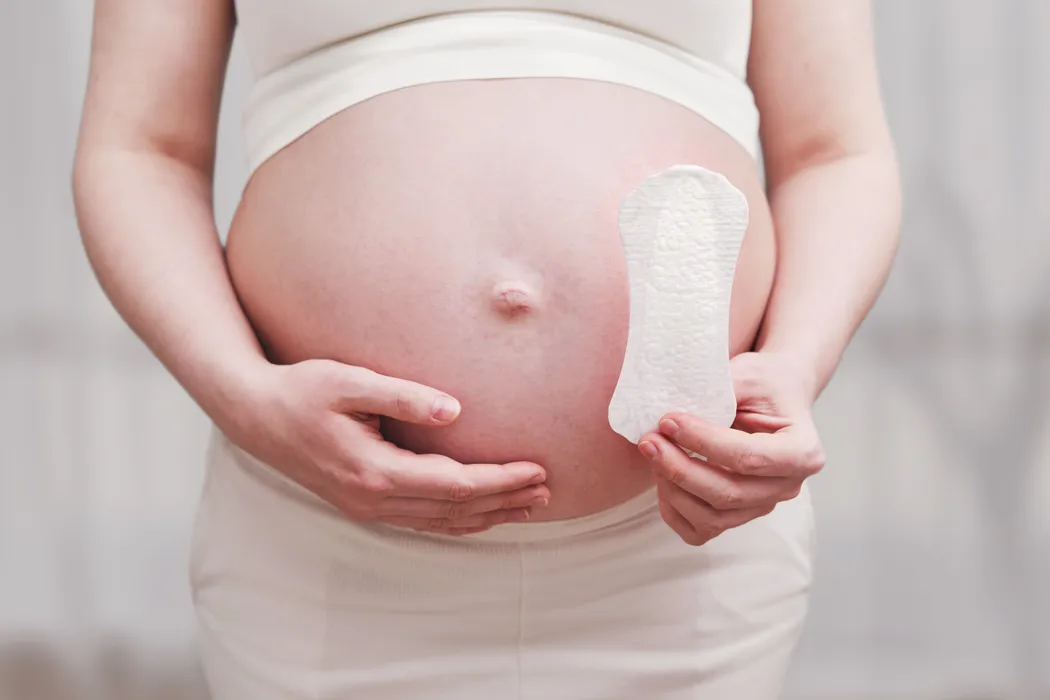
Learn about bleeding during pregnancy, possible causes in each trimester, warning signs that need urgent medical attention, and how pregnancy bleeding is assessed and treated.
Bleeding during pregnancy can be worrying, but it does not always mean that something is wrong. Light spotting can occur for several reasons, particularly during early pregnancy. However, bleeding can also be a sign of a condition that needs medical assessment.
This guide explains the possible causes of bleeding during each trimester, the symptoms that need urgent attention, how doctors investigate pregnancy bleeding and what treatment may be recommended.
Bleeding during pregnancy is not considered a normal menstrual period, but light spotting can occur, particularly during the first trimester. Some people may have spotting and continue to have a healthy pregnancy.
The amount, colour, duration and associated symptoms can provide useful information, but they cannot establish the cause of bleeding on their own.
Light spotting may appear as a few spots of pink, red or brown blood on underwear or toilet tissue.
Heavier bleeding may require a sanitary pad and can sometimes include clots.
Severe or persistent abdominal or pelvic pain alongside bleeding needs prompt medical assessment.
Bleeding later in pregnancy requires assessment by your maternity team, even if it is not painful.
If you notice vaginal bleeding during pregnancy, contact your doctor, midwife or maternity service for advice about the appropriate level of care.
What Can Cause Bleeding During Each Trimester?
The causes of bleeding can differ depending on how far along the pregnancy is. Some causes are relatively minor, while others require urgent assessment.
First Trimester Bleeding
Bleeding during the first trimester can have several causes.
Light bleeding or spotting can sometimes occur around the time an early pregnancy becomes established. It can also occur because the cervix becomes more sensitive and has an increased blood supply during pregnancy. Sexual intercourse or a pelvic examination may sometimes cause light spotting.
Other possible causes include miscarriage, ectopic pregnancy and a subchorionic haematoma, which is a collection of blood between the pregnancy tissues and the wall of the uterus.
Miscarriage may cause vaginal bleeding with abdominal or pelvic cramping and, in some cases, passage of clots or pregnancy tissue. However, bleeding does not always mean that a miscarriage has occurred.
An ectopic pregnancy occurs when a pregnancy develops outside the uterus, most commonly in a fallopian tube. One-sided abdominal or pelvic pain, vaginal bleeding, shoulder-tip pain, dizziness or fainting can be warning signs and require urgent medical attention.
Second Trimester Bleeding
Bleeding during the second trimester is less common and should be assessed by a healthcare professional.
Possible causes include cervical changes, vaginal or cervical infection, problems involving the placenta and, less commonly, pregnancy loss. The location of the placenta is usually assessed during pregnancy scans, as a low-lying placenta can sometimes cause bleeding.
Contact your maternity team promptly if you have any vaginal bleeding during the second trimester.
Third Trimester Bleeding
Bleeding during the third trimester needs prompt medical assessment because it can sometimes be associated with problems involving the placenta or the onset of labour.
The table below summarises some possible causes and their typical features.
Cause
Possible features
Placenta praevia
Usually painless vaginal bleeding, often bright red
Placental abruption
Vaginal bleeding may occur with abdominal or back pain and uterine tenderness, although the amount of visible bleeding can vary
Bloody show
Small amount of blood mixed with mucus as the cervix changes before or during labour
Vasa praevia
Rare bleeding caused by fetal blood vessels near the cervix being damaged, which can result in rapid fetal blood loss
Placenta praevia, placental abruption and vasa praevia require urgent assessment. A bloody show can occur as labour approaches, but bleeding that is heavy, persistent or difficult to distinguish from another cause should be assessed by your maternity team.
What Are the Warning Signs of Pregnancy Bleeding?
Seek urgent medical attention if you have bleeding during pregnancy together with:
Severe or worsening abdominal, pelvic or back pain
Severe pain that is mainly on one side, particularly in early pregnancy
Heavy vaginal bleeding
Passage of large clots or pregnancy tissue
Severe dizziness, fainting or marked weakness
Shoulder-tip pain, particularly with abdominal pain or dizziness
Fever or feeling significantly unwell
Reduced fetal movements after you have established your baby's usual movement pattern
A gush or continuous leakage of fluid from the vagina
Do not wait for a routine appointment if you have significant bleeding or any of these symptoms. The appropriate response depends on your stage of pregnancy and symptoms, but some causes require immediate treatment.
What Precautions Should You Take if You Have Bleeding During Pregnancy?
If you are bleeding during pregnancy, contact your doctor, midwife or maternity team for advice. Until you have received appropriate advice:
Do not insert tampons or other products into the vagina.
Avoid self-treating the bleeding with medicines or herbal products.
Do not start a new medicine or supplement without checking with your doctor or pharmacist.
If you have been advised to avoid sexual intercourse or strenuous activity, follow that advice until your healthcare professional tells you otherwise.
Keep track of the amount, colour and duration of the bleeding and any associated pain or other symptoms.
Do not stop prescribed medicines without medical advice. If you take medicines that can affect bleeding or are taking low-dose aspirin prescribed during pregnancy, speak with your doctor before making any changes.
How Is Bleeding During Pregnancy Diagnosed?
Your healthcare professional will assess the bleeding alongside your stage of pregnancy, symptoms and medical history.
Depending on the circumstances, assessment may include:
An examination to identify where the bleeding is coming from
An ultrasound scan to assess the pregnancy and, later in pregnancy, the placenta
Blood tests, including hCG testing during early pregnancy when appropriate
A blood count to assess for significant blood loss
Blood group testing when clinically indicated
If you have Rh-negative blood, your healthcare professional may recommend anti-D immunoglobulin after certain bleeding episodes, depending on your stage of pregnancy and local clinical guidance.
How Is Bleeding During Pregnancy Treated?
Treatment depends on the cause, the amount of bleeding, your stage of pregnancy and your overall condition.
Minor cervical bleeding may settle without specific treatment once the cause has been assessed.
A suspected miscarriage may require monitoring, repeat ultrasound or other treatment depending on the findings and whether pregnancy tissue remains in the uterus.
An ectopic pregnancy requires urgent treatment, which may involve medicine or surgery depending on the circumstances.
Placenta praevia and placental abruption require specialist maternity care.
Treatment may include monitoring in hospital and, when necessary, delivery.
Vasa praevia requires urgent specialist management because of the risk of fetal blood loss.
There is no safe way to determine the cause of pregnancy bleeding at home. Even if bleeding stops, tell your healthcare professional about it so they can decide whether further assessment is needed.
Conclusion
Bleeding during pregnancy can occur for several reasons, and light spotting does not always mean that a pregnancy is ending. However, bleeding should not be assumed to be harmless, particularly when it is heavy, persistent or accompanied by pain or other symptoms.
If you notice vaginal bleeding during pregnancy, contact your doctor, midwife or maternity team for appropriate advice. Seek urgent medical attention for heavy bleeding, severe abdominal or pelvic pain, fainting, severe dizziness, shoulder-tip pain or reduced fetal movements after you have established your baby's usual pattern.
FAQS
Can bleeding during pregnancy mean that the baby is healthy?
Yes. Some people experience light spotting during pregnancy and continue to have a healthy pregnancy. However, bleeding can have several causes, so its presence or amount alone cannot confirm whether the pregnancy is progressing normally. Your healthcare professional can advise whether assessment is needed.
How long can light spotting last during pregnancy?
The duration varies depending on the cause. Some episodes of light spotting are brief, while other causes can result in bleeding that lasts longer. Persistent, recurrent or increasing bleeding should be assessed by your doctor or maternity team.
Does bleeding during pregnancy always mean miscarriage?
No. Bleeding can occur for several reasons and does not always indicate miscarriage. However, bleeding accompanied by abdominal or pelvic pain, clots or passage of pregnancy tissue requires medical assessment.
Can stress cause bleeding during pregnancy?
Stress is not generally considered a direct cause of vaginal bleeding during pregnancy. If you experience bleeding, it is better to have the cause assessed rather than assuming that stress is responsible.
When should I seek urgent help for bleeding during pregnancy?
Seek urgent medical attention if you have heavy bleeding, severe or worsening abdominal or pelvic pain, severe dizziness, fainting or shoulder-tip pain. Later in pregnancy, bleeding or reduced fetal movements after you have established your baby's usual pattern also require prompt maternity assessment.