logo
0

Blood Pregnancy Test Positive: HCG Levels & Next Steps

Got a positive blood pregnancy test? Learn what HCG levels mean, how results are interpreted, when to seek medical care, and what to expect after confirmation.

article image

Dr.Rohini priyanaka

Blood Pregnancy Test Positive: What It Means and What to Do Next

Receiving a blood pregnancy test positive result can bring a rush of emotions, and it is natural to have questions before your first doctor's visit. A blood test is one of the earliest and most reliable ways to confirm pregnancy, detecting the hormone human chorionic gonadotropin (HCG) in your bloodstream. Understanding what your result means, what the numbers indicate, and what to do next can help you move forward with confidence.

What Does a Positive Blood Pregnancy Test Mean?

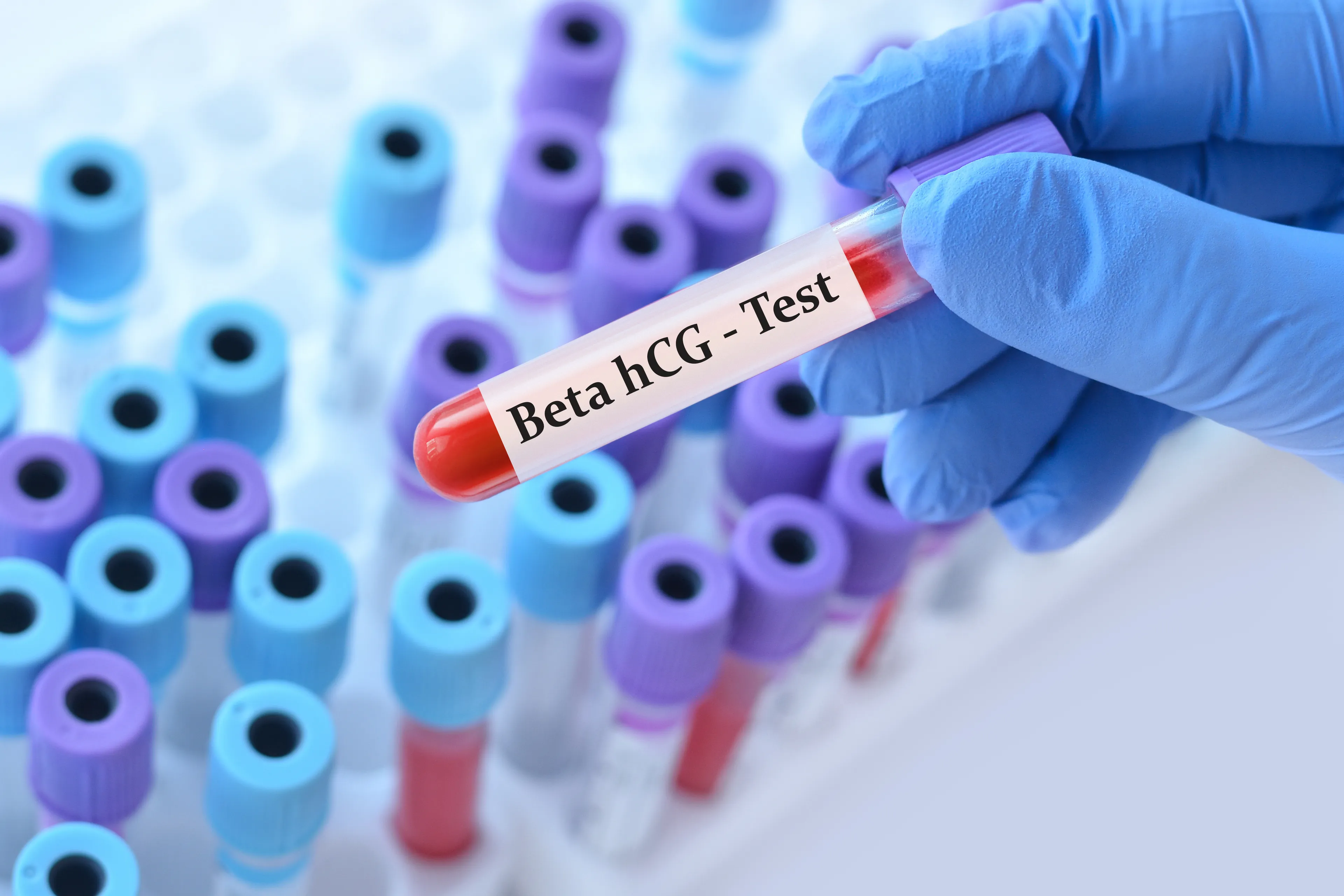
A blood pregnancy test looks for HCG, a hormone produced by cells that form the placenta shortly after a fertilised egg implants in the uterus. There are two types of test your doctor may order.

  • A qualitative beta HCG blood test simply confirms whether HCG is present. A positive result means HCG was detected, which indicates pregnancy.
  • A quantitative HCG test measures the exact concentration of HCG in your blood in milli-international units per millilitre (mIU/mL), helping your doctor track how the pregnancy is progressing.
     

When a blood pregnancy test is positive, it generally means a pregnancy is present, though your doctor will consider your full clinical picture before drawing any conclusions.

Understanding HCG Levels After a Positive Result

HCG levels vary significantly from person to person, and there is a wide range of what is considered normal. HCG levels usually rise rapidly during early pregnancy, but the rate of increase varies between individuals and depends on the starting HCG level. A single HCG measurement is therefore not enough to determine whether a pregnancy is progressing normally; clinicians may use repeat measurements alongside symptoms and ultrasound findings when indicated.

HCG Levels by Week of Pregnancy

The table below shows approximate HCG ranges by week. These are reference values only. Your own levels may fall outside these ranges and still indicate a healthy pregnancy.  

Weeks Since Last Menstrual PeriodApproximate HCG Range (mIU/mL)
3 to 4 weeks5 to 426
4 to 5 weeks18 to 7,340
5 to 6 weeks1,080 to 56,500
6 to 7 weeks7,650 to 229,000
7 to 12 weeks25,700 to 288,000
Second trimester13,300 to 254,000

A single HCG value is rarely enough to assess a pregnancy on its own. When a blood pregnancy test is positive and the level seems unexpectedly low or high, your doctor will usually repeat the test every 48 hours. The rate of rise in HCG levels by week tells far more than any single reading. Tracking the HCG levels chart pregnancy week by week is a standard part of early antenatal monitoring.

When to Take a Blood Pregnancy Test for Accurate Results

Knowing when to take a blood pregnancy test matters because testing too early can produce a borderline result that needs repeating. Laboratory blood tests can detect lower concentrations of HCG than many urine pregnancy tests and may therefore detect pregnancy earlier. However, the actual timing depends on the assay used and when implantation occurred.HCG begins to rise after implantation and can subsequently be detected in blood. The timing of detectable HCG varies depending on when ovulation, fertilisation, and implantation occurred.

  • A blood pregnancy test may detect pregnancy before a missed period because laboratory blood assays can detect relatively low concentrations of HCG. However, testing too early can still produce a negative result, so timing should be considered when interpreting the result.
  • Home urine tests require HCG to reach a higher concentration before they turn positive, which takes a few more days.

If you have irregular cycles or are unsure when you ovulated, testing around the time of a missed period gives the most reliable results. If your cycles are regular and you have a reason to test early, for example after fertility treatment, your doctor can advise on the best timing. A borderline or very low result on an early test does not necessarily mean the pregnancy is not viable; a repeat test in 48 hours is usually recommended.

Can a Blood Pregnancy Test Be Falsely Positive?

A false positive blood pregnancy test is uncommon but does occur. When it happens, HCG is detected even though a viable pregnancy is not present. Known causes include:

  • After a miscarriage or termination, HCG does not disappear immediately and may remain detectable for some time as levels gradually fall. The time required for HCG to become undetectable varies depending on the pregnancy and the starting HCG level.
  • Fertility treatments that involve HCG injections as part of ovulation induction, which can temporarily raise HCG levels.
  • Certain rare tumours that secrete HCG, including gestational trophoblastic disease and, in very uncommon cases, some non-gynaecological cancers.
  • A chemical pregnancy, which is a very early pregnancy loss occurring shortly after implantation.
  • Laboratory error, uncommon but possible.

If a blood pregnancy test positive result seems inconsistent with your symptoms or recent history, your doctor may repeat the quantitative HCG test or order additional investigations to clarify the picture.

Contraindications and Conditions Affecting Test Accuracy

Certain medical situations can change how HCG results should be interpreted. These are important for your clinician to know about.

  • In an ectopic pregnancy, HCG levels may rise more slowly, plateau, or fall, but HCG patterns alone cannot diagnose or exclude an ectopic pregnancy. Symptoms and ultrasound findings are also important.
  • Thyroid disorders can, in rare cases, influence HCG measurement because of structural similarities between HCG and thyroid-stimulating hormone.
  • Heterophilic antibodies, proteins that interfere with immunoassay-based tests, may cause falsely elevated readings on some laboratory platforms.
  • Perimenopause can cause mildly elevated HCG-like readings in some women because of changes in pituitary hormones.
  • Very high concentrations of HCG can occasionally interfere with some immunoassays and produce an unexpectedly low or negative result, a phenomenon known as the high-dose hook effect. This is uncommon and depends on the assay used.

Any quantitative HCG test result that does not match the clinical picture should be reviewed by a qualified clinician. Do not make clinical decisions based on numbers alone.

Report adverse events or unexpected reactions related to any diagnostic procedure or treatment to your healthcare provider or the relevant regulatory authority.

Next Steps After a Positive Blood Pregnancy Test

A blood pregnancy test positive result is the beginning of a process, not the end of one. Here is what generally follows.

Book an antenatal appointment.

Contact your obstetrician or gynaecologist as soon as possible. Arrange an antenatal appointment after a positive pregnancy test. The timing of the first visit varies according to local maternity-care practices, your medical history, and whether you have symptoms or other risk factors requiring earlier assessment.

Arrange a dating scan.

An early ultrasound may be offered when clinically indicated to establish the location and development of the pregnancy and help estimate gestational age. The timing varies depending on symptoms, medical history, local practice, and the purpose of the scan.

Start prenatal vitamins.

Folic acid supplementation is recommended as soon as pregnancy is confirmed. Your doctor will advise on the right formulation and dosage for your needs.

Make early lifestyle adjustments.

Avoid alcohol, smoking, and unprescribed medications. Your doctor will guide you on foods to limit, safe physical activity, and any specific precautions given your health history.

Keep any follow-up blood tests.

If your doctor orders a repeat beta HCG blood test to monitor rising levels, attend those appointments. Early tracking provides reassurance and helps identify any concerns quickly.

Conclusion

A positive blood pregnancy test usually indicates that HCG has been detected, but the result is only the beginning of pregnancy assessment. HCG levels can vary widely, so a single result should not be used to determine how a pregnancy is progressing. Your doctor may recommend repeat HCG testing or an ultrasound depending on your symptoms, medical history, and the timing of the pregnancy. Arrange appropriate antenatal care after a positive result, and seek urgent medical attention for severe abdominal or pelvic pain, heavy bleeding, dizziness, fainting, or other concerning symptoms.

FAQS

How accurate is a blood pregnancy test?

A blood pregnancy test is considered highly accurate, with a very low rate of false results. Quantitative HCG tests can detect pregnancy earlier and with greater precision than urine tests, though results should always be interpreted alongside clinical findings.

How soon after a positive blood test should I see a doctor?

Most doctors recommend booking an appointment within one to two weeks of a positive result. An initial visit is typically scheduled around 6 to 8 weeks of pregnancy, though your doctor may see you sooner if you have a history of pregnancy complications.

Can HCG levels indicate twins?

Higher-than-average HCG levels can sometimes suggest a multiple pregnancy, but HCG alone cannot confirm twins. An ultrasound is the only reliable way to identify a multiple pregnancy.

Does a low HCG level mean miscarriage?

Not necessarily. A single low reading may simply reflect very early pregnancy. However, HCG levels that do not rise as expected over 48 to 72 hours, or that fall, can indicate a pregnancy that is not progressing. Your doctor will assess the full picture.
Is a blood test better than a urine test for pregnancy?

A quantitative blood test measures the concentration of HCG and can detect lower levels than many urine tests. However, home urine tests are highly useful for most people when used at the appropriate time, particularly around or after a missed period. For most women, a urine test is a practical first step, but a blood test is preferred when early confirmation or level monitoring is needed.

Apollo 247 Floating Action Button