logo
0

Blood Test for Before Pregnancy:Recommended Screening Guide

Planning a pregnancy? Know the recommended blood tests and health screenings before conceiving, why they matter, and when to get tested. Read the full guide.

article image

Dr.Mayank

Planning a pregnancy is one of the most significant decisions you will make, and getting a blood test for before pregnancy is one of the first practical steps toward a healthy outcome. Screening three to six months before you start trying gives your doctor time to treat any issues, update vaccinations, and personalise your care long before conception.

Why Preconception Blood Tests Mattera

Undetected conditions like anaemia, thyroid disorders, or infections can silently affect fertility and early fetal development. A preconception blood test gives you and your doctor a window to correct problems before they cause complications such as miscarriage, preterm birth, or birth defects. Early action is almost always easier than managing the same issue mid-pregnancy.

Recommended Blood Tests Before Pregnancy

A pregnancy planning health checkup typically includes several blood investigations. Your gynecologist may add or remove tests based on your personal and family history, but the following form a solid starting checklist.

Complete Blood Count (CBC)

A CBC checks haemoglobin levels, red and white blood cell counts, and platelets. It picks up iron-deficiency anaemia, which is common in Indian women and can affect the baby's growth if not addressed before conception.

Blood Group and Rh Factor

Knowing your ABO blood group and Rh status is essential. If you are Rh-negative and your partner is Rh-positive, your doctor will plan preventive steps to protect future pregnancies from Rh incompatibility.

Thyroid Function Tests

Yes, a thyroid test is necessary before pregnancy. Even a mildly underactive or overactive thyroid can impair ovulation and raise the risk of miscarriage, gestational hypertension, and developmental problems in the baby. TSH is usually the first test ordered; free T3 and T4 follow if TSH is abnormal.

Blood Sugar

A fasting blood glucose or HbA1c test identifies pre-diabetes or undiagnosed type 2 diabetes. High blood sugar at the time of conception is linked to neural tube defects and other structural anomalies, so bringing levels into a healthy range before conception is important.

HIV and STI Panel

Screening for HIV, hepatitis B, hepatitis C, and syphilis is recommended for all prospective parents. Many of these infections can pass to the baby during pregnancy or delivery, and most are manageable when caught early.

Rubella and Varicella Immunity

A blood test checks whether you have protective antibodies against rubella (German measles) and chickenpox. Both infections during early pregnancy can cause serious fetal abnormalities. If immunity is absent, vaccination is advised well before conception (see the contraindications section below).

Haemoglobin Electrophoresis

This test screens for sickle cell trait and thalassaemia carrier status. In India, thalassaemia minor is relatively common. If both partners are carriers, the baby faces a risk of inheriting a severe form of the disease, and knowing this in advance opens options like genetic counselling.

Additional Tests Worth Considering

Depending on your history, your doctor may also suggest:

  • Vitamin D and vitamin B12 levels, which are frequently low in urban Indian women
  • A TORCH panel if there is a history of recurrent pregnancy loss
  • Prolactin and AMH (anti-Mullerian hormone) if there are concerns about ovarian reserve or irregular cycles

Other Preconception Health Screenings

Blood tests are only part of the picture. A thorough health checkup before pregnancy also includes:

  • Blood pressure: Chronic hypertension needs to be stable before conception, as it raises the risk of pre-eclampsia.
  • Weight and BMI: Both underweight and overweight status affect hormonal balance and pregnancy outcomes.
  • Pap smear: A cervical smear (if overdue) can catch early cervical changes that are far easier to manage before pregnancy.
  • Dental review: Untreated gum disease has been associated with preterm labour, making a dental cleaning before conception worthwhile.
  • Genetic carrier screening: If there is a family history of cystic fibrosis, spinal muscular atrophy, thalassaemia, or similar conditions, a genetic counsellor can guide both partners on their risk.

When and Where to Get Tested

The best time to complete tests before trying to conceive is three to six months before you plan to start. This window allows time to:

  • Treat deficiencies such as iron or vitamin D adequately, which typically takes a few months
  • Complete a vaccination course, since rubella and varicella vaccines need time to build immunity before conception is safe
  • Adjust medications if an underlying condition like thyroid disease or diabetes needs better control
  • Arrange genetic counselling if a carrier test returns a significant result

Both partners benefit from testing. Men can have blood group typing, Rh factor, HIV and hepatitis screening, and carrier status checks done alongside you. A fertility blood test checklist for men may also include a semen analysis, though that falls outside blood tests.

Start with your gynecologist or a general physician. They can review your complete history and order a personalised panel rather than a one-size-fits-all package.

Contraindications and Precautions

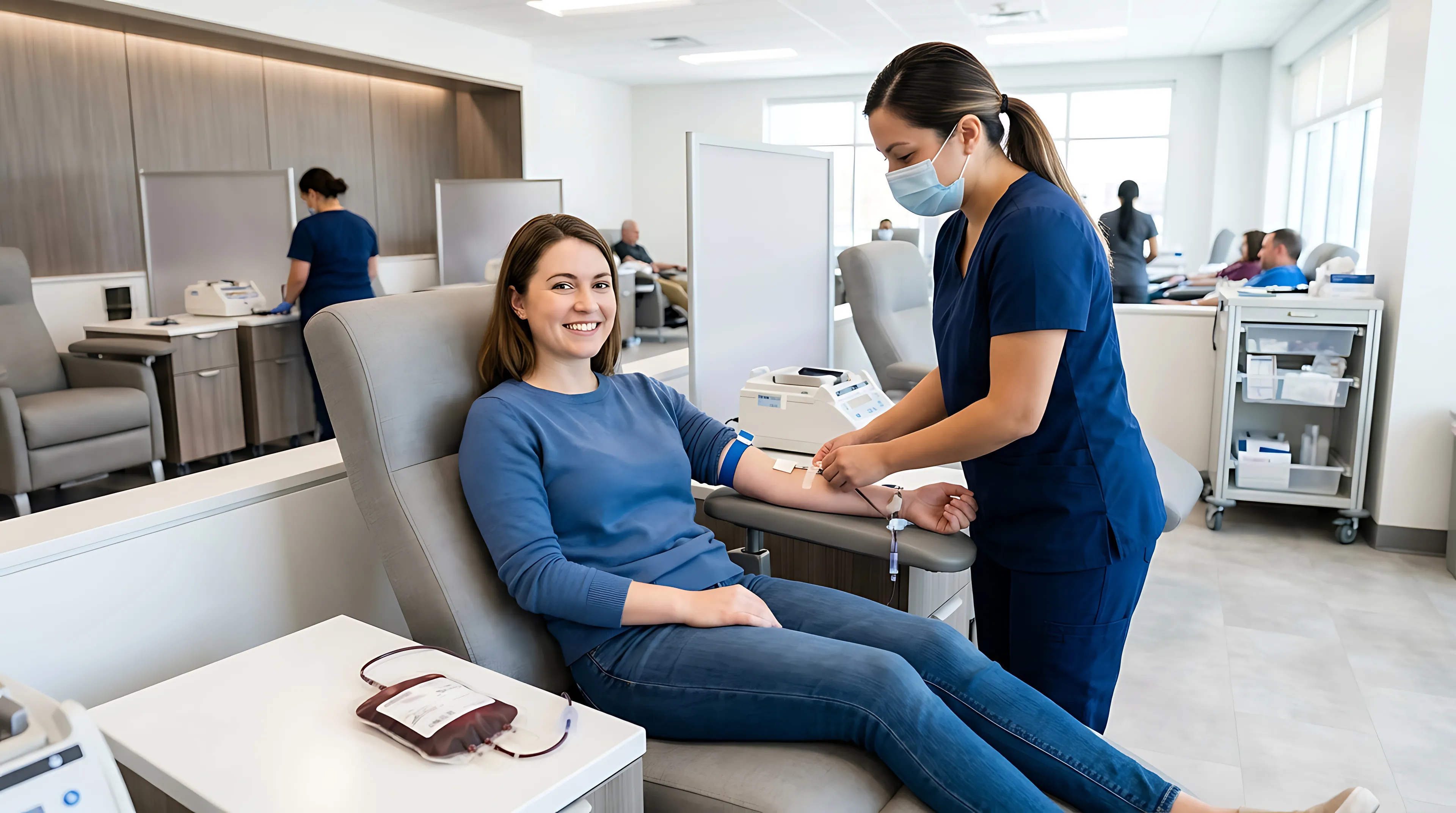
Preconception blood tests themselves carry very little risk. A blood draw may cause mild bruising or brief discomfort, and no special preparation beyond overnight fasting (for glucose tests) is usually needed.

The more important caution relates to live attenuated vaccines offered as part of preconception screening:

  • Rubella and varicella vaccines are live vaccines and must NOT be given during pregnancy.
  • If you need either vaccine, it should be completed at least one month before attempting conception. Your doctor will advise the exact interval.
  • Women who are already pregnant, immunocompromised, or on certain medications should discuss vaccine timing with their physician before acting on any screening result.

Certain tests, such as genetic carrier screening, can raise complex questions that need counselling support before and after results are shared. Do not act on an abnormal result without specialist guidance.

Report adverse events related to any vaccine or medication to your healthcare provider or the relevant regulatory authority.

Conclusion

Preconception blood tests can help identify health conditions, infections, nutritional deficiencies, and inherited risks that may affect pregnancy. Tests such as a CBC, blood group and Rh typing, thyroid function, blood glucose or HbA1c, infection screening, and haemoglobin electrophoresis may form part of the evaluation, while additional investigations depend on your medical and family history. Ideally, this assessment is completed before trying to conceive so there is time to treat identified problems, update vaccinations, or arrange specialist care.

There is no single blood test package that is appropriate for every couple. A gynaecologist or other qualified healthcare professional can review your health history, medicines, previous pregnancies, and family history to determine which tests are appropriate for you and your partner. If a result is abnormal, discuss it with your doctor before making changes to medicines, supplements, or pregnancy plans.

FAQS

What is the ideal time to do blood tests before pregnancy?

Three to six months before you plan to conceive is ideal. This gives enough time to treat any issues found, complete vaccinations, and stabilise conditions like thyroid disease or diabetes before conception.

Is an HbA1c test required before pregnancy?

It is strongly recommended, especially if you have a family history of diabetes, are overweight, or have polycystic ovary syndrome. High blood sugar at conception is linked to fetal abnormalities, so identifying and managing it early is worthwhile.

Do both partners need blood tests before planning pregnancy?

Yes. A preconception screening panel for the male partner typically includes blood group and Rh typing, HIV and hepatitis screening, and haemoglobin electrophoresis if there is a relevant family history. Both results together give a fuller picture of any inherited or infectious risks.

Can I get pregnant without preconception testing?

Many pregnancies proceed without prior testing. However, preconception screening tests give you the chance to address correctable problems in advance, making a healthy outcome more likely. Skipping them means some risks may only surface once pregnancy is already established.

What if my blood test shows an abnormal result before pregnancy?

An abnormal result is not a reason to panic. Many findings, such as low haemoglobin, thyroid imbalance, or low vitamin D, are straightforward to treat before conception. Others, like carrier status for a genetic condition, call for counselling to understand your options. Always discuss results with your doctor before drawing conclusions.

Apollo 247 Floating Action Button