logo
0

Blood Tests During Pregnancy: What to Expect & When to Test

Learn about blood tests during pregnancy, including common tests by trimester, blood group, haemoglobin, infections, glucose screening, timing, and what results mean.

article image

Dr. Mayank

Knowing which blood tests when pregnant are required, and when to take them, can feel overwhelming during an already eventful time. These tests are not just routine paperwork; they give your doctor a clear picture of your health, your baby's risk factors, and whether any early action is needed. Catching issues like anaemia, gestational diabetes, or thyroid imbalance early makes treatment far simpler and outcomes far better.

Why Blood Tests Matter During Pregnancy?

Blood tests when pregnant serve two goals: monitoring your own health through rapid hormonal and physical changes, and screening for conditions that could affect your baby's development. Conditions such as anaemia, uncontrolled blood sugar, and infections like HIV or hepatitis B can go unnoticed without a simple blood draw. Early detection through a structured prenatal blood test schedule gives your care team the time to act before complications develop.

Essential Blood Tests Trimester-Wise

The table below maps common tests to the trimester in which they are usually ordered. Your doctor may add or remove tests based on your personal history.

First Trimester Blood Tests (Weeks 1 to 13)

TestPurposeTypical Timing
Complete Blood Count (CBC)Checks haemoglobin, platelets, white cells; screens for anaemiaFirst visit, around 8 to 10 weeks
Blood group and Rh typingIdentifies Rh incompatibility riskFirst visit
Fasting blood sugar / HbA1cBaseline blood sugar test in pregnancy; flags pre-existing diabetesFirst visit
Thyroid test during pregnancy (TSH)Detects hypo- or hyperthyroidism, which can affect foetal brain development8 to 10 weeks
HIV, HBsAg, VDRLScreens for infections transmissible to the babyFirst visit
Rubella IgGConfirms immunity to rubellaFirst visit
Double marker test (PAPP-A + free beta-hCG)Chromosomal anomaly risk assessment combined with NT ultrasound11 to 13 weeks

First trimester blood tests carry the most tests because this is when your doctor is building a complete baseline picture.

Second Trimester (Weeks 14 to 27)

TestPurposeTypical Timing
Quadruple marker screenScreens for Down syndrome, neural tube defects15 to 20 weeks
Oral Glucose Tolerance Test (OGTT)Diagnoses gestational diabetes24 to 28 weeks
CBC repeatRe-checks haemoglobin test in pregnancy, especially if anaemia was borderline24 to 28 weeks
TORCH panel (if not done earlier)Screens for Toxoplasma, CMV, Herpes, and other infectionsAs clinically indicated

Third Trimester (Weeks 28 to 40)

TestPurposeTypical Timing
CBCFinal anaemia check before delivery32 to 36 weeks
HIV, HBsAg repeatSome protocols repeat for high-risk pregnancies32 to 36 weeks
Blood sugar test pregnancy repeatMonitors glucose control if gestational diabetes was diagnosedAs advised by doctor
Coagulation profileChecks clotting if pre-eclampsia or bleeding risk existsAs clinically indicated

How to Interpret Common Test Results?

Understanding your reports removes a lot of anxiety. Here is what the key results generally mean.

Haemoglobin (Hb)

Anaemia is one of the most common complications in Indian pregnancies. A haemoglobin level below 11 g/dL in the first and third trimester, or below 10.5 g/dL in the second trimester, is generally considered anaemic by most obstetric guidelines. Mild anaemia is usually managed with iron and folate supplements. If levels drop significantly lower, your doctor may investigate further or consider IV iron.

Blood Sugar

The OGTT involves fasting overnight, then drinking a glucose solution. Accepted cut-offs vary by the diagnostic criteria your hospital follows, so always ask your doctor to explain your specific values rather than comparing numbers online. A raised fasting or post-load glucose value leads to a diagnosis of gestational diabetes, which is managed through diet, exercise, and sometimes medication under close supervision.

Thyroid (TSH)

TSH values shift during pregnancy because of hormonal changes. A result that would be normal outside pregnancy may be flagged as low or high when you are pregnant. Your doctor will interpret TSH alongside free T4 and your symptom picture. Untreated hypothyroidism in early pregnancy is linked to developmental concerns for the baby, which is why a thyroid test during pregnancy is done early.

When to Flag Results Immediately?

Contact your doctor promptly if your report shows:

  • Haemoglobin below 8 g/dL
  • A positive HIV, HBsAg, or VDRL result
  • A TSH that is markedly out of range
  • Blood glucose values well above the reference range given by your lab

Do not wait for your next scheduled visit for any of these.

When and How Often to Get Tested?

A broadly recommended schedule aligned with FOGSI (Federation of Obstetric and Gynaecological Societies of India) practice looks like this:

  • First antenatal visit (as early as possible, ideally before 10 weeks): full baseline panel
  • 11 to 13 weeks: double marker and NT scan
  • 24 to 28 weeks: OGTT, repeat CBC
  • 32 to 36 weeks: repeat CBC, HIV/HBsAg if indicated

Women with high-risk pregnancies, including those with twins, pre-existing diabetes, thyroid disease, or hypertension, typically need tests more frequently. Your doctor may request a blood sugar test in pregnancy every 4 weeks if you have gestational diabetes, or repeat TSH checks every trimester if you are on thyroid medication. The blood tests during pregnancy trimester-wise schedule your doctor gives you is built around your individual risk profile, not a one-size-fits-all chart.

Contraindications and Precautions for Prenatal Testing

Blood draws during pregnancy are very safe, but a few practical points are worth knowing.

  • Fasting requirements: The OGTT and fasting glucose tests require an overnight fast of at least 8 hours. Most other blood tests (CBC, thyroid, blood group) do not need fasting. Confirm with your lab before you go.
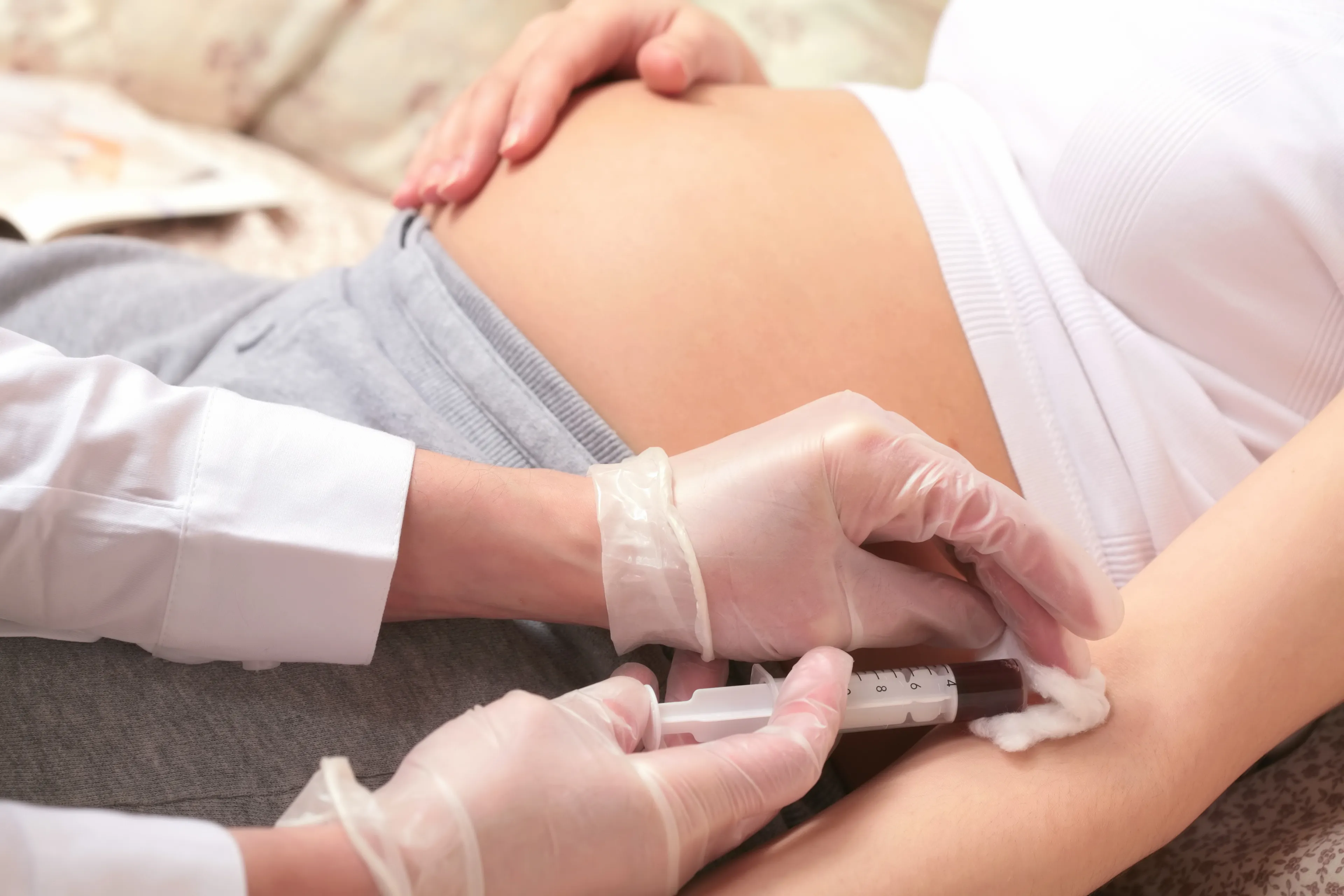
  • Venipuncture risks: Mild bruising or brief lightheadedness after a blood draw is normal. Serious complications like infection at the site are rare. If you feel faint, tell the phlebotomist before they begin so you can lie down during the draw.
  • When tests may be deferred: If you have an active infection causing fever, or if you have just had a blood transfusion (which can alter blood group and CBC results), your doctor may ask you to wait a few days before certain tests. Some genetic screening tests have narrow windows; missing the timing means the test cannot be meaningfully interpreted.
  • Rh-negative mothers: If your blood group is Rh-negative and your partner is Rh-positive, you will need an indirect Coombs test and, if indicated, an anti-D injection at around 28 weeks. This is not optional; Rh sensitisation can seriously affect future pregnancies.

There are no absolute contraindications to routine prenatal blood tests for most women. Allergy to latex (relevant if latex gloves or tourniquets are used) should be mentioned to the lab staff beforehand.

After your baby arrives, caring for them comes with its own checklist. You may find our newborn care tips after delivery helpful once you are home from the hospital.

Conclusion

Blood tests are an important part of prenatal care and help monitor the health of both the pregnant person and developing baby. Depending on the stage of pregnancy and individual health needs, testing may include blood group and Rh status, complete blood count, blood sugar, infection screening, thyroid testing, and other investigations recommended by a healthcare professional. Some tests are routinely offered during specific stages, while others may be advised based on symptoms, medical history, or pregnancy risk factors. Test preparation and timing can vary, so follow the instructions provided by the healthcare team. Discuss abnormal or unclear results with your obstetrician rather than interpreting a single result in isolation, and seek prompt care for significant bleeding, severe abdominal pain, fainting, or other concerning symptoms.

FAQs

What blood tests are mandatory during pregnancy in India?

There is no single legally mandated list, but FOGSI guidelines strongly recommend CBC, blood group and Rh typing, blood sugar, HIV, HBsAg, VDRL, and thyroid screening as part of routine antenatal care. Most government and private hospitals follow this core panel from the first visit.

Can I eat before a pregnancy blood test?

It depends on the test. CBC, thyroid, blood group, and infection screens do not require fasting. The OGTT and fasting blood glucose test require at least 8 hours of fasting, so check with your doctor or lab the day before your appointment.

What is the normal haemoglobin level during pregnancy?

Most obstetric guidelines consider a haemoglobin level below 11 g/dL in the first and third trimester, or below 10.5 g/dL in the second trimester, as anaemia in pregnancy. Your doctor will advise on iron supplementation if your level falls in this range.

When is the glucose tolerance test done in pregnancy?

The oral glucose tolerance test is typically done between 24 and 28 weeks of pregnancy. Women with risk factors such as obesity, a family history of diabetes, or previous gestational diabetes may be screened earlier, often at the first visit.

What happens if a pregnancy blood test result is abnormal?

Your doctor will discuss the result with you and recommend the next step, which could range from a dietary change or supplement to a repeat test, specialist referral, or treatment. An abnormal result is a prompt to act, not a reason to panic on your own.

Apollo 247 Floating Action Button