logo
0

blw-foods-vs-spoon-feeding-comparison-guide

Compare BLW foods and spoon-feeding, including benefits, drawbacks, age-appropriate foods, choking safety, and tips for starting solids safely.

article image

Dr.Ezhilrasan

Starting solids is one of the most exciting, and sometimes overwhelming, milestones in a baby's first year. The growing interest in BLW foods (baby-led weaning foods) has left many parents wondering whether to hand over a soft broccoli floret or reach for a spoon and puree. Both approaches can nourish your baby well. Understanding what each involves helps you make a confident, informed choice for your family. If you are a new parent looking for broader guidance on your baby's early months, the newborn care guide for new parents is a helpful starting point.

What Is Baby-Led Weaning (BLW)?

Baby-led weaning skips pureed food entirely. Instead, your baby picks up soft, appropriately sized pieces of whole food and feeds themselves from the very first bite. There is no spoon involved, no blending, and no parent-controlled portion going into the baby's mouth.

Readiness signs to look for:

  • Core stability: Sitting upright in a high chair with minimal or no support.
  • Head and neck control: Holding their head upright and steady without slumping.
  • Mealtime curiosity: Showing active interest in food, such as leaning forward or reaching for your plate.
  • Reflex maturation: Loss of the infant tongue-thrust (extrusion) reflex that automatically pushes solid objects out of the mouth.

Most babies reach these milestones around 6 months. Knowing when to start BLW matters: beginning before a baby can sit unassisted raises choking risk and is not recommended. If your baby is not yet holding their head steady or still slumps when seated, wait a few more weeks and check with your paediatrician before introducing BLW foods.

BLW vs Spoon-Feeding: Key Differences

The core difference is who controls the feeding. In BLW vs spoon-feeding, the baby directs every bite in BLW, while a caregiver controls pace and quantity with traditional spoon-feeding. Both methods deliver nutrition, but they develop different skills and create different mealtime dynamics.
 

Feature    Baby-Led WeaningSpoon-Feeding (Purees)
Method    Baby self-feeds soft finger foodsCaregiver spoons puree into baby's mouth
Motor skillsFine-tuned early; palmar and pincer grip developsLess hand-to-mouth practice initially
Mess levelHigh    Moderate
Mealtime pace    Baby-controlledCaregiver-controlled
Nutrition trackingHard to measure intake preciselyEasier to estimate volume consumed
Texture exposureVaried textures from the startGradual progression from smooth to lumpy

Neither method is universally superior. Research suggests both can support healthy growth and development when done thoughtfully.

Pros and Cons of Each Method

Baby-Led Weaning

Potential benefits:

  • Appetite self-regulation: Encourages infants to tune into internal satiety cues, reducing the likelihood of overfeeding.
  • Motor skill advancement: Builds bilateral coordination, fine motor grasp, and hand-to-mouth mapping early.
  • Inclusive family mealtimes: Babies participate in shared meals by eating age-modified versions of table foods.
  • Broader texture acceptance: Early exposure to varied shapes and consistencies may reduce selective eating later.

Potential drawbacks:

  • Risk of low iron intake: Iron intake can lag if caregivers do not deliberately prioritise iron-dense foods such as pulses, lentils, egg yolks, minced poultry, or fortified grains.
  • Parental intake anxiety: It is difficult to assess the exact caloric volume swallowed during early exploratory sessions.
  • Elevated mess and waste: A substantial portion of food ends up dropped or discarded.

Not clinically suitable for all: Inappropriate for infants with motor delays or swallowing difficulties without specialist clearance.

Spoon-Feeding

Potential benefits:

  • Precise intake monitoring: Caregivers can measure exact dietary quantities and daily nutrient consumption.
  • Targeted micronutrient delivery: Allows reliable delivery of iron-fortified baby cereals and pureed legumes.
  • Controlled mealtime cleanliness: Generates far less spillage and food waste during the initial transition.

Potential drawbacks:

  • Reduced appetite autonomy: Caregivers may inadvertently override infant satiety cues to empty the bowl.
  • Delayed texture progression: Lingering on smooth textures past 9 months can cause resistance to lumpy or chewy foods.
  • Higher preparation time: Requires regular blending, steaming, and portioning of separate purées.

The Combination Approach

Many families combine both. Offering age-appropriate baby foods as soft finger pieces alongside a spoon of puree or porridge is completely valid. There is no rule that says you must pick one method and stick to it.

Age-Appropriate BLW Foods (6-12 Months)

Shapes matter as much as ingredients. Food should be soft enough to squash between your finger and thumb, and long enough for a young baby to grip, roughly the length of your finger. As babies develop a pincer grip around 8 to 9 months, smaller pieces become appropriate.

6 to 8 Months: Baby-Led Weaning First Foods

At this stage, babies grip with their whole fist. Offer finger-length, soft pieces:

  • Steamed vegetable spears: Well-steamed carrot sticks, sweet potato wedges, or zucchini batons.
  • Soft fruit spears: Ripe banana batons or peeled avocado wedges rolled in ground flaxseed for grip.
  • Cruciferous florets: Steamed broccoli or cauliflower florets with the stalk left intact as an easy-to-hold handle.
  • Soft protein patties: Steamed dal or lentil patties, lightly mashed and flattened.
  • Cooked egg: Hard-boiled egg wedges or well-cooked omelette strips.

8 to 10 Months: Growing Confidence

Babies begin developing a pincer grip:

  • Dairy proteins: Small, soft cubes of fresh paneer or pasteurised mild cheese.
  • Minced animal proteins: Finely shredded, well-cooked chicken, or flaked boneless fish.
  • Soft carbohydrate bites: Overcooked spiral pasta or small, sticky brown rice balls.
  • Peeled soft fruits: Soft, ripe mango, papaya, or stewed pear pieces.
  • Soft flatbreads: Small strips of soft chapati dipped in plain curd or dal.

10 to 12 Months: Family Food Variations

Most babies can now handle a wider range of textures:

  • Mild vegetable curries: Soft-cooked home curries made without added salt, chillies, or whole spices.
  • Fermented grain staples: Soft pieces of idli, uttapam, or whole-grain toast fingers.
  • Well-cooked legumes: Soft-boiled rajma, chana, or whole lentils flattened slightly before serving.
  • Diced table fruit: Ripe kiwi, peeled apple steamed until fork-tender, and seasonal stone fruits.

Foods to Avoid in Baby-Led Weaning

  • Honey: Carries a proven risk of infant botulism from Clostridium botulinum spores; strictly avoid before 12 months.
  • Whole nuts and large seeds: Severe mechanical choking hazards; provide only as smooth nut butters thinned with milk or warm water.
  • Added salt and sugar: Infant kidneys cannot handle excess sodium, and added sugars promote early tooth decay.
  • Unpasteurised dairy: Unpasteurised milk or artisanal cheeses present severe bacterial infection risks (e.g., Listeria, Salmonella).
  • Hard raw produce: Raw carrots, celery, and firm apple slices must never be offered unless steamed soft or finely grated.
  • Whole spherical fruits: Whole grapes, cherry tomatoes, and large berries must always be quartered lengthwise.
  • Ultra-processed packaged snacks: Commercial biscuits and crisps containing trans-fats, sodium, and preservatives.

Choking vs Gagging: Safety Tips for BLW

The fear of choking prevents many families from attempting finger foods. Understanding the physiological distinction between gagging and choking is essential.

  • Gagging (Normal reflex): A loud, active, protective physiological response. The infant makes retching noises, opens the mouth wide, thrusts the tongue forward, and may look flushed with watering eyes. The baby's body is actively clearing food away from the airway. Do not intervene, panic, or sweep your finger blindly into the baby's mouth, as this can push the food wedge backward into the larynx.
  • Choking (Medical emergency): Complete or partial mechanical obstruction of the trachea. The baby is silent, cannot vocalise or cough effectively, exhibits wide-eyed terror, and turns red, blue, or dusky. Immediate emergency intervention (back blows and chest thrusts) is required.

Essential safety rules for every meal:

  • Always stay within arm's reach during meals.
  • Keep the baby seated upright in a high chair, never reclined.
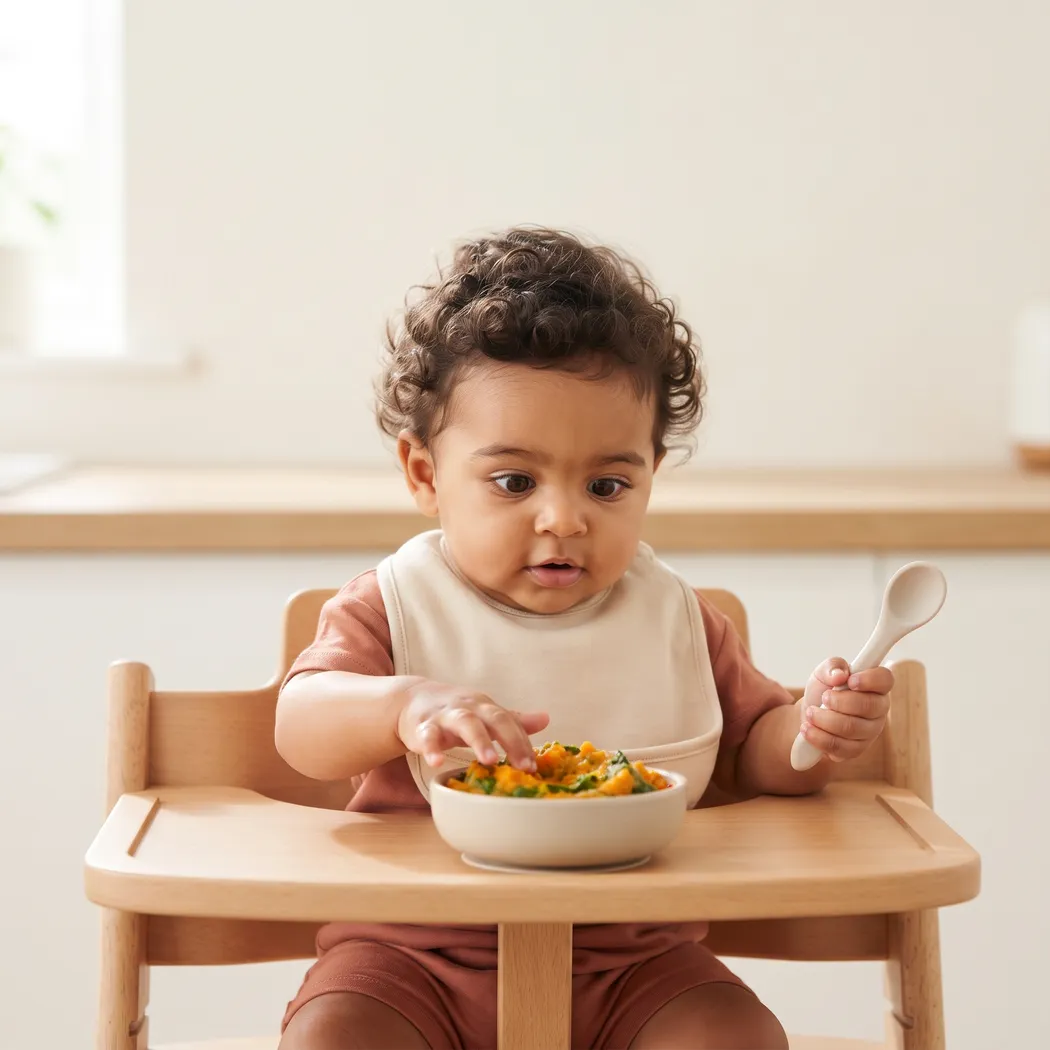
  • Never offer food while the baby is distracted, upset, or in a moving vehicle.
  • Cut round foods like grapes in half lengthwise, not across.
  • Avoid any food that is hard, sticky, or round and whole.
  • Learn infant first aid and choking response before starting solids.

Who Should Not Do BLW?

Baby-led weaning is not appropriate for every baby. Avoid or delay the BLW approach if your baby:

  • Was born prematurely (especially before 37 weeks) and has not yet reached corrected developmental milestones.
  • Has a diagnosed swallowing difficulty or oral motor disorder.
  • Has low muscle tone or cannot sit with minimal support.
  • Has a condition that affects their ability to chew or move food safely in the mouth.

In these situations, speak with a paediatrician or a paediatric speech and language therapist before introducing any solids.

When to Consult a paediatrician?

Some situations call for professional input rather than waiting. Contact your doctor if your baby:

  • Shows signs of a food allergy, such as hives, swelling, vomiting, or difficulty breathing, within minutes to two hours of eating a new food.
  • Is losing weight or not gaining weight as expected.
  • Refuses all solid foods consistently after 7 to 8 months.
  • Gags on every meal without improvement over several weeks.
  • Has frequent choking episodes, not just gagging.
  • Report adverse events to your healthcare provider or the relevant regulatory authority.

Your paediatrician can also confirm whether your baby is ready to start BLW, recommend iron-rich foods, and guide allergy introduction for high-risk families.

Conclusion

Both baby-led weaning and traditional spoon-feeding are safe, effective ways to introduce your baby to solid foods. The choice depends on your baby's developmental readiness, mealtime comfort, and family routine. Many parents find success with a combination approach offering soft finger foods for exploration while serving iron-rich purées or porridges by spoon. Whichever path you choose, focus on age-appropriate textures, safe preparation, and responsive feeding. Always consult your paediatrician before starting solids to ensure your baby is developmentally ready.

FAQS

Can I combine BLW and spoon-feeding?

Yes, and many parents do. Offering soft finger foods alongside spoon-fed porridge or puree is called a combined or baby-led approach and is widely accepted. There is no evidence that mixing the two methods causes harm, and it can ease parental anxiety about nutrition tracking.

What are the first foods for baby-led weaning?

Good baby-led weaning first foods include steamed vegetable sticks such as carrot or sweet potato, ripe banana spears, soft-cooked broccoli, scrambled egg, and lentil patties. Choose pieces roughly finger-length, soft enough to squash easily, and free from added salt or sugar.

Is BLW safe for premature babies?

BLW is generally not recommended for premature babies based on birth age alone. Readiness should be assessed using the baby's corrected age and developmental milestones rather than chronological age. Always check with a paediatrician or developmental specialist before starting solids with a premature infant.

How much food should a baby eat during BLW?

In the early weeks, very little actual food is swallowed; breast milk or formula remains the primary nutrition source until around 9 to 12 months. The goal at first is exploration. Offer small amounts, let the baby self-regulate, and avoid pressuring them to finish.

Does BLW increase choking risk compared to purees?

Current evidence does not show that BLW significantly increases choking risk when age-appropriate baby foods are offered in safe shapes and under close supervision. Gagging, which is common and normal, is often confused with choking. Following shape and texture guidelines and learning infant first aid greatly reduces risk.

Apollo 247 Floating Action Button