logo
0

Breast Pain During Pregnancy: Causes and Safe Relief

Understand why breast tenderness happens during pregnancy, when it occurs, and safe ways to ease discomfort. Doctor-reviewed guide from Apollo Pharmacy.

article image

Dr. Bhanu Prakash

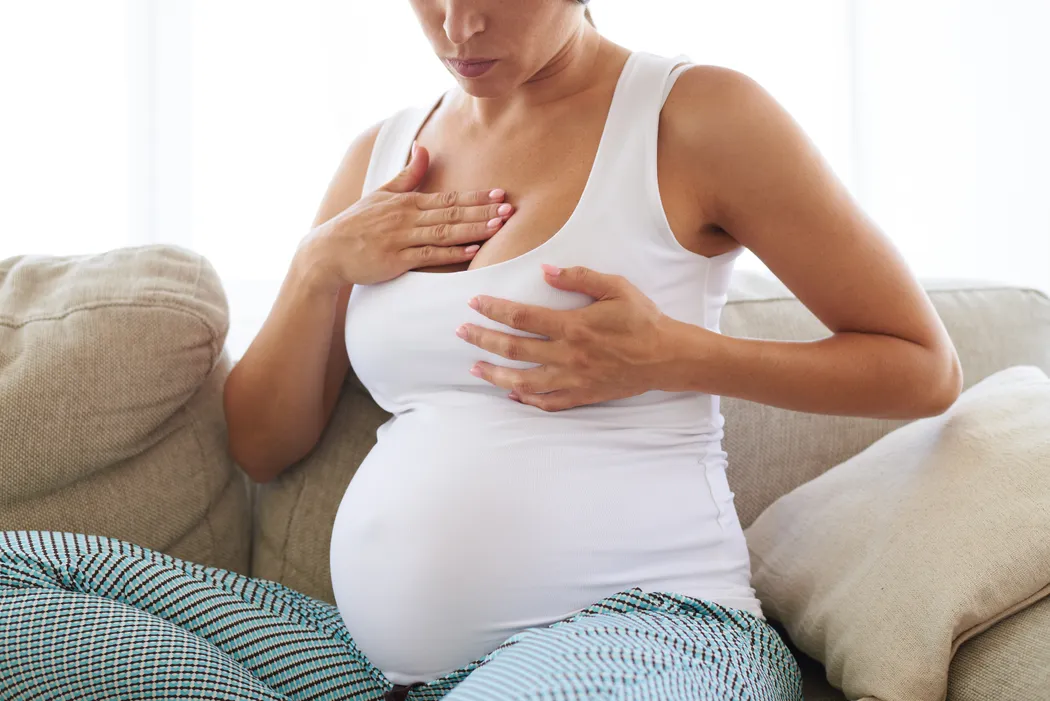
Breast pain during pregnancy is one of the earliest and most common complaints women notice, often before they even see a positive test. For many, it feels like an exaggerated version of premenstrual soreness. For others, it is sharp, persistent, and confusing. Understanding what drives it, when to expect relief, and which comfort measures are safe can make a real difference to your day.

Why Breasts Hurt During Pregnancy?

The short answer is hormones. From the moment an embryo implants, your body floods with estrogen, progesterone, and human chorionic gonadotropin (hCG). These hormones signal your breasts to begin preparing for milk production, and that process involves rapid physical changes.

Blood flow to breast tissue increases significantly. The milk ducts and glandular tissue begin to grow. The skin stretches. All of this happens quickly, producing tenderness, heaviness, and sometimes a burning or throbbing sensation. Nipple sensitivity in pregnancy is part of this picture too, as the nerve endings in the nipple and areola become especially reactive.

Breast tenderness in early pregnancy feels so similar to PMS soreness that many women initially dismiss it. The key difference is that it does not ease off after a few days the way period-related tenderness does.

When Breast Tenderness Starts and How Long It Lasts?

Wondering when breast pain starts in pregnancy? Most women notice sore breasts as a pregnancy symptom between weeks 4 and 6, around the time of a missed period. The tenderness typically peaks during the first trimester, when hCG levels are rising fastest.

Here is a rough timeline of breast changes during pregnancy, trimester by trimester:

TrimesterWhat to Expect
First (weeks 1 to 13)    Tenderness, heaviness, visible veins, nipple darkening. Soreness peaks around weeks 6 to 10.
Second (weeks 14 to 26)Pain usually eases noticeably for most women as hormone levels stabilise. Breasts continue to grow, but the acute soreness settles.
Third (weeks 27 to 40)Heaviness and fullness return. Some women notice colostr

The easing of pain in the second trimester is not a warning sign. It simply reflects the body adjusting to stable hormone levels. If your breast pain disappears around week 12 to 14, that is normal and not a reason to worry.

Safe Ways to Relieve Breast Pain in Pregnancy

The most practical ways to relieve breast pain in pregnancy are non-medicinal and low-risk. Here is what genuinely helps:

Choose the right bra: A well-fitted maternity or sports bra with wide straps and no underwire reduces movement and relieves pressure. Many women find a soft sleep bra at night helpful too, particularly in the first trimester when even the weight of a sheet can feel uncomfortable.

Other comfort measures worth trying:

  • A warm compress held against the breast for 10 to 15 minutes can ease deep aching.
  • A cool cloth or cold pack wrapped in a towel may reduce surface sensitivity.
  • Gentle self-massage using light circular strokes can improve circulation without aggravating the tissue.
  • Loose, soft clothing avoids unnecessary friction against sensitive nipples.
  • Some women find reducing caffeine helpful, though evidence for this is limited.

On the question of how to relieve breast pain in pregnancy using medication, do not reach for anything without speaking to your doctor first. Even common pain relievers that seemed safe before pregnancy carry specific caveats when you are expecting. Your obstetrician or midwife is the right person to advise on what is appropriate at your stage.

Contraindications and Precautions

Some approaches that feel intuitive are best avoided without medical guidance during pregnancy:

  • Topical pain gels and creams containing anti-inflammatory ingredients should not be used without a doctor's approval. Many carry explicit pregnancy warnings.
  • Strong heating pads applied directly to the skin carry a burn risk and are not recommended over breast tissue.
  • Herbal topical preparations are not automatically safe. "Natural" does not mean tested or cleared for use during pregnancy.
  • Self-medicating with any oral pain reliever, including anti-inflammatory tablets, is not advisable. Certain pain medicines carry known risks to the developing baby, particularly in the third trimester.
  • If you are unsure whether something is safe, ask before you use it.

Adverse events and side effects: Report any unexpected reaction to a product or medication to your healthcare provider or the relevant regulatory authority promptly.

When to See a Doctor?

Breast pain during pregnancy is almost always normal, but a small number of symptoms deserve prompt attention. Contact your doctor or midwife if you notice:

  • A new lump or hard area that does not seem related to general breast fullness
    Redness, warmth, or swelling in one breast (these can signal mastitis, even during pregnancy)
  • Fever alongside breast pain
  • Nipple discharge that is bloody or unusual in colour
  • Severe pain confined to one breast that does not ease with rest or support
  • Any change that feels different from your usual pregnancy soreness and is worrying you
  • These symptoms are uncommon, but they are not something to wait out. Early review means early reassurance, or early treatment if needed.

As you prepare for the weeks ahead, you may also find it helpful to read Apollo's newborn care guide for after delivery to get ahead on what comes next.

Conclusion

Breast tenderness is a common pregnancy symptom caused by hormonal and physical changes in the breasts. The discomfort may vary throughout pregnancy and often becomes easier to manage as the body adjusts. Wearing a supportive, well-fitted bra and using gentle warm or cool compresses may provide relief. Avoid self-medicating during pregnancy without medical advice. If pain is severe, persistent, one-sided, or accompanied by a new lump, redness, swelling, fever, or unusual nipple discharge, consult a healthcare professional for appropriate assessment.

FAQS

Is breast pain a definite early pregnancy sign?

It is one of the most common early signs, but not a reliable confirmation on its own. Breast tenderness also occurs before a period, so a pregnancy test is the only way to know for sure.

Can breast pain mean something is wrong with the pregnancy?

In almost all cases, breast pain is a healthy sign that pregnancy hormones are working as they should. Breast pain that is one-sided, accompanied by a lump, redness, or fever warrants a prompt doctor's review to rule out infection or another cause.

Does breast size increase pain during pregnancy?

Larger breasts can mean more weight and stretch on the surrounding tissue, which may increase discomfort. A well-fitted, supportive bra makes a significant difference regardless of cup size.

Can I take paracetamol for breast pain in pregnancy?

Paracetamol is generally considered the first-line oral pain option in pregnancy, but you should confirm with your doctor or midwife before taking any medication, as guidance depends on your specific stage and health history.

Does breast pain return in the third trimester?

Yes, for many women it does. The third trimester brings increased fullness and heaviness as the breasts prepare for feeding, and some women also experience nipple sensitivity as colostrum production begins.

Apollo 247 Floating Action Button