logo
0

Boob Pain During Pregnancy: Causes & Relief Tips

Why breast tenderness happens during pregnancy and safe ways to ease discomfort. Doctor-reviewed guide from Apollo Pharmacy.

article image

Dr.Rohini priyanaka

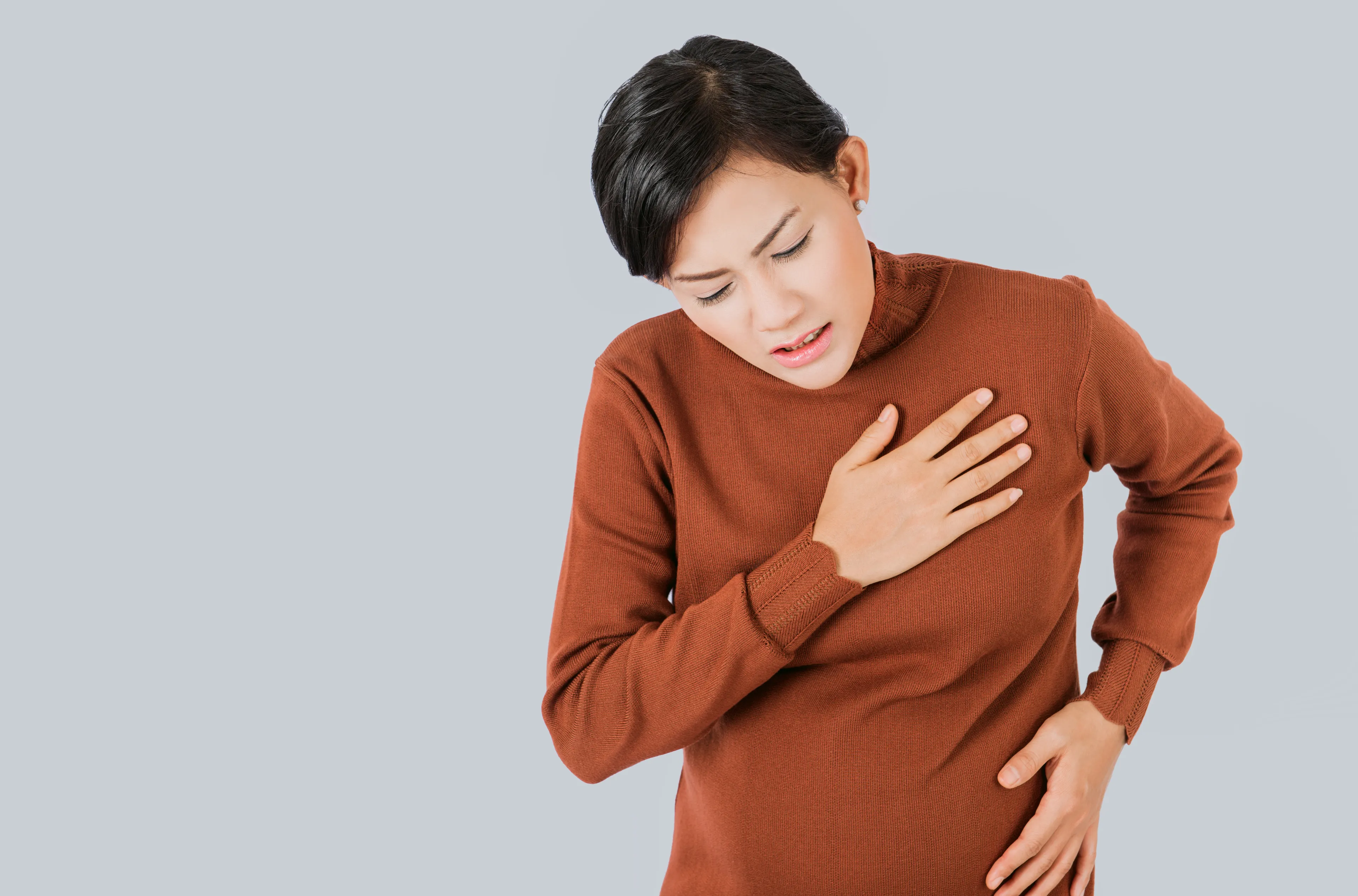
Breast pain during pregnancy is common, particularly in the first trimester. Your breasts may feel tender, swollen, heavy or unusually sensitive, sometimes making everyday activities such as getting dressed or sleeping uncomfortable. These changes are often related to hormonal shifts and the body's preparation for breastfeeding.

Breast tenderness can occur in early pregnancy, sometimes around the time your period is due. However, it can also happen before menstruation, so breast pain alone cannot confirm pregnancy. Understanding why these changes happen, how to manage discomfort and which symptoms need medical attention can help you care for your breasts throughout pregnancy.

Why Do Breasts Hurt During Pregnancy?

Breast tenderness during pregnancy is mainly associated with hormonal changes and increased blood supply to breast tissue. Oestrogen and progesterone levels rise during pregnancy, encouraging the development of milk ducts and milk-producing glands. These changes can make your breasts feel fuller, heavier and more sensitive.

You may also notice:

  • Breast swelling and fullness: Changes in breast tissue and increased blood flow can make your breasts feel larger or heavier.
  • Tenderness and soreness: Hormonal changes can make breast tissue more sensitive, particularly when touched or pressed.
  • Nipple sensitivity: Your nipples may become more sensitive to touch, clothing or temperature changes.
  • Changes in the areolas: The skin around your nipples may become darker or appear larger.
  • Visible veins: Increased blood supply can make veins on your breasts more noticeable.
  • Tingling or stretching sensations: Breast tissue changes may cause occasional tingling, tightness or discomfort.

These changes are part of the body's preparation for lactation. However, breast tenderness does not confirm that a pregnancy is healthy or indicate how it is progressing.

When Does Breast Tenderness Start and How Long Does It Last?

Breast tenderness may begin during the early weeks of pregnancy, often around weeks 4 to 6. Some women notice it before their missed period, while others experience little or no breast discomfort.

The timing and duration vary. You may notice:

  • First trimester: Breast tenderness, swelling and nipple sensitivity may be more noticeable as hormone levels rise.
  • Second trimester: Discomfort may ease as your body adjusts to pregnancy, although breast growth and sensitivity can continue.
  • Third trimester: Your breasts may become fuller as they prepare for breastfeeding. Some women also notice colostrum, the first form of breast milk, leaking from their nipples.

Not everyone follows the same pattern. Breast tenderness may come and go, remain mild or continue throughout pregnancy. A reduction in soreness does not, by itself, indicate a pregnancy complication.

Is Breast Pain an Early Sign of Pregnancy?

Yes, breast tenderness can be an early sign of pregnancy. However, it is also a common premenstrual symptom because hormonal changes occur during the menstrual cycle.

The two can feel very similar. Breast soreness alone cannot reliably distinguish pregnancy from an approaching period. If your period is late or you think you may be pregnant, take a home pregnancy test according to the instructions on the pack.

How to Manage Breast Discomfort Safely

Simple changes to your daily routine can help ease breast tenderness and reduce friction or pressure.

  • Wear a supportive bra: Choose a well-fitted bra with comfortable straps, adequate coverage and soft fabric. A maternity bra may provide additional support as your breasts change in size.
  • Consider a soft sleep bra: If breast movement makes sleeping uncomfortable, a comfortable, non-restrictive bra may help.
  • Use a cool compress: Place a cool, damp cloth over the sore area for a few minutes to ease discomfort. Avoid applying ice directly to your skin.
  • Try a warm compress if it feels more comfortable: Gentle warmth may help some people, but avoid excessive heat.
  • Choose loose clothing: Soft, breathable fabrics can reduce rubbing against sensitive breasts and nipples.
  • Be gentle when bathing: Wash your breasts with water and a mild cleanser if needed. Avoid scrubbing or rubbing sensitive nipples.
  • Adjust your sleeping position: Try sleeping in a position that does not place pressure on your breasts. A supportive pillow may help you feel more comfortable.

If the pain is persistent or interferes with sleep and daily activities, discuss it with your doctor. Do not start medicated creams, pain-relief gels or herbal preparations without checking whether they are suitable during pregnancy.

When to See a Doctor

Mild, generalised tenderness in both breasts is common during pregnancy. However, new or unusual breast changes should not automatically be attributed to hormonal changes.

Arrange a medical assessment if you notice:

  • A new breast or armpit lump: Most breast lumps are not cancerous, but a new lump needs examination.
  • Localised redness, warmth or swelling: These changes, particularly when accompanied by pain, may indicate inflammation or infection.
  • Fever or flu-like symptoms: Fever, chills, body aches or feeling unwell alongside breast pain may suggest an infection such as mastitis.
  • Bloody nipple discharge: Discharge containing blood should be assessed by a healthcare professional.
  • Spontaneous or one-sided nipple discharge: Discharge that occurs without squeezing, particularly from one breast, needs evaluation.
  • Changes in breast skin or nipple shape: New dimpling, puckering, a persistent rash or a newly inverted nipple should be checked.
  • Severe or worsening pain: Pain that is persistent, concentrated in one area or not improving needs medical assessment.

Mastitis is an inflammation of breast tissue that can sometimes occur outside breastfeeding. It may cause a painful, swollen, warm area of the breast and fever. If you develop these symptoms, consult your doctor promptly.

Contraindications and Precautions

Most breast discomfort during pregnancy can be managed with simple comfort measures. However, take care when using medicines or topical products.

  • Check before taking pain relief: Paracetamol is generally the first-choice medicine for mild to moderate pain during pregnancy when needed. Use it at the lowest effective dose for the shortest necessary time, following medical or pharmacist advice.
  • Avoid self-medicating with NSAIDs: Medicines such as ibuprofen, diclofenac and naproxen are generally not recommended during pregnancy unless specifically advised by your doctor. Their risks depend on the medicine and stage of pregnancy.
  • Check topical products: Do not apply medicated pain-relief gels, numbing creams or products containing active ingredients to your breasts or nipples without checking their suitability with your doctor or pharmacist.
  • Be cautious with herbal products: Herbal oils, supplements and preparations marketed for breast comfort are not automatically safe during pregnancy. Check their ingredients before use.
  • Protect your skin when using compresses: Wrap a cold pack in a soft cloth and avoid prolonged exposure to cold or excessive heat.
  • Avoid forceful massage: Gentle touch may be comfortable, but deep pressure or vigorous massage can increase soreness.

If you take regular medicines or have a medical condition, discuss suitable pain-management options with your healthcare professional rather than stopping prescribed treatment or changing medicines yourself.

Conclusion

Breast pain during pregnancy is commonly associated with hormonal changes, increased blood supply and the development of breast tissue. You may notice tenderness, swelling, nipple sensitivity or changes in the appearance of your breasts. These symptoms often improve as pregnancy progresses, but their timing and intensity vary.

A supportive bra, comfortable clothing and cool or warm compresses may help ease discomfort. If you notice a new lump, bloody nipple discharge, localised redness, fever or persistent one-sided pain, arrange a medical assessment. Your doctor can help identify the cause and recommend suitable care during pregnancy.

FAQS

Is sore breast a symptom of pregnancy or period?

Breast tenderness can occur during both early pregnancy and the days before a period. Hormonal changes can cause similar symptoms in either situation, so breast soreness alone cannot distinguish between them. If your period is late, take a home pregnancy test to check.

Can breast pain mean miscarriage risk?

Breast pain alone is not a recognised warning sign of miscarriage. Breast tenderness may change or ease during pregnancy, and this does not necessarily indicate a problem. If you experience vaginal bleeding, persistent abdominal pain or other concerning symptoms, contact your doctor for assessment.

Does breast size change permanently after pregnancy?

Breast size and shape may change during and after pregnancy. Some changes occur as breast tissue develops during pregnancy and lactation, while others are related to changes in fatty tissue and skin. The extent and duration of these changes vary from person to person.

Can I massage sore breasts during pregnancy?

Gentle touch may be comfortable, but you do not need to massage your breasts to prepare for breastfeeding or relieve tenderness. Avoid forceful pressure, particularly around painful areas or lumps. If you notice a new lump or persistent localised pain, have it assessed by your doctor.

Why do nipples hurt more than the rest of the breast in pregnancy?

Hormonal changes and increased blood flow can make the nipples and areolas particularly sensitive during pregnancy. Friction from clothing, changes in skin texture and breast growth may add to the discomfort. A soft, well-fitting bra and breathable clothing may help reduce irritation.

Apollo 247 Floating Action Button