logo
0

Breast Tenderness in Pregnancy: Causes & Relief Tips

Learn why breast tenderness happens during pregnancy, when it starts, how it changes by trimester, and tips to ease breast discomfort safely.

article image

Dr.Ezhilrasan

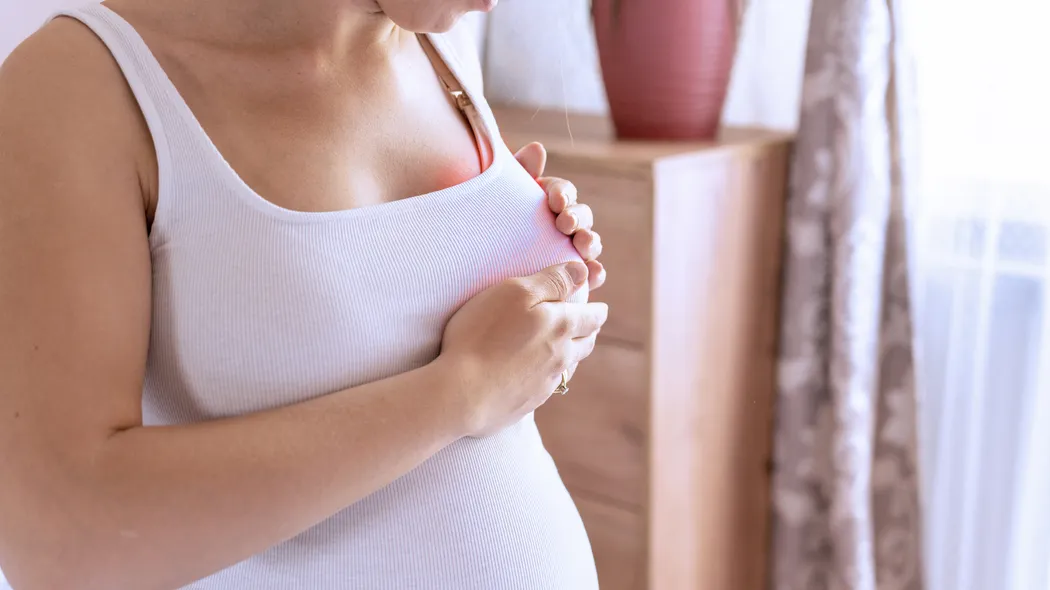
Breast tenderness in pregnancy is often one of the first physical clues that something has changed. For many women, the soreness arrives even before a missed period, which is why it shows up on nearly every list of signs of pregnancy before a missed period. Understanding what's causing it, how long it typically lasts, and when to ask for medical help can make those early weeks feel a lot less unsettling.

Why Do Breasts Become Tender in Early Pregnancy?

Shortly after conception, the body begins producing significantly more estrogen and progesterone. These hormones trigger increased blood flow to breast tissue and prompt the milk ducts to start developing, making the breasts feel swollen, heavy, or sore to the touch. The sensitivity can feel disproportionate to how early in the pregnancy you actually are.

When Does Breast Tenderness Start and How Long Does It Last?

Most women notice soreness around one to two weeks after conception, which often lines up with roughly the time a period would have been due. This is why breast tenderness is counted among early pregnancy symptoms that can appear before a positive test.

The discomfort typically peaks during the first trimester and eases for most women between weeks 10 and 14, as the body adjusts to its new hormone levels. Some women find the tenderness returns later in pregnancy as the breasts continue to prepare for breastfeeding, but the intense early soreness generally settles.

A few things to keep in mind about the timeline:

  • Onset can vary widely from person to person and even between pregnancies.
  • The degree of tenderness does not predict how the pregnancy is progressing.
  • If soreness suddenly disappears very early in the first trimester, mention it to your doctor, though it does not always signal a problem.

Breast Tenderness: Pregnancy vs PMS: How to Tell the Difference

Sore breasts before a period is one of the most common premenstrual symptoms, so distinguishing sore breasts before period vs pregnancy can feel genuinely difficult. The table below outlines the key differences.

FeaturePMS sorenessEarly pregnancy soreness
When it starts1 to 2 weeks before periodShortly after conception, ongoing
Resolves whenPeriod beginsOften continues past expected period date
Nipple sensitivityMildOften more pronounced
Associated symptomsBloating, mood changesNausea, fatigue, missed period
Breast textureUsually unchangedMay feel fuller or heavier

Nipple changes in pregnancy tend to be more noticeable than during PMS. The areola often darkens and the nipples may feel more reactive to temperature or touch. If the soreness persists well past when your period was due and comes with other early pregnancy symptoms, a home pregnancy test is the next sensible step.

Other Early Pregnancy Indicators: Discharge Changes and More

Breast soreness rarely appears in isolation. It tends to come alongside a cluster of other early signs.

Vaginal discharge in early pregnancy is one of the more overlooked indicators. A mild increase in thin, milky white or clear discharge is common in early pregnancy. This is called leukorrhea, and it happens because rising estrogen increases vaginal secretion. Healthy early pregnancy discharge should not have a strong odour or cause itching. If it does, speak to your doctor, as an infection needs to be ruled out.

Other symptoms that commonly accompany breast tenderness at this stage include:

  • Unusual fatigue, sometimes quite pronounced in the first few weeks.
  • Mild nausea, with or without vomiting, often peaking around week six to eight.
  • A missed period, which for most women is still the clearest single indicator of pregnancy.
  • Frequent urination as blood volume increases and the kidneys work harder.
  • Heightened sensitivity to smells or mild food aversions.

No single symptom confirms pregnancy. The combination of several of these signs together, followed by a positive test, gives a much clearer picture.

Managing Breast Discomfort Safely

Breast discomfort in early pregnancy is normal, and there are practical ways to reduce it without any medication.

  • A well-fitting, supportive bra makes a significant difference. Many women find a soft, non-underwired maternity or sleep bra helpful, especially at night.
  • Avoid tight clothing that puts pressure on the chest.
  • Warm compresses can ease the aching sensation temporarily.
  • Sleeping on your side with a pillow for support reduces the weight on breast tissue.

Avoid applying unverified herbal remedies or topical products to the breast area during pregnancy without medical guidance, as absorption through the skin is possible.

On the question of pain relief: common over-the-counter anti-inflammatory medicines are generally not recommended during pregnancy, particularly in the second and third trimesters, because of known risks to the developing baby. Even in the first trimester, self-medicating without guidance is not advisable. Always ask your doctor or pharmacist before taking any medicine for pain during pregnancy.

Report adverse events to your healthcare provider or the relevant regulatory authority.

Contraindications and When to See a Doctor

Most breast tenderness in pregnancy is entirely normal, but certain symptoms need prompt medical attention.

Situations that warrant a call or visit to your doctor:

  • A new lump or thickening that does not seem to change with your cycle.
  • Discharge from the nipple that is bloody, clear, or appears outside of breastfeeding.
  • Redness, warmth, or fever alongside breast pain, which could suggest infection.
  • Severe or one-sided pain that feels different from general tenderness.
  • Skin changes such as puckering, dimpling, or an orange-peel texture.

Contraindications for OTC pain relief during pregnancy: Non-steroidal anti-inflammatory drugs (NSAIDs) carry contraindications in pregnancy, particularly from 20 weeks onward due to risk of fetal kidney effects, and most guidelines advise avoiding them throughout pregnancy unless specifically prescribed. Aspirin in standard analgesic doses is also not recommended in pregnancy. Paracetamol is commonly considered the first option for mild pain under medical guidance, but even this should be used at the lowest effective dose for the shortest necessary time. Do not take any medicine for breast pain during pregnancy without first checking with your healthcare provider.
Conclusion

Breast tenderness is a common change during pregnancy and is often related to rising hormone levels and increased blood flow to the breasts. It may occur early in pregnancy and can vary in intensity throughout the different stages. Wearing a supportive, comfortable bra, avoiding unnecessary pressure, and using gentle measures such as a warm or cool compress may help ease discomfort. However, severe or persistent breast pain, a new lump, redness, warmth, or unusual discharge should be discussed with a healthcare professional. Understanding that breast tenderness can be a normal part of pregnancy may provide reassurance while helping you recognise when further evaluation is needed.

FAQs

Does breast tenderness mean pregnancy is confirmed?

No, it does not. Breast tenderness in pregnancy is common, but sore breasts alone can also result from hormonal fluctuations, PMS, or other causes. A home pregnancy test and confirmation from a doctor are needed.

Can breast tenderness come and go in early pregnancy?

Yes, the intensity can fluctuate day to day, which is normal. A noticeable and sudden complete disappearance of all symptoms very early in the first trimester is worth mentioning to your doctor, but mild variation is generally not a cause for concern.

Does breast size increase in early pregnancy?

Many women notice their breasts feeling fuller or slightly larger quite early in the first trimester due to increased blood flow and the beginning of glandular tissue development. Significant growth often continues through the pregnancy and into breastfeeding.

Is it normal to have no breast tenderness in pregnancy?

Entirely. Every pregnancy is different, and some women experience little to no breast soreness at all. The absence of tenderness does not indicate anything is wrong with the pregnancy.

How is pregnancy breast tenderness different from ovulation soreness?

Ovulation-related soreness tends to be mild, brief, and may occur on one side. Breast tenderness in pregnancy is usually more widespread, more intense, and persists rather than fading after a day or two. It also typically comes with other early pregnancy symptoms as the weeks progress.

Apollo 247 Floating Action Button