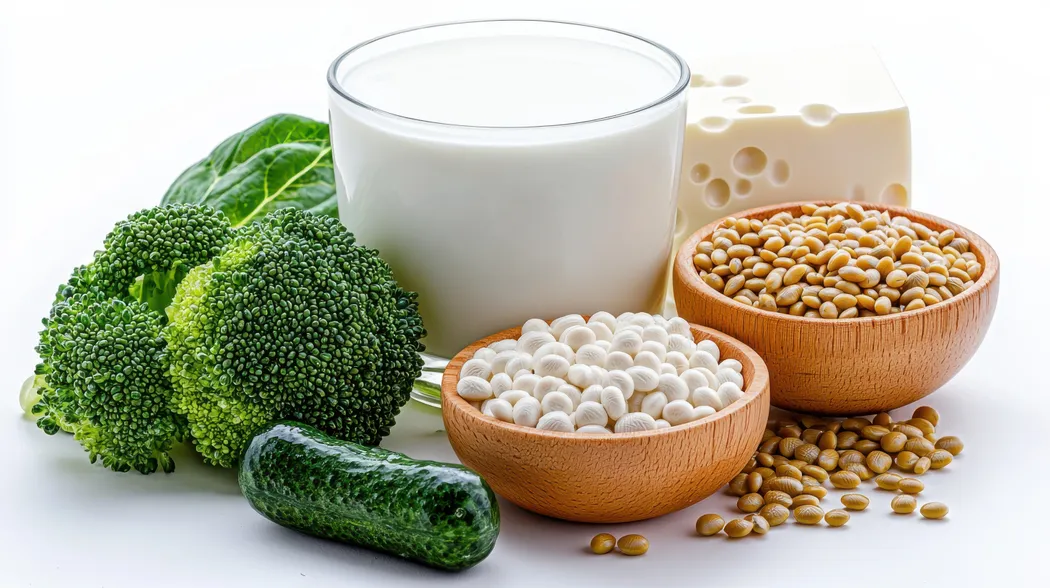
Discover the best calcium-rich foods for your baby. Learn age-by-age calcium needs, safe preparation tips, and how to support strong bone development.
Dr. Abdul Kalam
As a parent, watching your baby reach physical milestones—like sitting up, crawling, pulling themselves up, and taking those first wobbly steps—is an incredibly exciting journey. To support these rapid developmental phases, your little one needs a solid, nutrient-rich foundation. When you begin introducing solid foods, finding the right calcium food for baby meals becomes a top priority.
Calcium is the fundamental building block of strong bones and healthy teeth. It also plays a vital role in muscle contraction, nerve signalling, and heart health. Ensuring your infant gets enough of this vital mineral is essential for their overall development.
Are you looking for the perfect calcium-rich food for baby meals? Or perhaps you are wondering how to weave these nutritional powerhouses into daily purees? This comprehensive guide will break down the best baby calcium food options, explore daily requirements by age, and offer safe, delicious ways to serve them.
Why Calcium is Crucial for Growing Babies?
During the first few years of life, your child’s skeletal system undergoes a massive growth spurt. Feeding your infant strong bones food sets them up for a lifetime of healthy physical activity. If you are searching for high-quality baby bone strength food options, you are in the right place.
Here are the key benefits of calcium-rich foods for your baby’s growing bones: Balanced nutrition: Offer a balanced, nutrient-dense diet to provide the nutrients your baby needs for healthy bone growth and development.
Calcium-rich foods: Include suitable, easily digestible sources of calcium as part of your baby’s complementary diet to support growing bones.
Nutrient-dense meals: Focus on a variety of nutritious foods, as no single food can provide all the nutrients needed for healthy development.
Healthy bone development: Adequate nutrition during early childhood supports the development of strong, healthy bones.
How to Choose the Best Calcium Food for Baby by Age?
Your baby’s nutritional requirements change rapidly during their first two years of life. Here is a helpful breakdown of how to introduce calcium-dense solid foods safely at each stage of development.
Age Group
Daily Calcium Target
Recommended Calcium Sources
0–6 Months
200 mg
Breast milk or infant formula only
7–12 Months
260 mg
Breast milk/formula, yoghurt, cheese, tofu, broccoli
When introducing solids at around six months, breast milk or formula remains your baby’s primary source of nutrition. However, introducing a solid calcium-rich food for 6 month baby alongside milk helps transition them to a varied diet.
While breastmilk is primary, a safe, soft calcium-rich food for 6 month baby can be pureed silken tofu or a tiny scoop of unsweetened plain Greek yoghurt. Always consult your paediatrician before introducing dairy to look out for potential allergies.
8 to 9 Months Old: Textures and Finger Foods
At eight months, your little one is likely exploring mashed textures and soft finger foods. Introducing cooked, finely pureed broccoli or fortified infant oatmeal is a great way to pack nutrients into their day; this makes it a perfect calcium food for an 8-month baby diet.
By nine months, babies can handle more texture and have often developed the "pincer grasp." Excellent options for 9-month baby calcium food include small, soft pieces of pasteurised cheese or mashed canned salmon (with all bones thoroughly removed). Similarly, mashed chickpeas are a wonderful calcium-rich food for 9-month baby snacks that also provide a healthy dose of plant-based protein and dietary fibre.
1 Year Old (12 Months): Transitioning to Family Meals
Turning one is a major milestone at this stage; your child's calcium requirements increase significantly to around 700 mg per day. Serving a calcium-rich food for 1 year baby is key as they transition away from formula or breast milk as their sole liquid source of nutrition.
Unsweetened Greek yoghurt made from whole cow's milk makes an excellent, probiotic-packed 1-year-old baby calcium food. If your child has a diagnosed dairy allergy, fortified soy milk or unsweetened fortified pea milk can serve as an excellent alternative calcium food for 1 year baby.
If you are looking for a versatile calcium-rich food for 1 year baby, try incorporating small portions of pasteurised cheddar cheese cubes, tahini spread thinly on toast, or fortified breakfast cereals.
Toddlers (2 Years Old & Up): Fueling Active Play
Toddlers are notoriously active, and their bones are constantly rebuilding to support physical activity. Finding a high-quality calcium-rich food for toddler meals helps support their running, jumping, and climbing. Incorporating dairy, fortified plant milks, and leafy greens as a key calcium-rich food for 2-year-old baby diets ensures they stay on track.
For a fun twist, you can try blending spinach and banana with milk into a vibrant green smoothie, which serves as a supreme calcium-rich food for toddlers. If you are looking for non-dairy alternatives, calcium-set tofu can be a great, allergen-friendly calcium food for toddlers. Try scrambling eggs with finely crumbled calcium-set tofu, making it a tasty calcium-rich food for a 2-year-old baby breakfast option that your toddler will love.
Finding a high-quality calcium-rich food for babies can feel overwhelming, but many delicious everyday ingredients are naturally packed with this mineral. Why is calcium food for babies so important? Because unlike some vitamins, our bodies cannot produce calcium; it must come entirely from dietary sources.
Preparing home-cooked calcium baby food is simpler than you think. By focusing on whole foods, you can easily formulate a menu filled with calcium-rich baby food options. Here are the absolute best options to include in your kitchen:
1. Plain, Unsweetened Greek Yoghurt
Yoghurt is easily digestible and highly bioavailable, making this a stellar high-calcium food for baby plates. It also provides beneficial probiotics that support digestive health.
Cheese is a concentrated source of calcium and healthy fats. For younger babies, mild ricotta can be stirred into vegetable purees, while older babies can enjoy small shredded pieces of mild cheddar.
3. Calcium-Set Tofu
Tofu is an exceptional, allergen-friendly option. When prepared with calcium sulfate (check the ingredient label), tofu becomes a highly efficient plant-based calcium source. You can mash it, bake it into soft cubes, or blend it directly into fruit smoothies.
4. Sesame Seeds (Tahini)
Sesame seeds are incredibly rich in calcium. Offering a thin spread of unsalted tahini (sesame paste) on soft bread or mixing it into warm oatmeal is a fantastic way to introduce healthy fats and calcium to your baby's diet.
5. Dark Green Leafy Vegetables (Broccoli, Bok Choy, Kale)
While spinach contains oxalates that can hinder calcium absorption, low-oxalate greens like broccoli and bok choy are highly bioavailable. Steamed and finely pureed broccoli or bok choy are packed with micronutrients; these dark leafy greens are an excellent food rich in calcium for babies.
6. Legumes (White Beans, Chickpeas, and Lentils)
Beans are a fantastic dual source of calcium and iron. Canned, low-sodium white beans can be mashed with a little olive oil to make a creamy dip or spread for soft toast.
The Essential Role of Vitamin D
When planning your baby's meals, it is important to remember that calcium cannot do its job alone. Your baby's body needs Vitamin D to absorb calcium efficiently from the digestive tract.
Breastfed Babies: The Centres for Disease Control and Prevention (CDC) recommends that all breastfed infants receive a daily supplement of 400 IU of Vitamin D starting shortly after birth, as breast milk typically does not contain sufficient amounts.
Formula-Fed Babies: If your baby is consuming at least 32 ounces of Vitamin D-fortified infant formula daily, they generally do not require an additional supplement.
Safe Sun Exposure: While sunlight helps the body synthesise Vitamin D, direct sunlight is not recommended for young infants due to their sensitive skin. Focus on dietary sources and paediatrician-approved supplements instead.
Simple Ideas for Preparing Calcium Food for Baby Meals
To make your meal prep easier, here are a few simple ways to combine calcium-rich ingredients into quick, baby-friendly meals:
The Creamy Green Puree (6+ Months): Steam broccoli florets until very soft. Blend with a scoop of full-fat unsweetened Greek yoghurt and a splash of breast milk or formula until completely smooth.
The Protein-Packed Mash (9+ Months): Mash canned, low-sodium white beans with a ripe avocado and a tiny pinch of cumin. This makes a soft, spreadable dip that is perfect for self-feeding.
The Toddler Power Smoothie (12+ Months): Blend 1/2 cup of fortified whole milk (or fortified soy milk), half a banana, a small handful of baby spinach, and one tablespoon of calcium-set silken tofu.
FAQS
Can babies get too much calcium?
Yes, excessive calcium intake (usually caused by over-supplementation rather than whole foods) can lead to dietary imbalances, constipation, and kidney issues. It is best to meet your baby's calcium needs through a balanced diet of whole foods rather than dietary supplements, unless specifically prescribed by your paediatrician.
Can I give my baby cow's milk before 12 months?
According to paediatric guidelines, you should not offer cow's milk as a primary drink to babies under one year of age. Their digestive systems cannot tolerate the high protein and mineral concentrations, and it lacks the necessary iron. However, small amounts of cow's milk cooked into oatmeal or offered as yoghurt and cheese are perfectly safe starting around 6 months, provided there is no dairy allergy.
What are the best non-dairy calcium sources for babies?
Excellent non-dairy calcium sources include calcium-set tofu, low-oxalate leafy greens (like broccoli and bok choy), tahini (sesame paste), white beans, canned salmon (mashed, with bones removed), and calcium-fortified infant cereals.
How can I tell if my baby has a milk allergy or lactose intolerance?
A cow's milk protein allergy (CMPA) is an immune response, causing symptoms like hives, vomiting, bloody stools, or wheezing. Lactose intolerance is rare in infants and usually presents as gas, bloating, and diarrhoea. If you suspect your baby is reacting poorly to dairy, eliminate it from their diet and consult your paediatrician immediately.
Does cooking vegetables reduce their calcium content?
No, cooking does not significantly reduce the calcium content of vegetables. In fact, steaming or boiling green vegetables can make them softer, safer, and much easier for your baby to digest, improving overall nutrient absorption.