logo
0

Can I Use Wipes for Newborn? Safe Wipe Guide

Learn whether you can use wipes for a newborn, what ingredients to look for, how to clean your baby's skin safely and when to use water instead.

article image

Dr.Kamran

Yes, you can use wipes for a newborn, but choosing a gentle product and using it correctly can help protect your baby's delicate skin. Newborn skin is more sensitive and can be more easily irritated by friction and certain ingredients in skincare products.

For routine cleaning, particularly in the first few weeks, plain water and soft cotton pads can be a simple option. If you choose baby wipes, look for products specifically suitable for newborns and preferably fragrance-free and alcohol-free. This guide explains what to look for in newborn wipes, how to use them during diaper changes and when water and cotton may be a better choice.

Can You Use Wipes on a Newborn's Skin?

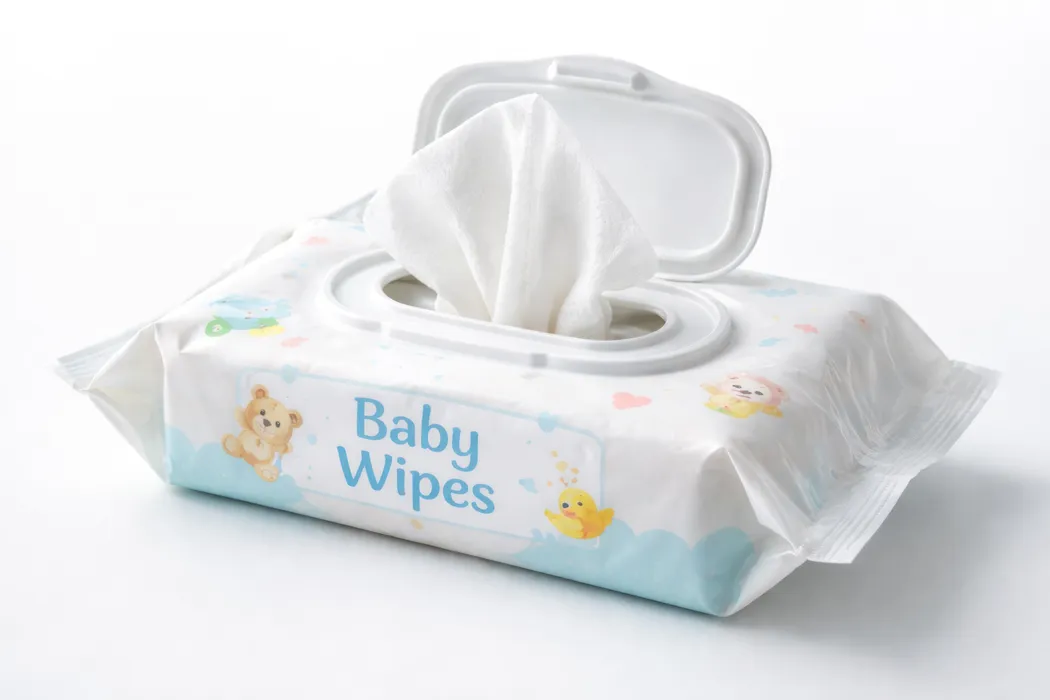
Yes, newborns can use suitable baby wipes. However, not every wipe is appropriate for newborn skin. Products containing fragrance, alcohol or other potentially irritating ingredients may cause dryness or irritation, particularly if your baby has sensitive skin.

For the first few weeks, you may prefer plain lukewarm water and soft cotton pads for routine cleaning. If you introduce wipes, choose a product labelled as suitable for newborns and follow the manufacturer's instructions.

There is no need to avoid all wipes until a specific age. What matters more is the product formulation, your baby's skin and how the wipes are used.

What Should You Look for in Newborn-Safe Wipes?

Reading the product label can help you choose a wipe that is less likely to irritate your baby's skin. There is no single ingredient list that is suitable for every newborn, but simpler, fragrance-free formulations may be preferable, particularly for sensitive skin.

Ingredients and Features to Consider

When choosing wipes for newborn skin, look for:

  • Fragrance-free formulation: Fragrance can irritate sensitive skin and may contribute to contact dermatitis in some babies.
  • Alcohol-free formulation: Alcohol-containing products can be drying or irritating, particularly when used repeatedly on delicate skin.
  • Newborn suitability: Choose wipes specifically labelled for babies or newborns and follow the recommended use.
  • Soft material: A soft, non-woven wipe can help minimise friction during cleaning.
  • Skin-friendly formulation: Products designed to maintain an appropriate skin pH may be suitable for regular use.
  • Minimal unnecessary ingredients: A simpler formulation may reduce exposure to ingredients that could irritate your baby's skin.

Some wipes are marketed as “water wipes” or contain a very high proportion of water. These may be suitable for some newborns, but the term does not by itself guarantee that a product will suit every baby's skin. Preservatives are still required in many pre-moistened wipes to prevent microbial contamination.

You do not need to avoid an ingredient simply because it has a complex name. If your baby has eczema, a known allergy, or repeatedly develops irritation after using wipes, ask your doctor or pharmacist to help you identify suitable products.

How Should You Use Wipes During a Diaper Change?

Using gentle technique is as important as choosing an appropriate wipe. Excessive rubbing can irritate the skin even when the wipe itself is suitable.

During a diaper change:

  • Clean gently: Use the wipe with gentle strokes rather than scrubbing the skin.
  • Wipe from front to back: For girls, clean from the front towards the bottom to reduce the transfer of bacteria from the bowel towards the urinary tract.
  • Clean boys gently: For boys, clean the penis, scrotum and surrounding skin gently when soiled. Do not forcibly retract the foreskin of an uncircumcised baby.
  • Use a fresh section for each pass: This helps avoid spreading stool back over already-clean skin.
  • Dry the skin: Gently pat the area dry if it remains damp after cleaning.
  • Give the skin some air: Allow a short period without a diaper when practical before putting on a clean one.

Change the diaper promptly when it is soiled. Prolonged contact with stool and moisture can contribute to diaper rash, and frequent changes are an important part of newborn skin care.

When Should You Use Water Instead of Wipes?

Wipes are convenient, but there are situations where plain water and a soft cloth or cotton pad may be more comfortable for your baby.

Around the Umbilical Cord Stump

The umbilical cord stump should be kept clean and dry while it separates naturally. Avoid rubbing wipes directly over the stump or keeping it unnecessarily wet.

Keeping the front of the diaper folded below the stump can help prevent rubbing and contact with urine. For more information, read our guide to newborn belly button and umbilical cord care.

During Active Diaper Rash

If your baby has raw, broken or inflamed skin, even gentle wipes may cause discomfort. Using lukewarm water and a soft cloth or cotton pad may be more comfortable until the irritation settles.

If the rash is severe, persistent or associated with broken skin, blisters, discharge or fever, consult your doctor rather than relying only on changes to your cleaning routine.

If Your Baby Has Sensitive Skin

Babies with eczema, recurrent skin reactions or known contact allergies may be more sensitive to particular wipe ingredients. If you notice repeated irritation after using a particular product, stop using it and discuss suitable alternatives with your healthcare professional.

Can Wipes Cause Skin Irritation or Diaper Rash?

Yes. Wipes can contribute to skin irritation in some babies, particularly if they contain fragrances or other ingredients that do not suit the baby's skin. Repeated rubbing during cleaning can also contribute to irritation.

However, diaper rash is not necessarily caused by wipes. Prolonged exposure to urine or stool, friction, diarrhoea and other factors can also cause or worsen the rash.

Signs that a wipe or another product may be irritating your baby's skin include:

  • Persistent redness: Redness continues or becomes worse after repeated use.
  • New rash: A rash develops after introducing a particular wipe or skincare product.
  • Swelling or hives: These may indicate a possible allergic reaction and require medical advice.
  • Broken or weeping skin: The skin becomes raw, cracked, blistered or develops discharge.
  • Widespread irritation: The rash extends beyond the area normally exposed to urine or stool.

If your baby develops a suspected reaction to a wipe, stop using the product and seek medical advice. Keep the packaging or ingredient list available if possible, as this can help identify the suspected trigger.

For general information about caring for minor cuts and skin irritation, you can also read our guide to treating minor cuts and wounds. Broken or significantly inflamed newborn skin should be assessed by a healthcare professional before applying treatments.

When Should You Consult a Doctor About Skin Irritation?

Most mild irritation improves after removing the suspected trigger and using gentle skin care. However, some symptoms require medical assessment.

Consult your doctor if:

  • The rash persists: Skin irritation does not improve after stopping the suspected product and providing appropriate skin care.
  • The skin is broken: You notice open sores, significant cracking or bleeding.
  • There are signs of infection: The skin develops pus, yellow crusting, marked swelling, or rapidly spreading redness.
  • Blisters develop: Your baby develops blisters or unusual fluid-filled lesions.
  • Your baby has a fever: Fever occurs alongside a rash or skin infection.
  • Your baby seems unwell: Your baby is unusually sleepy, distressed or difficult to settle.
  • The reaction is severe: Your baby develops widespread hives or significant swelling.

Conclusion

Newborns can use suitable baby wipes, but gentle products and careful technique are important. Fragrance-free, alcohol-free wipes designed for newborns may be suitable for routine diaper changes, while plain lukewarm water and soft cotton pads can be a useful alternative, particularly when the skin is irritated.

Pay attention to your baby's skin after introducing any new product. If persistent redness, broken skin, blisters, swelling or other concerning symptoms develop, stop using the suspected product and consult your doctor.

FAQS

Can newborns use regular baby wipes?

Newborns can use baby wipes that are specifically suitable for their age, but not every regular wipe will suit newborn skin. Choose a gentle, preferably fragrance-free and alcohol-free formulation, and follow the manufacturer's directions. Plain water and soft cotton pads are also suitable for routine cleaning.

Are water wipes better than regular wipes for newborns?

Wipes containing a high proportion of water may have a relatively simple formulation, but they are not automatically better for every newborn. Check the complete ingredient list and choose a product that is suitable for newborns and does not irritate your baby's skin.

How often should I change and wipe a newborn?

Change your newborn's diaper whenever it is wet or soiled, and change a soiled diaper promptly. The exact number of changes varies between babies. You do not need to use a wipe at every change if the skin is clean. Plain water and a soft cotton pad can also be used.

Can wipes cause diaper rash?

Yes, some wipes may contribute to skin irritation or diaper rash, particularly if they contain fragrances or other ingredients that do not suit your baby's skin. Friction from repeated rubbing can also worsen irritation. If a rash develops after introducing a new wipe, stop using it and seek advice if it does not improve.

What age can babies start using scented wipes?

There is no specific age at which scented wipes become necessary or universally suitable. Fragrance can irritate sensitive skin, so fragrance-free wipes are generally a sensible choice for babies, particularly those with sensitive or eczema-prone skin.

Apollo 247 Floating Action Button