logo
0

Carrot Puree for Babies: Recipes and Nutrition Guide

Learn how to make carrot puree for babies with simple homemade recipes, nutrition benefits, age-wise feeding guidance, texture tips, combinations and safe storage methods.

article image

Dr.Mayank

Starting your child on solid foods is an incredibly exciting milestone for parents. When it comes to choosing first foods, preparing a fresh carrot puree for baby nutrition is a classic, nutrient-dense choice. Sweet, mild, and easy to digest, carrots are highly recommended by paediatricians when introducing complementary foods.

But when exactly should you start? Parents often ask: is carrot good for babies, and can I give carrot to my 6-month-old baby? According to the World Health Organisation (WHO) and the Centres for Disease Control and Prevention (CDC), babies should start eating solid foods around six months of age. If you are wondering, "Can I give carrot puree to my 6-month-old baby?" the answer is a resounding yes. A healthy infant will love the natural sweetness of this root vegetable, and seeing your baby eating carrot puree for the first time is a joyful memory you will cherish forever. Making your own carrot baby food at home is incredibly simple, cost-effective, and ensures your child gets the freshest vitamins without any artificial additives.

The Nutritional Benefits of Carrot Puree for Babies

Before learning how to cook it, let's explore why carrots make such an outstanding first food. There are numerous carrot puree benefits for baby physical and cognitive development. Carrots are packed with beta-carotene, an antioxidant that the body converts into Vitamin A, which is essential for healthy vision, cell growth, and immune function.

If you are wondering if it is good for babies, the answer lies in its rich profile of antioxidants, vitamins, and dietary fibre. Here are some of the key benefits of carrot puree for a 6-month-old baby that support early growth:

  • Supports Vision Development: The high concentration of beta-carotene promotes healthy eyesight and retinal health.
  • Boosts Immune System Function: Vitamin A and Vitamin C help build a strong, resilient immune defence system.
  • Gentle on Developing Tummies: Carrots contain dietary fibre, which is easy on developing digestive systems and helps prevent infant constipation.
  • Aids Cellular Growth: The presence of essential minerals like potassium and calcium supports healthy bone and muscle development.

Parents often ask: is it good for 6 month baby diets? Yes, the vitamins and mineral content support rapid growth at this developmental stage. Known affectionately as gajar puree for baby in many households, this vibrant, orange dish is an excellent, naturally sweet carrot food for baby health that encourages lifelong healthy eating habits. Understanding the nutritional benefits of carrot puree for 6-month baby development makes preparing this fresh meal at home even more rewarding.

What Age Can Babies Safely Eat Carrot Puree?

While the American Academy of Paediatrics (AAP) and WHO recommend waiting until around 6 months of age to introduce solids, some parents introduce foods slightly earlier depending on their paediatrician's guidance and the baby's individual developmental readiness.

4 Months Old: Feeding it for a baby 4 months old is rare and should only be done under direct medical advice if a baby shows all physical signs of readiness, such as sitting upright with support and losing the tongue-thrust reflex.

5 Months Old: Some parents introduce carrot puree for 5-month baby diets as a transitional food. If you are asking, can I give carrot to my 5-month-old baby, or looking for a safe recipe for carrot puree for baby 5 months (or carrot puree for 5 months baby), make sure your baby can hold their head steady and shows active interest in food.

6 Months Old: This is the golden window. Introducing a 6-month-old baby carrot puree is ideal. Highly digestible carrot puree for 6 month baby transition is smooth. Whether you make a batch of carrot puree for 6 months baby or carrot puree for a 6-month-old baby, it will satisfy their growing appetite. If you've been questioning, can give carrot puree to a 6-month-old baby, pediatric guidelines say absolutely.

7 to 8 Months Old: If you wait a bit longer, serving carrot puree for 7-month-old baby meals or carrot puree for baby 7 months is still incredibly beneficial. By this stage, you can ask your paediatrician: can we give carrot puree to 7 month baby daily? Yes, and you can even continue offering carrot puree for 8 months baby development alongside other textured foods.

Choosing and Preparing the Perfect Carrots

When shopping for ingredients, you might wonder which carrot is good for babies. Always choose firm, brightly colored, organic whole carrots when possible. Organic carrots minimise exposure to synthetic pesticides. Avoid using pre-cut baby carrots, as they are often treated with chlorine washes to preserve freshness. Fresh, whole-field carrots provide the best flavour, sweetness, and nutritional profile for your child.

How to Make Carrot Puree for Baby: Step-by-Step Recipe

Learning how to make carrot puree for baby meals is remarkably simple. Making homemade carrot baby food ensures that your little one is eating fresh ingredients with zero preservatives or added sugars. Preparing a fresh, nutritious carrot puree for baby ensures they get the best start.

Below is a highly versatile carrot puree recipe for baby nutrition that you can easily customise. Here is how to prepare carrot puree for baby health safely:

Ingredients:

3-4 large organic carrots (peeled and chopped into small rounds)

Water, breast milk, or prepared formula (for thinning the puree)

Step-by-Step Guide:

1. Wash and Peel: Wash the carrots thoroughly under running water to remove any surface dirt. Peel them completely, as the outer skin can sometimes have a bitter taste and be harder for an infant to digest.

2. Chop: Slice the carrots into even, thin rounds. This ensures they cook uniformly and quickly, retaining as many nutrients as possible.

3. Cook: This is where you can choose between steaming or boiling (details on methods below). Cook until the carrots are fork-tender.

4. Blend: Place the warm cooked carrots into a food processor or high-speed blender. Add a splash of cooking water, breast milk, or formula to get the desired consistency.

5. Cool and Serve: Allow the fresh baby carrot puree to cool to room temperature before feeding it to your child.

Whether you are looking up how to make carrot puree for 6 months baby or how to make carrot puree for a 6-month-old baby, this basic method is the gold standard. Once you master this, you will love making carrot puree for a baby in a homemade style. It is much more affordable than store-bought jars. Plus, this nutritious carrot recipe for baby development can be frozen in silicone trays for easy meal prep later. There is nothing more satisfying than serving homemade carrot puree baby food, knowing exactly what went into your child's bowl.

For parents seeking a reliable carrot baby food puree or planning on making a batch of homemade carrot baby puree, you can store leftovers in an airtight container in the refrigerator for up to 3 days, or freeze them for up to 3 months. This carrot puree baby food homemade approach is safe, hygienic, and comforting. Many parents prefer baby carrot puree homemade options over commercial brands because it retains more natural vitamins and vibrant flavours. Creating homemade carrot puree for baby consumption lets you control the texture perfectly as your baby grows.

Steaming vs. Boiling: Which Method is Best?

When making carrot puree baby meals, parents often debate between steaming and boiling. Both methods are great, but steaming is generally preferred because it retains more water-soluble vitamins.
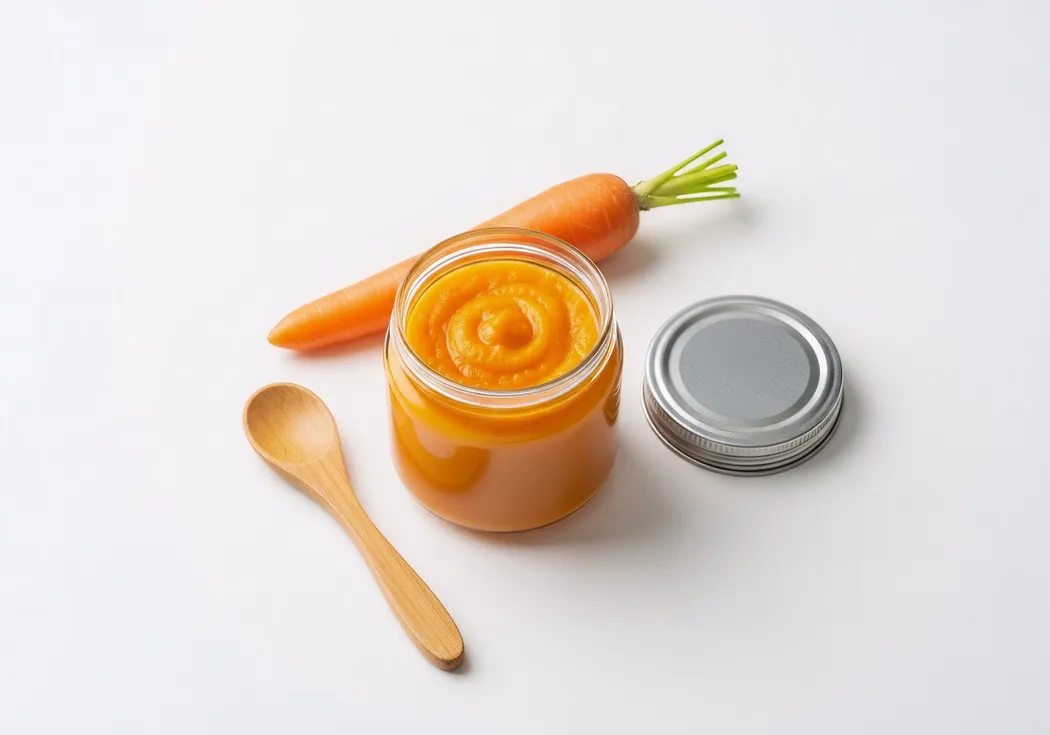
1. The Steaming Method

  • Using a steamed carrot puree for baby meal prep keeps the essential nutrients locked inside the vegetable.
  • To make steamed carrot baby food, place your sliced carrots in a steamer basket over boiling water.
  • Cover and steam for about 10 to 15 minutes.
  • Once tender, blend to create a velvety steamed carrot baby food puree.
  • Using steamed carrot baby puree is a wonderful way to preserve the natural sweetness of the carrots. This steamed carrot puree baby food is simple to prepare and delicious.

2. The Boiling Method

  • If you don't have a steamer basket, making a boiled carrot puree baby dish is a quick alternative.
  • Place the sliced carrots in a small saucepan and cover them with water.
  • Bring to a boil, then reduce heat and simmer for 12-15 minutes until tender.
  • Drain the carrots, but keep the cooking liquid. You can use this nutrient-rich water to blend your pureed carrot baby food.

Both methods allow you to make soft textures that can eventually transition into a textured steamed carrot mash baby food, a steamed carrot mashed baby food, a boiled carrot mashed baby food, or a boiled carrot mash baby food as your child develops chewing skills.

Achieving the Perfect Smooth Texture

For babies who are just starting on solid foods, lumps can be a choking hazard. Therefore, your first attempts at carrot puree for baby must be completely smooth and runny.

To create a carrot puree baby smooth enough for early feeding, follow these easy tips:

  • Use a High-Powered Blender: A high-quality blender or food processor is key to achieving a flawless carrot puree baby smooth texture.
  • Strain if Necessary: If you notice any stubborn fibres, press the puree through a fine-mesh sieve to make a perfect carrot puree baby food smooth dish.
  • Add Plenty of Liquid: Start by adding breast milk, formula, or the reserved cooking water. Adding warm liquid yields a beautiful steamed carrot puree baby smooth consistency.
  • Blend While Warm: Blending the carrots while they are still warm makes it much easier to create a velvety carrot puree smooth baby food texture.

Your goal is a gorgeous, vibrant carrot puree baby smooth orange colour that looks highly appetising. Achieving a carrot puree baby smooth orange puree is easy with fresh carrots. Serving a safe carrot puree smooth baby meal gives you peace of mind during mealtime. This simple carrot puree baby smooth homemade approach ensures your baby enjoys a consistent, safe, and nutritious mashed carrot baby food puree that slides down easily.

Transitioning to Textured Mashed Carrots

As your baby grows and develops stronger jaw muscles (usually around 7 to 8 months), you can transition away from smooth purees. You can begin offering a slightly thicker mashed carrot baby food instead.

Making a mashed carrot baby puree is simple. Instead of using a blender, take your tender cooked carrots and mash them with a fork or a potato masher. This creates a chunky mashed carrot puree baby meal that helps your child practice chewing. You can make either a boiled mashed carrot baby food or a soft steamed mashed carrot baby food depending on your preferred cooking style. Providing a textured carrot mash baby food helps expand your baby's oral motor skills and prepares them for table foods.

Delicious Carrot Puree Combinations for Baby

Once your baby has enjoyed single-ingredient carrots for a few days without any allergic reactions, you can start experimenting with a variety of carrot puree combinations for baby meal times. Mixing carrots with other mild vegetables or grains is a wonderful way to introduce complex flavours.

Here are some delicious ideas for your next carrot combination baby food prep:

1. Carrot and Potato Blend

Potatoes add a wonderfully creamy texture. You can try making a carrot potato mash baby food or a potato carrot mash baby food for older infants. For younger babies, blend them into a silky carrot potato puree baby dish or a carrot potato puree baby smooth mixture. Feeding your little one a comforting mashed potato carrot baby food or a nutritious vegetable puree baby carrot potato mash is sure to keep them satisfied and happy.

2. Carrot and Peas

Green peas add a touch of sweetness and plenty of protein. A vibrant carrot and peas puree for baby is an excellent way to introduce green vegetables into their diet.

3. Carrot and Rice

Grains can make a puree much more filling. Prepare a carrot rice puree baby dish for a smooth option, or a textured carrot rice mash baby food as your baby transitions to table foods.

Safe Storage and Freezing Tips

To keep your homemade carrot puree baby food safe and nutritious, follow these simple storage guidelines:

  • Refrigeration: Store fresh puree in an airtight container for up to 3 days.
  • Freezing: Spoon the puree into clean silicone ice cube trays. Once frozen solid, transfer the cubes into a freezer-safe bag. This allows you to defrost individual portions as needed.
  • Defrosting: Safely thaw frozen cubes overnight in the refrigerator. Never re-freeze defrosted baby food.

FAQS

Can I give carrot puree to my 6-month-old baby at night?

Yes, you can absolutely offer a serving of carrot puree for a 6-month-old baby at dinner time. It is usually best to introduce new foods during the morning or afternoon. This allows you to monitor your baby for any signs of an allergic reaction or digestive discomfort throughout the day. Once your baby is used to it, serving carrot puree homemade baby food at night is safe and highly satisfying. If you decide to feed your baby, make sure can i give carrot puree to 6 month baby guidelines are followed: keep the portion small and feed them at least an hour before bedtime to prevent spit-ups.

Is carrot puree good for a 6-month-old baby every day?

Yes, carrot puree is good for 6 month baby daily meals. Carrots are highly nutritious, but it is always best to offer a variety of vegetables to ensure a balanced intake of nutrients. Serving a mix of orange, green, and yellow vegetables helps expand your baby's palate.

How do you store homemade carrot baby food?

You can store homemade carrot puree baby food in the refrigerator in an airtight container for up to 3 days. For longer storage, freeze the puree in clean silicone ice cube trays, then transfer the frozen cubes to a labelled, freezer-safe bag for up to 3 months.

Can carrots cause constipation in babies?

Generally, carrots do not cause constipation. Cooked carrots contain dietary fibre, which helps promote healthy bowel movements. However, every baby's digestive system is unique. If your baby is transitioning to solids for the first time, their stools will naturally change in consistency. Always ensure your baby is getting enough breast milk or formula alongside solid foods to stay hydrated.

Do I need to peel carrots before making baby food?

Yes, it is highly recommended to peel carrots before making baby food. The skin can be tough, bitter, and harder for an infant's delicate digestive system to process. Peeling also helps remove any residual dirt, bacteria, or pesticide residues that may remain on the surface of the vegetable.

Apollo 247 Floating Action Button