logo
0

Cheese and Butter for Babies

Discover which cheese is good for babies, when to introduce dairy safely, the benefits of butter for brain development, and expert feeding tips.

article image

Dr.J.T.Hema Prathima

Starting your baby on solid foods is an exciting milestone. As you transition your little one from a diet of exclusive breast milk or formula, you will likely find yourself wondering about the safety and nutritional value of various dairy products. Among the most common questions parents ask are: which cheese is good for babies, and is butter safe for infant consumption?

Dairy products like cheese and butter are nutrient-dense foods that can offer incredible support for your growing child. However, because a baby's digestive system and kidneys are still developing, introducing these rich foods requires a bit of care.

In this comprehensive guide, we will break down everything you need to know about introducing cheese and butter to your baby. We will explore the nutritional benefits, safety precautions, and how to choose the best options to keep your little one healthy and happy.

When to Introduce Cheese to Baby?

One of the most common points of confusion for new parents is the timeline for introducing dairy. You might have heard that babies should not have cow's milk until they turn one year old. While this is true for cow's milk as a drink, other dairy products like cheese and yoghurt can be introduced much earlier.

So, when to introduce cheese to baby? According to the Centers for Disease Control and Prevention (CDC), you can begin introducing dairy foods like cheese and yogurt around 6 months of age, once your baby has started showing signs of readiness for solid foods.

If you are wondering, "Can I give cheese to my baby early on?" the answer is yes, provided it is prepared safely. By the time your child reaches late infancy, you can easily incorporate dairy into their daily diet. If you are asking, "Can I give cheese to my 10 month old baby?" or "Can I give cheese to my 1 year old baby?", the answer is a resounding yes! At these stages, your baby can benefit immensely from the healthy fats, calcium, and protein found in cheese.

Which Cheese is Good for Babies: Safe and Healthy Options

When shopping for your little one, you might feel overwhelmed by the sheer variety in the dairy aisle. Knowing which cheese is good for babies is crucial to making the right purchase.

The most important rule when deciding what cheese is good for babies is to check the label for pasteurization. You should only purchase cheeses made from pasteurised milk. Which cheese is safe for babies? Pasteurized, full-fat, and low-sodium cheeses are the gold standard.

1. Pasteurised Cheddar Cheese

If you are wondering, is cheddar cheese good for babies? Yes, it is excellent! Mild cheddar is highly recommended because it is pasteurized, naturally lower in lactose, and has a firm texture that is easy to grate or melt.

2. Mozzarella (Whole Milk)

Mozzarella is soft, mild in flavour, and naturally low in sodium. This makes it a fantastic good cheese for babies who are just starting to explore different textures. Opt for fresh mozzarella or low-moisture part-skim options.

3. Ricotta and Cottage Cheese

Both of these are excellent soft cheeses. However, cottage cheese can sometimes be high in sodium, so look for low-sodium varieties.

4. Swiss Cheese

Swiss cheese is naturally low in sodium and has a mild, nutty flavor that many babies enjoy. It is a highly safe and nutritious option for self-feeding.

What to Avoid: Is Amul Cheese Good for Babies?

Many parents ask, is amul cheese good for babies? Amul cheese is a highly popular brand of processed cheese. While convenient, processed cheeses like Amul blocks, slices, or spreads often contain high levels of sodium, emulsifiers, and preservatives.

Because a baby's kidneys are still maturing, they cannot process large amounts of salt. Therefore, while a tiny taste of Amul cheese occasionally won't harm an older baby, it is best to avoid processed cheeses as a regular dietary staple. Stick to natural, unprocessed, low-sodium cheeses instead.

Nutritional Benefits: Is Cheese Good for Babies?

To answer the question, is cheese good for babies? Yes, absolutely! Cheese is a powerhouse of nutrition. When introduced correctly, cheese is good for babies because it supports their rapid growth and developmental milestones.

Here are the primary health benefits of making cheese good for babies a regular part of their diet:

  • Supports Bone and Teeth Development: Cheese is exceptionally rich in calcium and phosphorus, which are vital for building strong bones and teeth.
  • High-Quality Protein: Protein is the building block of life. The protein in cheese helps support muscle growth and cell repair.
  • Healthy Fats for Energy: Babies require a diet rich in healthy fats to support their high energy levels and metabolic functions.
  • Vitamin-Rich: Cheese contains Vitamin A (for healthy vision and immunity) and Vitamin B12 (for red blood cell formation and nervous system function).

So, if you are looking for confirmation on whether cheese safe for babies is also healthy, you can rest assured that it provides essential nutrients that support your baby's thriving physical health.

Butter for Babies: Is Butter Good for Babies?

Just like cheese, butter is another dairy product that parents often hesitate to introduce. You might wonder: is butter good for babies?

Yes, butter is good for babies when served in moderation. In fact, butter is good for babies and serves as an excellent source of concentrated energy and essential fats that are necessary during the rapid growth phases of infancy.

Is Butter Good for Babies' Brain Development?

A baby’s brain grows at an astonishing rate during the first two years of life. In fact, about 60% of the human brain is made of fat. This is why paediatricians emphasise that babies need dietary fats.

So, is butter good for babies' brain development? Yes! Butter contains cholesterol and saturated fats, which play a vital role in developing the myelin sheath, the protective coating around nerve fibres in the brain and nervous system. It also contains fat-soluble vitamins like Vitamin A, D, E, and K, which are essential for neurological health.

Which Butter is Good for Babies?

When selecting butter for your little one, keep these tips in mind:

  • Unsalted Butter: This is the most crucial factor. Babies should not consume added salt, so always choose unsalted butter to protect their delicate kidneys.
  • Grass-Fed Butter: If accessible, grass-fed butter is ideal because it contains higher levels of Omega-3 fatty acids and beta-carotene, which offer enhanced support for brain health and immunity.

How to Serve Cheese and Butter Safely to Your Baby

While is cheese safe for babies is generally answered with a yes, safety relies heavily on how the food is prepared and served. Choking is a primary concern during the first year of life.
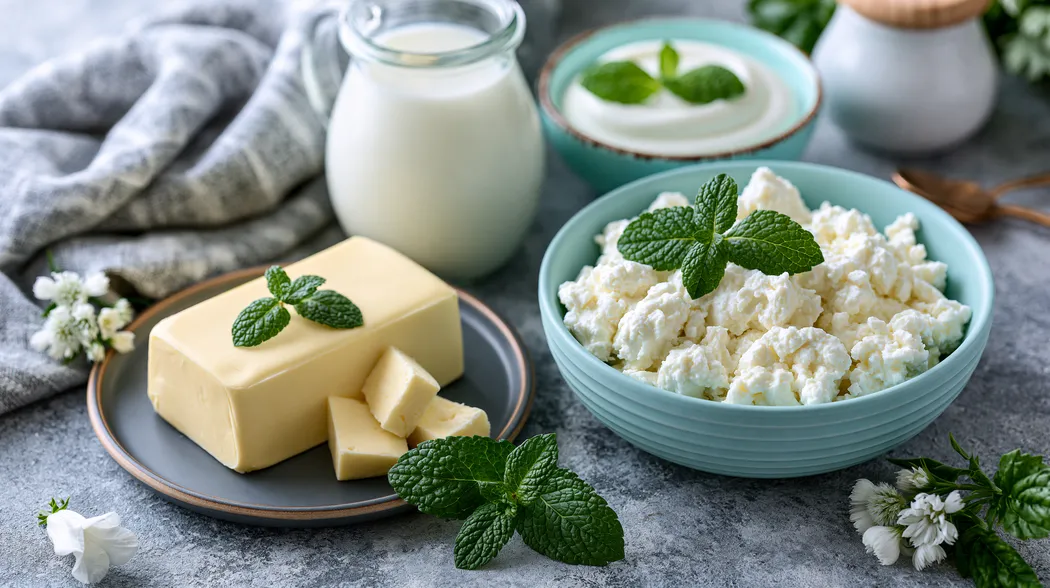
Serving Cheese Safely:

  • 6 to 9 Months: At this stage, offer pasteurised cheese grated, finely shredded, or melted thinly over vegetables or toast. Avoid giving large chunks or cubes of cheese, as these can easily lodge in a baby's airway.
  • 9 to 12 Months: As your baby develops their "pincer grasp" (picking up food with their thumb and index finger), you can offer tiny, paper-thin slices of cheese or small, soft crumbles of goat cheese or feta.
  • 12 Months+: By this stage, you can confidently answer yes to "can i give cheese to my 1 year old baby?" You can offer small, bite-sized cubes, but always supervise your child while they eat.

Serving Butter Safely:

  • Stir a small teaspoon of unsalted butter into warm oatmeal, mashed potatoes, or vegetable purées.
  • Spread a thin layer of unsalted butter on a small strip of lightly toasted whole-grain bread to help your baby practice self-feeding.

Precautions: Allergies and Intolerances

Because cheese and butter are dairy products made from cow's milk, you must monitor your baby for any signs of an allergic reaction.

Milk Protein Allergy vs. Lactose Intolerance

  • Cow’s Milk Protein Allergy (CMPA): This is an immune system reaction to the proteins in milk. Symptoms include hives, swelling, vomiting, wheezing, or blood in the stool. If you suspect CMPA, consult your pediatrician immediately.
  • Lactose Intolerance: This is a digestive issue where the body lacks the enzyme lactase to break down milk sugars. It is actually quite rare in infants and usually presents as gas, bloating, and diarrhoea. Interestingly, hard cheeses like Cheddar and Swiss have very little lactose, making them easier to tolerate.

Tip: When introducing dairy for the first time, follow the "three-day rule." Introduce cheese or butter on its own, and wait three days before introducing another new food. This makes it easier to identify the culprit if an allergic reaction occurs.

Summary Table: Quick Guide to Cheese & Butter for Babies

Food ItemRecommended AgeBest VarietiesFeeding Tip
Cheddar Cheese6+ MonthsPasteurised, MildGrate finely or melt thinly over soft veggies.
Mozzarella6+ MonthsPasteurised, Whole MilkShred or serve in very thin, bite-sized strips.
Ricotta/Cottage Cheese6+ MonthsPasteurised, Low-SodiumStir directly into vegetable purées or serve with a spoon.
Unsalted Butter6+ MonthsGrass-fed, UnsaltedMelt a small teaspoon into warm oats, mashed potatoes, or purées.
Processed CheeseAvoid/LimitN/AAvoid due to high sodium and food additives.

Conclusion

Cheese and butter can be included in a baby’s complementary diet in age-appropriate amounts when introduced at the appropriate stage. Cheese can provide protein and calcium, while butter mainly contributes energy and fat. Choose pasteurised, lower-salt cheese and use butter in small quantities rather than relying on either food as a major source of nutrition. Avoid processed cheese products that are high in sodium and check labels when choosing packaged options. By offering these foods alongside fruits, vegetables, grains, pulses, and other nutrient-rich foods, parents can maintain a varied and balanced diet as their baby grows.

FAQS

Can babies eat cheese every day?

Yes, babies can eat cheese daily, but it should be offered in moderation as part of a balanced diet. Because cheese can be naturally high in sodium, keep portion sizes small (such as a tablespoon of grated cheese) and complement it with fruits, vegetables, and whole grains.

Which cheese is safe for babies starting solids at 6 months?

For babies starting solids, soft or melted pasteurised cheeses with low sodium are best. Finely grated mild cheddar, pasteurised ricotta, or whole-milk mozzarella are excellent, safe options to begin with.

Can I give cheese to my 10 month old baby if they don't have teeth yet?

Yes, absolutely! Babies do not need teeth to chew soft foods like cheese; they use their strong gums to mash food. Just ensure the cheese is finely grated or melted to eliminate any choking hazards.

Which butter is good for babies: salted or unsalted?

Always choose unsalted butter for your baby. An infant's kidneys are not fully developed enough to process the added sodium found in standard salted butter.

Is Amul cheese good for babies as a daily snack?

No, Amul cheese and other processed cheese brands are not recommended for daily consumption by babies. They contain high levels of sodium and preservatives. It is much healthier to feed your baby natural, unprocessed cheeses.

Apollo 247 Floating Action Button