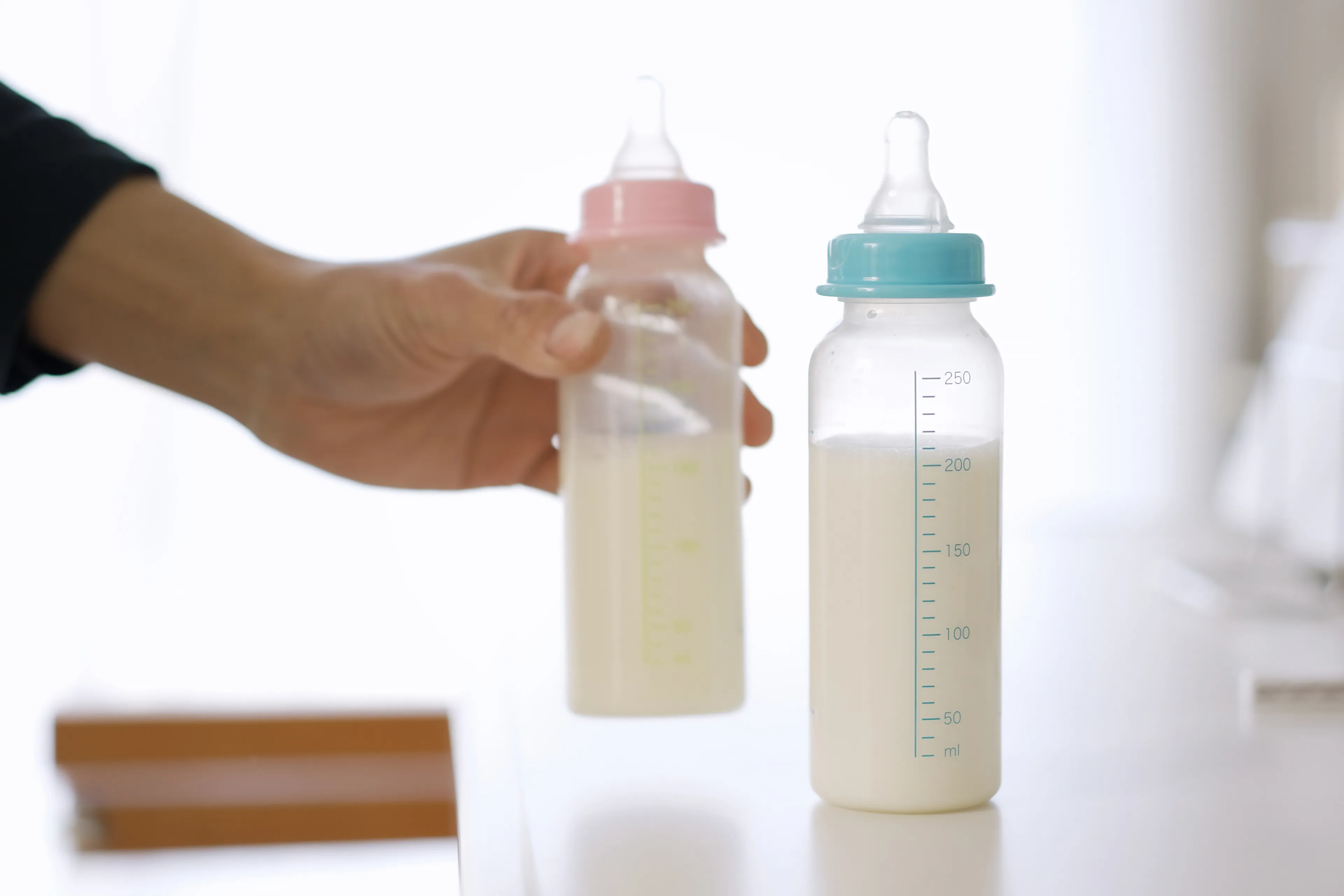
How to Choose the Right Newborn Milk Bottle for Your Baby
Learn how to choose the right newborn milk bottle, including bottle materials, nipple types, size, feeding safety, cleaning and sterilisation tips for your baby.
Dr.J.T.Hema Prathima
Picking the right newborn milk bottle feels simple until you are standing in a store aisle facing dozens of shapes, materials, and nipple types with a sleep-deprived brain. The choice matters more than it looks: the wrong bottle can contribute to gas, colic, and poor feeding habits that leave both baby and parent exhausted. This guide cuts through the noise so you can make a confident, safe decision, covering the best bottle for newborn baby needs across materials, nipple flow, and cleaning routines.
How to Choose a Safe Milk Bottle for Your Newborn
Five things are worth checking before you buy.
Material safety: Always choose a BPA-free baby bottle. BPA (bisphenol A) is a chemical found in some older plastics and should be avoided in products used for your baby's milk.
Nipple flow rate: Choose a slow-flow teat designed for newborns. A flow that is too fast can cause gulping, coughing, choking or excessive air swallowing.
Bottle size: Start with smaller bottles, around 60–90 mL, during the first few weeks and move to larger sizes as your baby's feed volumes increase.
Easy cleaning: Wide-neck bottles can be easier to clean thoroughly, while bottles with fewer parts have fewer areas where milk residue can collect.
Anti-colic design: Bottles with a venting system may help reduce the amount of air a baby swallows during feeding, which may help reduce feeding-related discomfort.
A practical tip: buy two or three bottles first and test them before stocking up, since every baby feeds differently.
Bottle Materials Compared: Glass, Plastic, and Silicone
The glass vs plastic baby bottle debate comes down to your priorities. Here is a clear comparison.
Feature
Glass
Plastic (BPA free)
Silicone
Chemical
Excellent
Good if BPA free
Excellent
Durability
Breaks if dropped
Scratch-resistant
Very durable, flexible
Weight
Heavier
Light
Light to medium
Heat resistance
High
Moderate
High
Cost
Higher
Budget-friendly
Mid to high
Eco-friendliness
Recyclable
Less recyclable
Long-lasting, less waste
Glass is chemically inert, holds no odour, and does not degrade with repeated sterilisation. The main downside is weight and breakage risk. A silicone sleeve helps with grip and shock absorption.
A BPA free plastic bottle is the most common choice in India because it is light and affordable. Look for recycling codes 2, 4, or 5 on the base, and replace any bottle that shows scratches or cloudiness. Micro-abrasions harbour bacteria and can leach chemicals over time.
Silicone is soft, shatter-resistant, and free of harmful chemicals. It costs more than standard plastic but is a good middle ground for parents who want flexibility without the fragility of glass.
For newborns, glass or silicone tends to be the safest long-term pick if the budget allows.
Nipple Types and Flow Rates Explained
Understanding baby bottle nipple types helps you match the feed to your baby's pace and comfort. Two factors matter most: shape and material.
Shape
Round nipples follow a traditional bottle shape and suit most babies well. Orthodontic nipples have a flat base designed to align with the palate and may support healthy oral development. If your baby is also breastfeeding, a wider breast-shaped base makes switching between breast and bottle easier.
Material
Silicone nipples are firm, clear, odourless, and last longer. Most parents prefer them for daily use. Latex nipples are softer and more flexible, which some babies find more comfortable, but latex can cause allergic reactions in sensitive babies. If your baby shows skin redness, unusual fussiness, or swelling after a feed, switch to silicone and speak to your paediatrician promptly.
Flow Stages by Age
Stage
Flow Speed
Typical Age
Stage 1 / Slow
Slow
0 to 3 months
Stage 2 / Medium
Medium
Medium 3 to 6 months
Stage 3 / Fast
Fast
6 months and above
Newborns always start at Stage 1. If milk drips from the nipple without any sucking, the flow is too fast. If your baby works very hard to extract milk and tires before finishing a feed, try moving up a stage.
How to Clean and Sterilise Baby Bottles Safely?
Knowing how to sterilise baby bottles correctly is as important as choosing the right one. A newborn's immune system is still maturing, and milk residue left in a bottle is an ideal environment for bacteria to grow.
Step-by-Step Cleaning Routine
Rinse the bottle immediately after each feed so milk does not dry inside.
Disassemble all parts: bottle, nipple, ring, and cap.
Wash each part with hot soapy water and a dedicated bottle brush, paying close attention to the nipple tip and bottle neck.
Rinse thoroughly under running water.
Sterilise using one of the methods below.
Air-dry on a clean rack. Do not wipe with a cloth as this can transfer bacteria.
Store in a covered container until the next feed.
Sterilisation Methods
Boiling: submerge all parts and boil for 5 minutes. Simple and low-cost, but not ideal for all plastic types if used repeatedly.
Electric steam steriliser: fast, effective, and gentle on materials. A popular choice for Indian households.
Microwave steam steriliser: quick and convenient; confirm your bottles are microwave-safe first.
UV steriliser: chemical-free and effective, though the upfront cost is higher.
Cold-water sterilising solution: useful when travelling; follow product instructions carefully.
Paediatric guidelines generally recommend sterilising bottles at least once a day during the first 12 months, and more frequently if your baby is premature or unwell.
When to Consult a Doctor About Feeding Issues?
Some feeding problems resolve with a bottle switch or nipple change. Others need medical attention. See your paediatrician if your baby shows any of these signs.
Persistent crying or arching the back during or after feeds, which may signal reflux.
Frequent vomiting beyond typical small posseting after feeds.
Poor weight gain or difficulty finishing feeds consistently.
Excessive gassiness that does not improve even with an anti colic baby bottle.
Blood in stool or unusual changes in stool colour.
Early intervention makes a real difference. Your paediatrician can assess whether the issue is feeding-related or needs further investigation. For broader newborn care basics beyond feeding, Apollo's newborn care guides cover common concerns in the first weeks.
Contraindications and Safety Precautions
Certain situations mean bottle feeding requires extra care or medical guidance.
Latex allergy: Babies with a known or suspected latex allergy should not use latex nipples. Choose silicone nipples instead and inform your paediatrician.
Premature or medically fragile babies: If your baby was born prematurely or has a condition affecting swallowing, consult your neonatologist before choosing a bottle or nipple type. Specialised slow-flow or anti-colic designs may be recommended.
Safe bottle heating: Avoid heating bottles directly in a microwave, as this can create hot spots that may burn your baby's mouth. Use a bottle warmer or warm-water bath instead.
Supervised feeding: Never prop a bottle for your baby to feed unsupervised, as this can increase the risk of choking and may contribute to ear infections.
Nipple replacement: Replace nipples every 1–2 months, or sooner if they become sticky, discoloured or torn.
Damaged bottles: Discard plastic bottles that show visible scratches, cracks or cloudiness, as damaged surfaces can be more difficult to clean thoroughly.
Report adverse events to your healthcare provider or the relevant regulatory authority.
Conclusion
Choosing the right newborn milk bottle involves more than selecting a preferred shape or design. Parents should consider material safety, nipple flow, bottle size, ease of cleaning and appropriate feeding practices. Glass, food-grade silicone and BPA-free plastic can all be practical options when used and maintained correctly. Regular cleaning and sterilisation, safe bottle heating and supervised feeding are essential for reducing feeding-related risks. If your baby has persistent feeding difficulties, poor weight gain, frequent vomiting or other concerning symptoms, consult a paediatrician for personalised guidance.
FAQS
How many milk bottles does a newborn need?
Most parents find four to six bottles sufficient to get through a day without constant washing. Starting with three is reasonable while you figure out which style works best for your baby.
Can I reuse a milk bottle without sterilising it every time?
In the first 12 months, bottles should be sterilised at least once a day. Washing with hot soapy water between feeds is acceptable, but sterilising regularly remains the safer standard for newborns.
What is the safest material for a baby bottle?
Glass and food-grade silicone are considered the safest options because they are chemically stable and do not degrade the way plastic can over time. A BPA free baby bottle made from polypropylene is also a safe and practical everyday choice.
How do I know if my baby's bottle nipple flow is too fast?
Signs include milk running down the chin, frequent gulping, coughing during feeds, or a baby who pulls away from the bottle repeatedly. Dropping down to a slower-flow nipple usually resolves the issue quickly.
How long can a bottle of formula sit out safely?
Prepared formula should not sit at room temperature for more than two hours. Once your baby has started feeding from a bottle, discard any remaining formula within one hour to reduce the risk of bacterial growth.