logo
0

Cloth Diaper vs Disposable Diaper: Which to Choose?

Compare cloth and disposable diapers on cost, absorbency, skin safety, and environmental impact to make the best choice for your baby's needs.

article image

Dr.Kamran

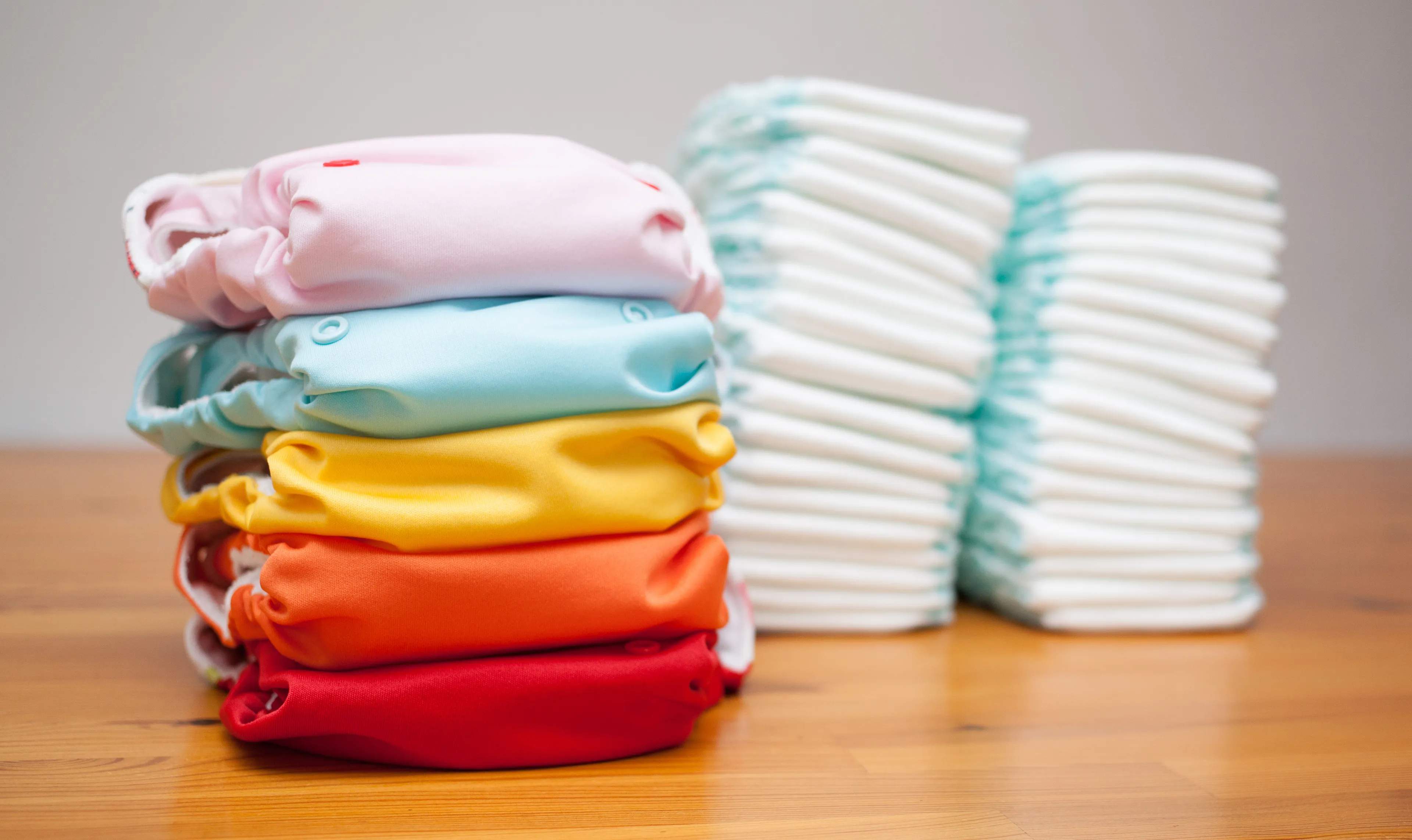
Choosing between a cloth diaper and a disposable one is one of the first practical decisions new parents face, and it genuinely matters for your baby's skin, your budget, and the environment. Both options have real trade-offs, and the best choice often depends on your lifestyle, water access, and how much laundry you can realistically manage. This guide breaks down the differences honestly so you can decide with confidence.

Cloth Diaper vs Disposable Diaper: Key Differences

At a glance, here is how the two types compare across the factors parents care about most.

FactorCloth DiaperDisposable Diaper
Upfront costHigher (one-time purchase)Low per-pack, but adds up
Long-term costLower overallHigher over 2 to 3 years
AbsorbencyGood with inserts; needs more frequent changesHigh; often stays dry for longer
Skin contact materialCotton, bamboo, or fleeceSynthetic polymers and absorbent gel
Environmental impactLess landfill waste; higher water useSignificant landfill contribution
ConvenienceRequires washing and dryingReady to use, dispose after one use
Leak protectionDepends on fit and insert thicknessSnug elastics and absorbent core reduce leaks

The core difference comes down to material and maintenance. A cloth diaper sits closer to natural fibres against baby's skin, while a disposable uses a superabsorbent polymer core to pull moisture away quickly.

Benefits of Cloth Diapers

  • Cost savings over time: A full stash of reusable diapers costs more upfront, but once purchased, the main ongoing expense is water and detergent. Across two to three years of diapering, the savings compared to buying disposables can be significant, and the same stash can be used for a second child.
  • Fewer synthetic chemicals against the skin: Cloth diapers, especially unbleached cotton or bamboo varieties, contain far fewer processing chemicals than most disposables. For babies with very sensitive skin or a family history of eczema, this can make a meaningful difference.
  • Environmental footprint: A single baby in disposables generates a large volume of non-biodegradable waste over two to three years. Reusable diapers reduce that landfill contribution substantially, though they do use water and energy for laundering. The net environmental benefit depends on how you wash them (cold water, full loads, line drying where possible).
  • Toilet training may come earlier: Some parents find that babies in cloth diapers become aware of wetness sooner, which can support earlier toilet awareness. This is not guaranteed, but it is a commonly reported experience.

Are cloth diapers better for baby's skin? Possibly, for sensitive skin, yes. The absence of absorbent gel and fragrance-related additives means less potential for irritation. However, a wet cloth diaper left on too long can cause just as much rash as a disposable, so frequent changes are essential either way.

Challenges of Using Cloth Diapers

Cloth diapering is not effortless. Understanding the real demands helps you plan realistically.

  • Laundry is non-negotiable. Soiled diapers need to be rinsed promptly, stored in a wet bag or dry pail, and washed every one to two days. In a busy household, this can feel relentless.
  • The learning curve is real. Folding flat diapers, fitting pocket diapers correctly, and choosing the right insert thickness takes practice before it becomes second nature.
  • Leakage is more likely until you get the fit right. Overnight absorbency may require boosters or a dedicated overnight insert.
  • Access to a reliable washing machine and clean water is important. For families in areas with water shortages or without a washing machine, cloth diapering is harder to sustain.
  • Travel and daycare settings add complexity. Many crèches and daycare centres in India accept only disposables for practical reasons.

Benefits and Challenges of Disposable Diapers

Disposables dominate the market largely because of convenience. They are fast to put on, highly absorbent, and you never need to think about laundry. For working parents, night shifts, or travel, that ease is genuinely valuable.

The superabsorbent gel core in disposables draws moisture away from the skin quickly, which does reduce the chance of prolonged wetness against the skin. However, some babies react to the fragrances, dyes, or bleaching agents used in standard disposables. If your baby develops a recurring rash with a particular brand, switching to a fragrance-free or hypoallergenic variant is worth trying.

On the other hand, disposable diaper side effects on the environment are hard to ignore. Most end up in landfill and take a very long time to break down. The ongoing cost also accumulates: buying disposables from birth through toilet training adds up to a substantial household expense over time.

Are disposable diapers bad for babies? Not inherently. Used correctly and changed frequently, they are safe for most babies. The concern arises mainly when a baby is left in a soiled disposable for too long, or when a specific product ingredient triggers skin sensitivity.

How to Use Cloth Diapers: Step-by-Step

If you are new to cloth diapering, this routine will get you started.

  • Prep the diaper before first use. Wash new cloth diapers two to three times before putting them on your baby. This improves absorbency and removes any manufacturing residue.
  • Insert the absorbency layer. For pocket diapers, tuck the insert into the pocket opening. For all-in-two styles, snap the insert onto the shell. Flat or prefold diapers need to be folded and placed inside a waterproof cover.
  • Position the diaper. Lay your baby on the open diaper. The back edge should sit at the waistline. Bring the front up between the legs, making sure the diaper is centred.
  • Fasten snugly but not tightly. Use the snaps or Velcro tabs to secure. You should be able to slide one or two fingers under the waistband. Check that the leg elastics are tucked in against the thigh to prevent leaks.
  • Change every two hours, or sooner if soiled. Do not wait for a cloth diaper to feel heavy; the lack of a superabsorbent core means it becomes uncomfortable and leaky faster than a disposable.
  • Handle soiled diapers correctly. Tip any solid waste into the toilet. Store used diapers in a dry pail or wet bag. Avoid soaking, which can damage elastic and fabric over time.
  • Wash on a warm cycle with a cloth-diaper-safe detergent. Avoid fabric softeners, which reduce absorbency. Line drying in sunlight naturally helps remove stains and sanitises.

For guidance on broader newborn hygiene and umbilical cord care basics, especially in the early weeks before the cord stump falls off, check Apollo's dedicated newborn care article.

Preventing Diaper Rash with Cloth or Disposable

Cloth diaper rash and disposable diaper rash share the same root cause: prolonged contact with moisture or stool. Prevention is largely the same regardless of diaper type.

  • Change diapers frequently, ideally every two hours during the day and whenever soiled.
  • Allow some nappy-free time each day to let the skin breathe.
  • Clean the nappy area gently with warm water and a soft cloth at each change. Wipes with alcohol or fragrance can irritate tender skin.
  • Apply a thin barrier cream or ointment (zinc oxide-based products are widely recommended) at the first sign of redness.
  • With cloth diapers, ensure they are fully rinsed of detergent residue before use, as leftover soap can irritate skin.

For mild redness that progresses to broken skin, the guidance on treating minor skin irritation and wounds can help you manage the area safely until it heals.

Contraindications and When to Consult a Doctor?

Most diaper rash resolves with good hygiene and barrier cream within a few days. However, certain signs mean home care is not enough.

Seek medical attention if you notice:

  • Rash that is spreading, blistering, or ulcerating
  • Bright red skin with satellite spots at the edges, which can indicate a fungal (Candida) infection
  • Fever alongside any skin changes in the nappy area
  • Pus, crusting, or a foul smell, which may signal a bacterial infection
  • No improvement after three to four days of consistent home care

Report adverse events to your healthcare provider or the relevant regulatory authority.

Some babies with specific skin conditions such as severe eczema or contact dermatitis may need a dermatologist's input to identify whether the diaper material itself is a trigger. Your paediatrician can guide you on patch testing or specialist referral.

Conclusion

Choosing between cloth and disposable diapers depends on balancing your family's budget, lifestyle, environmental priorities, and your baby's skin sensitivity. While cloth diapers offer long-term financial savings and fewer synthetic additives, disposable diapers provide unmatched convenience and high absorbency. Whichever option you select, maintaining frequent diaper changes every 1 to 2 hours, keeping the skin clean and dry, and applying barrier cream when necessary are essential for preventing diaper rash. If your baby develops persistent redness, blistering, or signs of an infection, consult a paediatrician promptly.

FAQs

Which is better, cloth diaper or disposable diaper?

Neither is universally better. Cloth diapers save money and reduce chemical exposure, while disposables offer convenience and high absorbency. The right choice depends on your lifestyle, water access, and your baby's skin sensitivity.

How many cloth diapers does a newborn need per day?

Newborns need 10 to 12 diaper changes in 24 hours, so having 24 to 30 cloth diapers in your stash lets you wash every one to two days without running out.

Do cloth diapers cause less rash than disposable?

Not automatically. Both types can cause rash if the baby is left in a wet or soiled diaper too long. Cloth diapers avoid certain synthetic additives, which helps some sensitive babies, but frequent changing matters more than diaper type.
How often should you change a cloth diaper?

Change a cloth diaper every one to two hours during the day, and immediately after any bowel movement. Cloth diapers hold less moisture than disposables and need more frequent attention.

Are cloth diapers cost-effective in the long run?

Yes, for most families. The upfront investment is higher, but the ongoing cost is much lower than buying disposables continuously for two to three years, and the same diapers can be reused for a younger sibling.

Apollo 247 Floating Action Button