logo
0

Cloth Diapers: Benefits, Uses, and Rash Prevention

Complete guide to cloth diapers — benefits, effectiveness vs disposables, rash prevention, and step-by-step usage tips for parents.

article image

Dr.J.T.Hema Prathima

Choosing the right diaper for your baby feels like a small decision until you realise how often it affects your baby's comfort, your budget, and even the environment. The cloth diaper has made a strong comeback in recent years, and modern versions bear little resemblance to the safety-pin squares of the past. If you are comparing options or simply want to understand cloth diaper benefits, rash risks, and correct use, this guide covers everything you need to make a confident choice.

What Is a Cloth Diaper?

A cloth diaper is a reusable absorbent covering worn by babies to collect urine and stool. Most are made from natural or blended fabrics such as cotton, bamboo, hemp, or microfibre. Unlike single-use options, they are washed and reused hundreds of times, making reusable diapers for babies a practical long-term investment.

Modern cloth diapers come in several styles:

  • Prefold or flat diapers are simple rectangles of layered fabric that you fold and fasten yourself. They are economical and dry quickly.
  • Pocket diapers have a waterproof outer shell with a pocket stuffed with an absorbent insert. You can adjust the absorbency level as needed.
  • All-in-one (AIO) diapers work most like a disposable: the absorbent layer and waterproof cover are sewn together for fast, hassle-free changes.
  • Fitted diapers are fully absorbent but need a separate waterproof cover over them.

Pocket and AIO designs suit busy or working parents well. Prefolds are a budget-friendly pick for home use.

Cloth Diaper Benefits: Cost, Environment, and Skin Health

Cloth diapers can offer potential benefits such as lower long-term costs, reduced disposable waste, and reusable materials, while proper washing and frequent changes are important for maintaining healthy skin.

Cost Savings Over Time

The upfront cost of reusable diapers is higher than a single pack of disposables, but over two to three years of diapering, most families spend significantly less overall. A starter set can last through infancy and be reused for a second child, stretching the value further.

Environmental Impact

Disposable diapers contribute to landfill waste in large volumes. Cloth diapers, washed and reused, produce considerably less solid waste. Washing uses water and energy, so it is not a zero-impact choice, but most assessments put the long-term environmental footprint lower than single-use alternatives.

Skin-Friendliness

Many parents find that cloth diapers, especially those made from natural fibres like cotton or bamboo, sit more gently against newborn skin. They contain no fragrance, gel beads, or chemical moisture-locking agents. Babies with sensitive skin or eczema sometimes fare better in cloth. Parents also tend to change cloth diapers more frequently, which in itself reduces skin exposure to moisture and waste.

Effectiveness: Cloth vs Disposable Diapers

An honest comparison matters here. Disposable diapers generally offer higher single-use absorbency because of superabsorbent polymer gels that lock moisture away from skin. Cloth diapers absorb well but reach capacity faster, particularly for heavy wetters or overnight use.
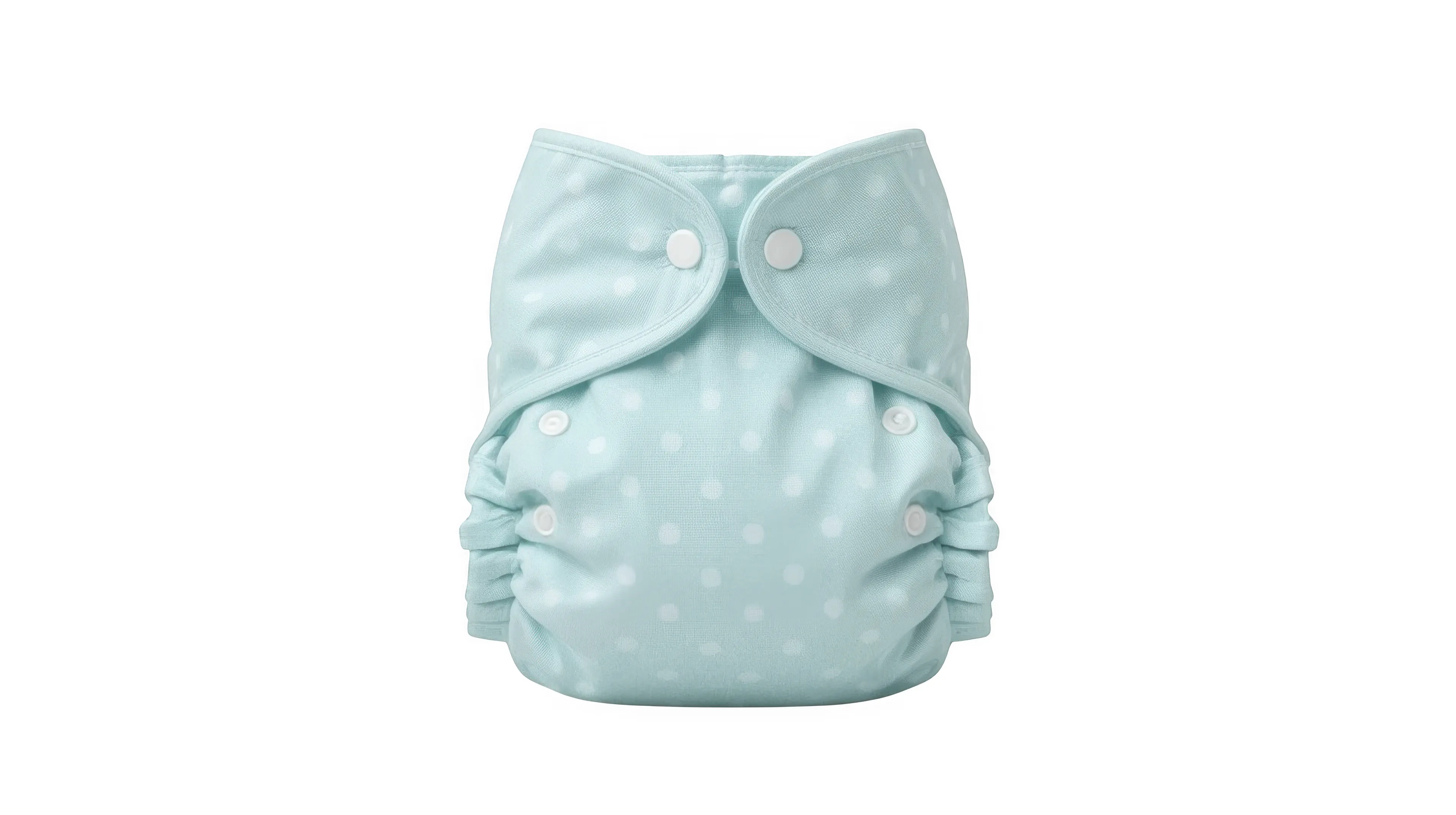
Key points in the cloth vs disposable diapers comparison:

  • Cloth diapers typically need changing every 1.5 to 2 hours during the day, more often than most disposables.
  • Modern pocket diapers with boosted inserts can handle moderate overnight use, but many parents prefer a disposable overnight while using cloth during the day.
  • Leak protection depends heavily on fit. A well-fitted cloth diaper with snug leg gussets performs comparably to a similarly sized disposable. Poor fit is the leading cause of leaks in either type.
  • Cloth generally works best from around 3 to 4 kg onwards, once newborns have lost their umbilical stump. For newborn hygiene and belly button care basics, review that guide before starting cloth on very young babies.

Cloth Diaper Rash: Causes and Prevention

Cloth diapers can cause rash, but so can disposables. Rash is not an inherent feature of cloth; it is usually a sign that something in the routine needs adjusting. Effective diaper rash prevention depends on understanding the causes first.

Common Causes of Cloth Diaper Rash

  • Moisture sitting against skin too long due to infrequent changes
  • Detergent residue left behind from incomplete rinsing
  • Fabric softener or dryer sheets, which coat fibres, reduce absorbency, and leave chemical residue on skin
  • Yeast or bacterial overgrowth if diapers are not washed at an appropriate temperature
  • Friction from a poor fit around the thighs or waist

Diaper Rash Prevention Steps

  1. Change wet or soiled cloth diapers promptly, ideally every 1.5 to 2 hours.
  2. Allow a brief air-dry period during changes when possible.
  3. Use a cloth-diaper-safe barrier cream. Most standard zinc oxide creams require a liner to protect the fabric.
  4. Ensure your wash routine removes all detergent buildup completely, and skip fabric softener entirely.
  5. Check fit regularly as your baby grows. Leg gussets should lie flat against the skin, not dig in.

For mild redness, gentle cleaning with warm water and a soft cloth, followed by air time, usually resolves irritation within a day. Guidance on treating minor skin irritation and wounds can help with superficial skin breaks. If a rash is spreading, blistering, or lasting more than three days despite good hygiene, consult your paediatrician before trying any new cream or home remedy.

How to Use Cloth Diapers Correctly?

Using cloth diapers correctly involves choosing the right fit, preparing the diaper properly, changing it regularly, and following suitable washing and drying practices to keep the baby comfortable and the diaper hygienic.

Fitting the Diaper

Lay your baby on the open diaper, bring the front panel up between the legs, and fasten snugly at the sides. The diaper should sit close to the waist, with two fingers fitting comfortably inside the waistband. Tuck all fabric inside the leg gussets so nothing pokes out at the edges; exposed inner fabric is the main source of leaks.

Changing Frequency

Change cloth diapers every 1.5 to 2 hours for newborns, and after every bowel movement regardless of how recently you changed. Babies 6 months and older may go slightly longer between changes, but checking regularly is always safer. Brands like Superbottoms offer reusable cloth diapers designed for Indian babies with adjustable snap sizing, which can help maintain a good fit as your baby grows.

Storing Soiled Diapers Between Washes

Remove solid waste from the diaper before storing. A dry pail (a lidded bucket without water) is safer and more hygienic than a wet soak. Wash within 24 to 48 hours to prevent odour and bacterial buildup.

Washing and Maintaining Cloth Diapers

A consistent wash routine is the single biggest factor in rash prevention and diaper longevity.

  • Pre-rinse: Cold rinse immediately after removing the diaper, or at the start of your wash cycle, to flush out waste and urine.
  • Main wash: Hot wash (40 to 60 degrees Celsius, or as the fabric label allows) with a gentle, fragrance-free detergent. Use the manufacturer's recommended dose; more detergent does not mean cleaner diapers and leaves residue.
  • Extra rinse: Run an additional rinse cycle to clear all detergent from the fabric.
  • Drying: Sun-drying is ideal. UV exposure naturally disinfects and helps fade stains. If using a dryer, check the fabric label; covers with waterproof lining should be dried on low heat or air-dried.

Avoid bleach for routine washing. Strip-washing (a deep cleaning process to remove mineral or detergent buildup) can be done every few months if you notice reduced absorbency or persistent odour.

When to Consult a Doctor?

Most diaper rash resolves with improved hygiene and more frequent changes. However, certain signs need medical attention rather than home management:

  • The rash has not improved after three days of careful cleaning and air time.
  • Skin is broken, oozing, or developing small pus-filled spots.
  • Bright red patches appear with a sharply defined border (which may suggest a yeast infection requiring antifungal treatment).
  • Your baby develops a fever alongside the rash.
  • The rash spreads beyond the diaper area.

Do not apply prescription creams or antifungal agents without a doctor's advice. A paediatrician can identify whether the rash is irritant, yeast-related, or bacterial and recommend appropriate treatment.

Report adverse events to your healthcare provider or the relevant regulatory authority.

Conclusion

Cloth diapers can be a practical option for families who prefer reusable products and may offer benefits such as reduced disposable waste and the ability to reuse the same diaper system over time. Their effectiveness depends on appropriate fit, absorbency, frequent changes, and proper washing and drying practices. Like disposable diapers, cloth diapers can contribute to skin irritation if moisture, urine, or stool remains against the baby's skin for prolonged periods. Regular diaper changes, gentle cleaning, thorough drying, and appropriate use of barrier creams when needed can help support healthy skin. Cloth diapers also require careful laundering to reduce odour and bacterial buildup, and washing routines may vary according to the diaper material and manufacturer's instructions. Parents can choose cloth, disposable, or a combination of both based on their baby's skin needs, lifestyle, convenience, environmental considerations, and budget. Persistent or severe diaper rash should be evaluated by a paediatrician or healthcare professional.

FAQs

Are cloth diapers good for newborns?

Cloth diapers can work well for newborns once the umbilical cord stump has fallen off, usually around two weeks of age. Choose a newborn-sized fit and change frequently, as newborns urinate often.

How many cloth diapers do I need per day?

Most newborns need 10 to 12 changes in 24 hours, so having 20 to 24 cloth diapers ensures you can wash every one to two days without running short. Older babies need fewer changes, around 6 to 8 per day.

Do cloth diapers cause more rashes than disposables?

Not inherently. Rash rates depend more on how frequently you change and how well you wash than on the diaper material itself. Infrequent changes or detergent residue are the usual culprits with cloth.

Is Superbottoms a good cloth diaper brand?

Superbottoms is a widely used Indian cloth diaper brand known for its adjustable sizing and use of cotton and bamboo fabrics suited to Indian climate conditions. As with any brand, fit and wash routine matter more than the label alone.

How long can a baby wear a cloth diaper?

Change a cloth diaper after no more than 2 hours for young babies, or immediately after any bowel movement. Extended wear leads to moisture buildup, which increases rash risk.

Apollo 247 Floating Action Button