logo
0

Cloth Diapers for Newborns: Types, Care, and How to Choose

Learn about cloth diapers for newborns, including different types, fit, washing and care, skin protection, and how to choose one for your baby.

article image

Dr.Yusuf

Choosing a diaper for your newborn is a decision you will make several times a day. Cloth diapers can be a useful option if you prefer reusable products and are comfortable with the washing involved. They come in different designs, so the right choice depends on your baby's size, skin, your washing routine and your family's daily needs.

This guide explains how cloth diapers work, the different types available, how to wash and care for them, and what to consider when using them with a newborn.

What Is a Cloth Diaper and How Does It Work?

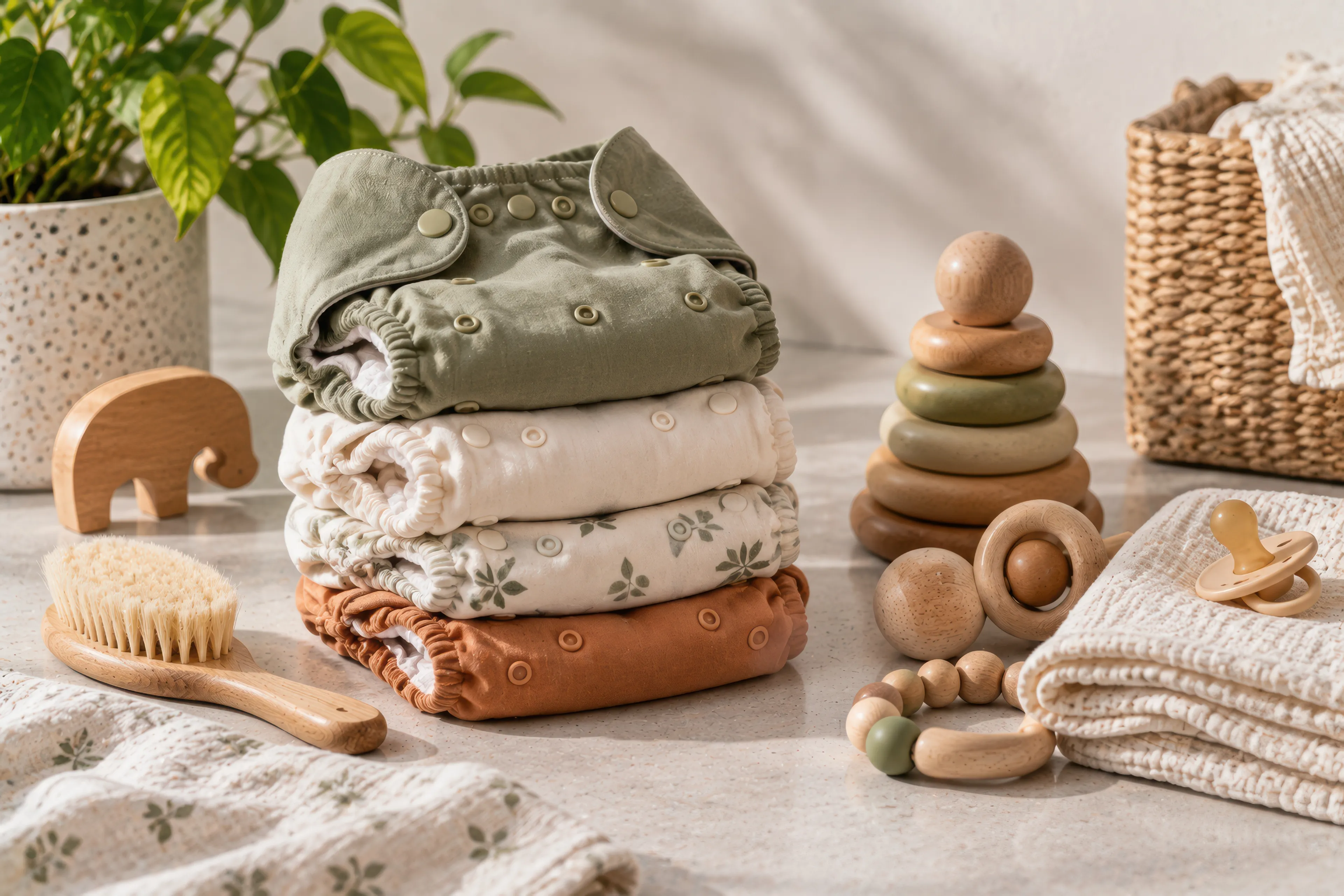
A cloth diaper is a washable, reusable diaper made from absorbent fabric. Depending on the design, it may have several layers to absorb urine and a waterproof outer layer to help prevent leaks.

The main types include:

  • Prefolds: These are rectangular pieces of absorbent fabric that are folded around the baby and usually used with a separate waterproof cover. They are simple in design but require more preparation.
  • Pocket diapers: These have a waterproof outer layer and an inner layer with a pocket for an absorbent insert. You can change the insert to increase or reduce absorbency.
  • All-in-one diapers: The absorbent layers are attached to the waterproof outer layer, so there are fewer separate pieces to handle.
  • Hybrid diapers: These have a reusable outer cover that can be used with a reusable insert or, depending on the product, a disposable insert.

Materials and construction vary between products. Some cloth diapers use cotton, bamboo-derived fabrics, polyester or other materials. Some also have a stay-dry inner layer designed to reduce the feeling of wetness against the skin.

Are Cloth Diapers Suitable for Newborns?

Yes. Cloth diapers can be used from the newborn period when they fit your baby well and are designed for their size.

Newborns vary considerably in size. Some one-size cloth diapers may be too bulky for a very small baby, while newborn-sized designs may provide a better fit. If your baby was born prematurely or has a low birth weight, ask your doctor about choosing a suitable size and design.

Your baby's first stools are meconium, which is thick, sticky and dark greenish-black. It can be harder to remove from fabric than later stools. Some parents prefer disposable diapers during the first few days and introduce cloth diapers later. This is a personal choice.

The umbilical cord stump should be kept clean and dry while it heals. A diaper that sits below the stump can help prevent rubbing and contact with urine or stool. Some newborn cloth diapers have a lower front panel or adjustable design for this purpose. For more information, read newborn umbilical cord care while diapering.

Newborns may need frequent diaper changes because they feed and pass urine and stool often. Check the diaper regularly and change it when it is wet or soiled.

Types of Cloth Diapers for Newborns

The different cloth diaper designs have their own advantages and practical considerations.

Prefold Diapers

Prefolds are absorbent fabric layers that are folded and secured around the baby or placed inside a waterproof cover. They are versatile and can be adjusted as your baby grows.

Because the absorbent layer and waterproof cover are separate, you may be able to reuse a clean cover for more than one change, depending on its condition and the care instructions for the product.

Pocket Diapers

Pocket diapers have a waterproof outer layer with an opening that holds one or more absorbent inserts. You can change the insert to increase or reduce absorbency.

The separate pieces can make washing and drying easier, although you need to assemble the diaper before use.

All-in-One Diapers

All-in-one diapers have the absorbent layers attached to the waterproof outer layer. They are convenient because there are fewer separate pieces to handle.

They may take longer to dry than some other designs because the absorbent layers remain attached to the diaper.

Hybrid Diapers

Hybrid systems use a reusable waterproof cover with an insert. Depending on the product, you may be able to use a reusable cloth insert or a disposable insert.

They can offer flexibility if you prefer cloth diapers at home but want a simpler option while travelling.

SuperBottoms and Other Cloth Diaper Brands in India

Several brands in India sell reusable cloth diapers in different designs and sizes. SuperBottoms, LuvLap, Bumpadum and Charlie Banana are examples available in the market.

Some SuperBottoms products, for example, use adjustable fasteners and a waterproof outer layer. For a specific product, check the packaging for its recommended weight range, materials and care instructions.

Rather than choosing a diaper only because it is popular, consider the features that matter to you and your baby. These include fit, absorbency, ease of washing, drying time, available sizes and the materials that come into contact with your baby's skin.

If you are new to cloth diapering, trying one or two designs before buying a larger collection can help you find what works for your baby.

How to Wash and Care for Cloth Diapers

Good washing and thorough drying help keep reusable diapers clean, absorbent and comfortable for your baby.

A typical washing routine may include:

  • Remove stool: If your baby has started passing formed stools, remove the stool into the toilet before washing the diaper. Stools from exclusively breastfed newborns are usually loose and may not need to be removed before washing.
  • Store used diapers safely: Keep used diapers in a dry, ventilated or loosely covered container until wash day. Do not leave them soaking in water.
  • Rinse or prewash: A rinse or prewash can help remove urine and stool before the main wash.
  • Wash thoroughly: Use the detergent and water temperature recommended for the diaper. Avoid fabric softeners because they can affect the absorbency of some fabrics.
  • Rinse well: Make sure detergent is thoroughly rinsed from the diapers. Residue may irritate sensitive skin and can affect absorbency.
  • Dry completely: Dry diapers according to the care instructions for the product. Sun drying can be useful, but excessive heat may damage some waterproof materials.

How often you wash your diapers depends on the size of your collection and your routine. Many families wash reusable diapers every one to three days. Avoid leaving used diapers stored for too long because prolonged storage can lead to unpleasant odours and make cleaning more difficult.

Cloth Diapers and Your Baby's Skin

Diaper rash can occur with both cloth and disposable diapers. Moisture, stool, friction, sensitive skin and contact with irritating products can all contribute to skin irritation.

Changing your baby's diaper when it is wet or soiled helps reduce prolonged contact between the skin and moisture or stool. A comfortable fit also helps reduce rubbing.

If your baby has sensitive skin, pay attention to everything that comes into contact with the diaper area, including laundry detergent, wipes, creams and the diaper material itself.

A few simple measures can help:

  • Change soiled diapers promptly.
  • Check wet diapers regularly and change them when needed.
  • Wash cloth diapers thoroughly and rinse them well.
  • Make sure diapers are completely dry before reuse.
  • Stop using products that appear to irritate your baby's skin.
  • Use a suitable barrier cream if recommended for your baby's skin.

Some creams and ointments can affect the absorbency of certain cloth fabrics. If you use a barrier product, check whether it is compatible with your type of cloth diaper.

You do not need to give your baby scheduled diaper-free time for healthy skin. If your baby enjoys being without a diaper for a short period, you can allow it, but regular changes and gentle skin care are more important.

If your baby's rash persists, becomes worse, spreads, develops blisters or open sores, or is accompanied by fever or significant discomfort, consult your doctor.

When Should You Avoid or Pause Cloth Diapers?

Cloth diapers can be used by most healthy newborns, but another option may be more practical while a skin problem is being treated.

If your baby has broken, severely irritated or infected skin, follow your doctor's advice about cleaning, treatment and diapering. Some medicines and thick creams may also affect cloth materials or their absorbency.

Babies receiving treatment such as phototherapy in hospital should be diapered according to the instructions of the healthcare team.

If your baby has a persistent or recurrent diaper rash, changing from disposable to cloth or from cloth to disposable may not address the underlying cause. Your doctor can examine the rash and recommend the right care.

Cloth Diaper vs Disposable Diaper: Quick Comparison

If you are deciding between reusable and disposable diapers, the table below highlights some of the everyday differences that may matter to your family.

FactorCloth diaperDisposable diaper
ReuseWashed and reusedIntended for single use
Initial purchaseRequires an initial collection of diapersUsually bought as needed in packs
Ongoing costsWashing, detergent and dryingRepeated purchases
WasteProduces less disposable diaper wasteProduces more household waste
WashingRequires regular washing and dryingNo laundering needed
FitAvailable in different designs and adjustable sizesAvailable in different sizes and designs
Newborn optionsNewborn and adjustable designs are availableNewborn and small sizes are available
ConvenienceRequires preparation and laundryReady to use and discard

Neither option is right for every family. You can also combine the two, using cloth diapers when they are convenient and disposable diapers when travelling, attending daycare or during other situations where washing is difficult.

Safety Tips for Using Cloth Diapers

A few simple habits can make cloth diapering easier and more comfortable for your baby:

  • Check the fit as your baby grows.
  • Change wet and soiled diapers regularly.
  • Wash reusable diapers according to their care instructions.
  • Make sure diapers are completely dry before using them again.
  • Do not leave your baby unattended on a changing table or other elevated surface.
  • Keep clean diapers and changing supplies within reach before starting a change.
  • Avoid talcum powder around the diaper area.
  • Do not use medicated creams, antiseptics or other treatments for a rash unless recommended by your doctor.

Conclusion

Cloth diapers can be a useful option for newborns when they fit well, are changed regularly and are washed and dried properly. Different designs offer varying levels of convenience, absorbency and flexibility, so your choice can be based on your baby's size and skin as well as your family's routine.

You do not have to commit to one type of diaper. Many families use a combination of cloth and disposable diapers as their baby's needs and their daily routine change.

FAQs

How many cloth diapers does a newborn need?

The number depends on how frequently your baby needs a change and how often you plan to wash the diapers. Newborns can need frequent changes, so having enough diapers to cover the period between washes, along with a few extras, can make cloth diapering easier.

Are cloth diapers safe for newborn skin?

Yes. Cloth diapers can be used safely with newborns when they fit comfortably, are changed regularly and are washed and rinsed thoroughly. If your baby develops persistent irritation, discuss it with your doctor.

How long do SuperBottoms cloth diapers last?

The lifespan of a reusable diaper depends on the specific product, how often it is washed and how it is cared for. For SuperBottoms or any other brand, check the product packaging for care instructions and information about its expected use.
Can cloth diapers cause diaper rash?

Both cloth and disposable diapers can be associated with diaper-area irritation. Rash can be influenced by moisture, stool, friction, sensitive skin and products used around the diaper area. Regular changes, a comfortable fit and gentle skin care can help reduce irritation.

What detergent should I use for washing cloth diapers?

Use a detergent that is suitable for the diaper materials and follow the care instructions for the product. Avoid fabric softeners because they can reduce the absorbency of some fabrics. If your baby develops skin irritation, consider whether the detergent or another product used around the diaper area could be contributing to it.

Apollo 247 Floating Action Button