logo
0

Cloth Diaper vs Disposable Diaper

Compare cloth and disposable diapers for cost, convenience, environmental impact, skin care, diaper rash, and practical tips to choose what suits your baby.

article image

Dr.Kamran

Choosing between a cloth diaper and a disposable one is one of the first real decisions new parents face, and it carries more trade-offs than most expect. Cost, convenience, skin sensitivity, and environmental footprint all pull in different directions. This guide breaks down each factor honestly so you can decide what works for your baby and your household.

Cloth Diapers vs Disposable Diapers: Quick Overview

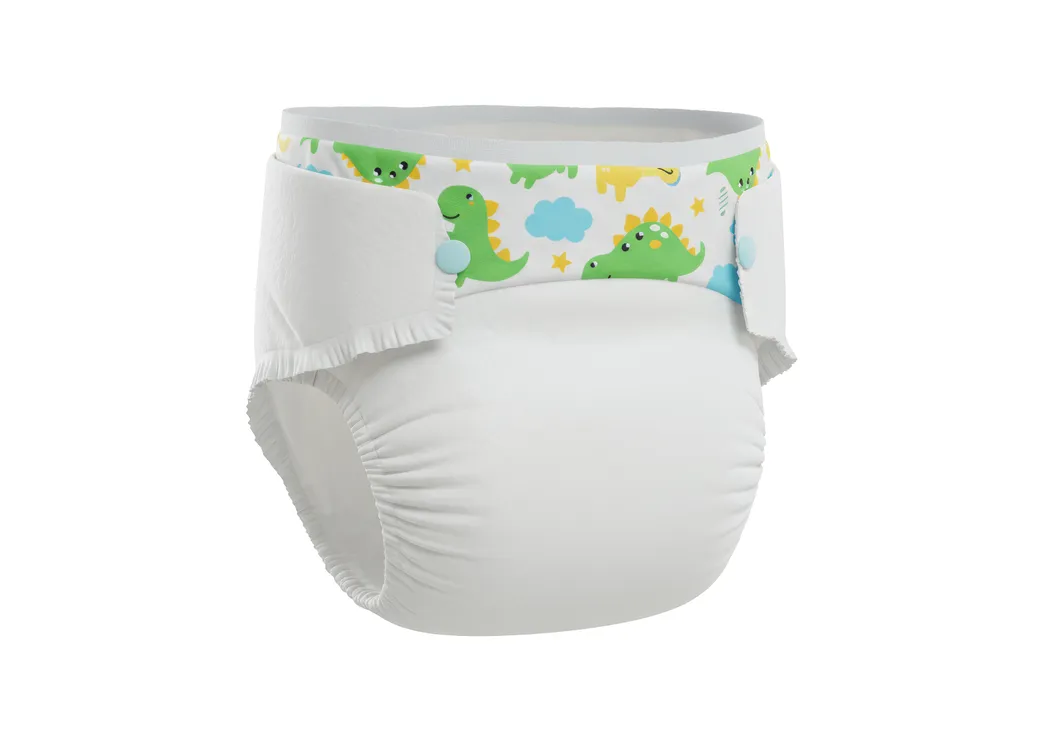
Cloth diapers are reusable fabric inserts or covers, usually made of cotton, bamboo, or microfibre, that you wash and use again. Modern versions come with snap or velcro closures and removable inserts, making them far more practical than the folded squares of an earlier generation.

Disposable diapers are single-use, with an absorbent gel core that locks moisture away from the skin. They are widely available at pharmacies, supermarkets, and online stores across India and require no washing.

Both types can work well. The right choice depends on your lifestyle, budget, and your baby's skin.

Cost Comparison: Upfront vs Long-Term Spend

This is where cloth diapers make a strong case.

Disposable diaper prices vary considerably by brand, size, pack size, and retailer. For example, current Apollo Pharmacy listings show newborn disposable diapers at different per-diaper prices, so it is better to compare the pack price and cost per diaper when estimating your family's expenses. Newborns may need frequent diaper changes. The American Academy of Pediatrics notes that babies may go through about 8 to 12 diaper changes a day, although the actual number varies depending on feeding, bowel movements, and the individual baby. For example, at an assumed cost of ₹10 per diaper, using 8 to 12 diapers a day would cost approximately ₹2,400 to ₹3,600 per 30 days. Actual spending varies with diaper size, brand, discounts, and how frequently your baby needs changing. Over two to three years, costs can vary substantially, so families should calculate their expected expenditure using the current per-diaper price and their baby's changing pattern rather than relying on a single long-term estimate.

Reusable diapers have a higher upfront cost. The initial cost of a cloth-diaper stash varies substantially by brand, design, number of inserts, and whether you choose newborn or adjustable-size products. For example, current SuperBottoms listings show individual reusable diapers at different price points, so families should compare the cost of the complete diaper-and-insert system rather than assuming a fixed starter-set price. Washing costs depend on local water and electricity rates, washing-machine use, detergent, drying conditions, and how frequently the diapers are washed. These expenses can therefore vary considerably between households and regions. Whether cloth diapers cost less overall depends on the number purchased, purchase price, washing expenses, frequency of use, and how long the diapers remain usable. A household-specific calculation is more reliable than assuming a fixed payback period. If a second child uses the same set, the savings grow further.

Cost factorCloth diapersDisposable diapers
Upfront costHigher; varies by brand and number purchasedLower per purchase
Ongoing costWashing, detergent, water and electricityOngoing cost of replacement diapers
Long-term costDepends on purchase and washing costsDepends on brand, size and number of diapers used
ReusableYesNo

Reusable diapers cost significantly less over time, but they require the upfront investment and the discipline to wash them consistently.

Environmental Impact of Cloth vs Disposable Diapers

Disposable diapers are among the largest contributors to household solid waste in urban India. Disposable diapers contain multiple materials, including plastics and absorbent polymers, and are generally disposed of after a single use. Their environmental impact depends on factors such as material production, manufacturing, transportation, disposal method, and landfill conditions. There is no single reliable number of years that applies to every disposable diaper's breakdown in all landfill environments. Their mixed-material construction makes recycling largely impractical.

Eco friendly diapers made from biodegradable materials do exist, but they cost more and are not always easy to find in smaller Indian cities.

Cloth diapers are not zero-impact. Washing uses water and energy, and fabric production carries its own footprint. Cloth diapers can reduce the amount of diaper waste sent to disposal because they are washed and reused multiple times. However, their environmental footprint also includes the production of the fabric, repeated washing, detergent use, water consumption, and drying. The overall environmental impact therefore depends on how the diapers are manufactured, washed, dried, and reused. In most Indian climates, line-drying is the default, which reduces energy use considerably and makes the environmental case for cloth stronger.

Diaper Rash: Which Type Causes More Irritation?

In the cloth diaper vs disposable debate, rash is often the deciding factor.

Diaper rash develops when skin stays wet for too long, experiences friction, or reacts to chemicals or detergents. Neither type is rash-proof. What matters most is how frequently you change the diaper and how clean the area stays.

Modern disposable diapers can help reduce the amount of moisture that remains against the skin, but diaper rash can occur with either cloth or disposable diapers. Frequent changes, gentle cleansing, and limiting prolonged contact with urine and stool are important for preventing irritation. However, fragrances and chemicals in some disposable brands irritate sensitive skin.

Cloth diaper rash tends to occur when soiled diapers are left on too long, or when detergent residue accumulates in the fabric over repeated washes. Cloth diapers can cause irritation if detergent or other residues remain on the fabric. Follow the diaper manufacturer's washing instructions and use an appropriate amount of detergent. If persistent odour, residue, or absorbency problems develop, follow the manufacturer's recommended cleaning or stripping procedure rather than using a fixed monthly schedule.

For babies with eczema or known skin sensitivities, hypoallergenic disposables or well-washed, fragrance-free cloth options are both worth trying. You may need to experiment to find what suits your baby.Fabric choice can affect how a diaper feels against the skin, but no particular cloth material is universally suitable for every baby. If your baby develops irritation, consider the fabric, detergent, fit, moisture exposure, and frequency of changes.

When treating minor redness or irritation, applying a zinc oxide barrier cream at each change helps protect the skin. For additional resources on treating minor skin wounds and irritation, including what to apply on sensitive or broken skin, speak to your pharmacist or pediatrician.

When to See a Doctor for Diaper Rash

Mild diaper rash often improves with frequent diaper changes, gentle cleansing, keeping the skin dry, and appropriate barrier protection. If the rash is worsening or does not improve after a few days of home care, contact your pediatrician. Some rashes need medical attention promptly.

See a pediatrician if you notice:

  • Blisters, open sores, or bleeding in the diaper area
  • A bright-red rash involving the skin folds, sometimes with small red spots around the edges, which can occur with Candida diaper dermatitis and may require medical assessment.
  • Rash spreading to the abdomen, thighs, or back
  • Fever alongside the rash
  • A rash that is not improving after a few days of appropriate home care or that is getting worse
  • Pus or crusting

Do not attempt to self-treat a suspected fungal or bacterial infection with over-the-counter products without a doctor's advice. Diaper rash treatment depends on the underlying cause, and the wrong product can worsen things or delay diagnosis.

For newborns, hygiene around the navel matters as much as the diaper area. Refer to this newborn belly button care guide for additional hygiene tips during the early weeks.

Contraindications and Precautions

Barrier creams and diaper rash products are generally safe, but some situations call for caution.

  • Do not apply thick occlusive creams to actively bleeding or deeply broken skin without medical advice.
    Avoid products containing boric acid, camphor, or salicylates in the diaper area for infants, as absorption through thin skin can cause harm.
  • If your baby has a known allergy to lanolin or specific preservatives, check ingredient lists carefully before using any cream or wipe.
  • Scented wipes and talcum powder can worsen irritation in sensitive babies and are best avoided in the diaper area altogether.
  • If a rash worsens after starting any new product, stop using it and consult your pediatrician before trying another.

Report adverse events to your healthcare provider or the relevant regulatory authority.

Conclusion

Both cloth and disposable diapers can be suitable choices for babies, and there is no single option that works best for every family. Cloth diapers are reusable and can reduce the amount of diaper waste, but they require regular washing, drying, and maintenance. Disposable diapers offer convenience and can help keep moisture away from the skin, but they create ongoing waste and recurring costs. Whichever option you choose, regular diaper changes, gentle cleaning, a good fit, and appropriate skin protection are important for helping prevent diaper rash. Families can also combine both options depending on their baby's needs, daily routine, and circumstances.

FAQS

Are cloth diapers better than disposable for sensitive skin?

Neither type is automatically better. Cloth diapers avoid the chemicals and fragrances found in some disposables, but can cause irritation if detergent residue builds up. Wash cloth diapers thoroughly with a fragrance-free detergent and an extra rinse, and change them frequently.

How many cloth diapers does a newborn need per day?

Newborns may need around 8 to 12 diaper changes a day, although the actual number varies. For cloth diapers, the number you need depends on how often you wash, how quickly they dry, and how many you want available between washes. A larger stash provides more flexibility, but there is no single number that works for every household.

Do disposable diapers cause more diaper rash?

Not inherently. Disposable diapers keep the skin surface drier, which can actually reduce rash. However, fragrances and gel materials in some brands irritate sensitive skin. Frequent changes and barrier cream are the most reliable prevention regardless of diaper type.

Can I use cloth diapers overnight?

Yes, with the right insert. A bamboo or hemp booster insert adds absorbency for longer stretches. Change your baby if they wake or if the diaper is heavily soiled, as prolonged moisture increases rash risk.

What is the average monthly cost of disposable diapers in India?

There is no single monthly cost for disposable diapers in India because prices vary by brand, size, pack size, retailer, discounts, and how frequently your baby needs changing. For example, current Apollo Pharmacy listings show different per-diaper prices across newborn products, so multiplying the current cost per diaper by your baby's approximate number of daily changes can give a more useful estimate.

Apollo 247 Floating Action Button