logo
0

Cloth Diaper vs Disposable Diaper

Compare cloth diapers and disposables on cost, washing, skin safety and convenience. Includes Superbottoms review and a pediatrician-reviewed care checklist.

article image

Dr.Rohini priyanaka

Choosing a cloth diaper or a disposable one is one of those early parenting decisions that feels deceptively simple but quickly becomes overwhelming. For most Indian families, the choice touches on budget, baby's skin, convenience, and environmental values all at once. This guide lays out the real differences so you can pick what works for your baby and your household.

Cloth Diapers vs Disposable Diapers: Key Differences

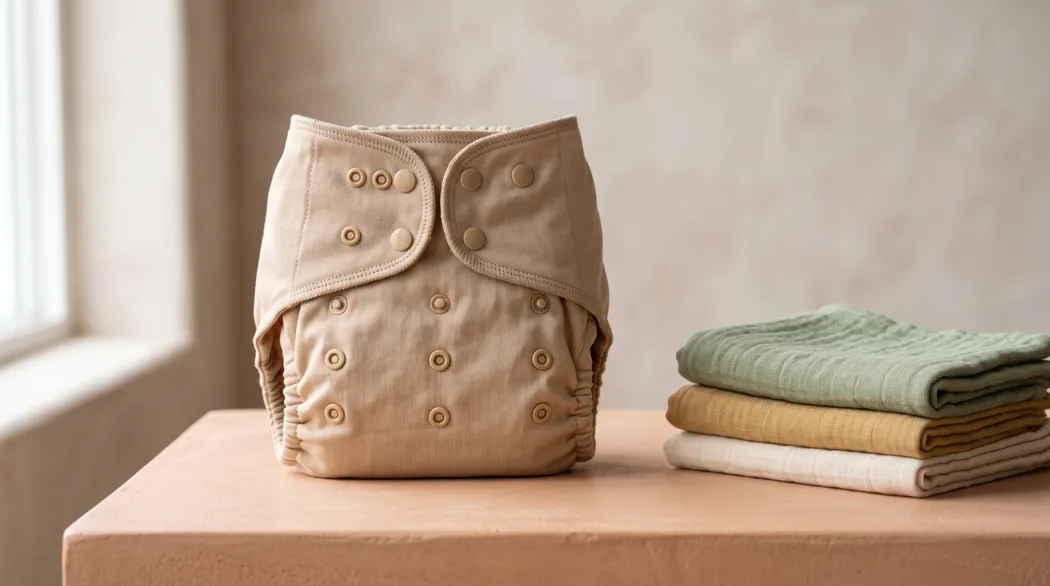
At the core, the difference is material and reusability. Cloth diapers are made from fabric layers (cotton, bamboo, or microfibre) that you wash and reuse. Disposables are single-use products lined with superabsorbent polymers and synthetic materials.

FactorCloth DiaperDisposable Diaper
Upfront costHigher (Rs. 200 to 800 per piece)Low per pack
Long-term costLower over 2 to 3 yearsAdds up significantly
AbsorbencyModerate; needs more frequent changesHigh; holds more between changes
Skin contactNatural fabric; breathableSynthetic liner with gels/additives
Environmental impactLower waste, higher water useHigh landfill waste
ConvenienceRequires washing and prepReady to use, easy disposal

Neither type is universally superior. Parents who prioritize skin contact and long-term savings often lean toward reusable diapers for babies, while those managing a busy schedule or frequent travel often prefer disposables.

How Long Can You Use a Cloth Diaper Before Changing?

Cloth diapers need more frequent changes than disposables because they lack the superabsorbent polymer core that wicks moisture away from skin.

General guidance by age:

  • Newborns (0 to 2 months) wet very frequently. Change every 1.5 to 2 hours, or immediately after any bowel movement.
  • Infants (2 to 6 months) can usually go about 2 hours between changes during the day.
  • Older babies (6 months and above) may manage 2 to 3 hours depending on output.

Disposables can typically last 3 to 4 hours before a change is needed, though a bowel movement always requires an immediate change regardless of diaper type.

A wet cloth diaper left on too long keeps moisture pressed against skin, which is one of the leading causes of diaper rash. Pediatric hygiene guidance consistently emphasizes avoiding prolonged skin contact with urine or stool. When in doubt, check and change. Babies cannot tell you they are uncomfortable.

Washing and Maintaining Cloth Diapers

Proper washing is the single biggest factor in cloth diaper hygiene and longevity. A poorly washed diaper carries bacteria, residual smell, and real risk of skin irritation.

How to wash cloth diapers properly:

  • Remove solids first. For newborns on exclusive breast milk, the stool is water-soluble and can go straight into the wash. For older babies on solids, shake or scrape waste into the toilet before washing.
  • Do a cold pre-rinse immediately, or soak in plain water until you are ready to wash. Never let soiled diapers sit dry for hours.
  • Wash in warm water (40 to 60 degrees Celsius). A hot wash kills bacteria effectively, but check the manufacturer's label since some materials degrade at very high temperatures.
  • Use a mild, fragrance-free detergent. Harsh detergents, fabric softeners, and bleach strip absorbent layers and irritate delicate skin.
  • Run a second rinse cycle to clear all detergent residue. Residue is a surprisingly common cause of rashes that parents often overlook.
  • Dry in sunlight when possible. UV exposure naturally sanitizes fabric and fades stains. If using a dryer, keep heat low.

If diapers smell persistently after washing, the usual cause is detergent buildup or insufficient rinsing. A strip-wash (a deep wash with very little detergent followed by multiple rinses) typically resolves it.

Skipping steps is not just inconvenient. Ammonia from inadequately rinsed urine can chemically irritate or even burn sensitive newborn skin.

Superbottoms and Other Cloth Diaper Brands: What to Know

The Indian market has several reusable diaper brands designed for local washing conditions and baby sizes. Superbottoms cloth diaper products are among the more recognized domestic options, with snap-fit pocket diapers and size-adjustable covers that fit newborns through toddlers. Other Indian brands include Bumwear and Huggalugs, while imported options from brands like Charlie Banana are also available.

When evaluating any brand, look at:

  • Fabric certification such as OEKO-TEX, which confirms the material is free of harmful substances
  • Insert type (cotton vs. bamboo vs. microfibre); bamboo tends to be softer and more absorbent
  • Whether sizing is adjustable, affecting how long a single diaper fits your baby
  • Trial or return policies, since fit varies significantly between babies

No single brand works for every baby. Many parents try two or three styles before settling. Starting with three to five pieces before buying in bulk is the sensible approach.

Skin Safety, Diaper Rash and Best Diapers for Newborn Skin

Diaper rash prevention comes down to one thing more than anything else: keeping skin dry and clean. Both cloth and disposable diapers can cause rash if changed too infrequently, or if the baby has a reaction to a material or additive.

Common rash causes:

  • Prolonged wetness against skin
  • Friction from an ill-fitting diaper
  • Detergent residue in cloth diapers
  • Fragrances or dyes in certain disposables
  • Fungal (yeast) infection, especially after antibiotic use

When it comes to finding the best diapers for newborn skin, there is no single right answer. Cloth diapers may reduce exposure to synthetic chemicals and gels, but they demand more diligent changing. Disposables keep skin drier for longer, but some newborns react to fragrances or polymer materials. For babies with especially sensitive skin, a fragrance-free disposable or a certified organic cotton cloth diaper is often the safer starting point.

For general newborn hygiene and umbilical cord care basics, keeping the nappy area clean and dry during cord healing is especially important regardless of which diaper type you choose.

See a doctor if you notice any of the following:

  • Rash that does not improve within 2 to 3 days of more frequent changes and gentle barrier cream
  • Blistering, bleeding, or open skin
  • Rash spreading beyond the nappy area
  • Fever alongside a skin rash

For guidance on treating minor skin irritation or broken skin, consult a healthcare professional before applying any home remedy to a baby's sensitive skin. Report adverse events to your healthcare provider or the relevant regulatory authority.

Who Should Avoid Certain Diaper Materials?

Cloth diapers are safe for most babies, but there are situations where a specific material, or even cloth diapers generally, may not be appropriate without medical guidance.

Consider medical advice before using cloth diapers if:

  • Your baby has active broken skin, open wounds, or a severe diaper rash. Fabric can harbour bacteria and delay healing. A breathable, medicated disposable may be recommended temporarily.
  • Your baby has a known sensitivity or allergy to latex, dyes, or specific fabrics such as synthetic microfibre. Always check diaper inserts and covers for material composition.
  • Your baby has a fungal or bacterial skin infection. Cloth diapers require extra-careful laundering during infection; your doctor may recommend disposables during treatment.
  • Your newborn is premature or has very low birth weight. Fit, skin fragility, and neonatal care protocols should guide the choice, and hospital staff will advise accordingly.

For any of the above situations, ask your paediatrician before changing diaper type. Do not apply over-the-counter antifungal or antibiotic creams to a baby's skin without professional advice.

Conclusion

Choosing between cloth and disposable diapers depends on your baby's skin, your daily routine, washing facilities, budget, and personal preferences. Cloth diapers can reduce single-use waste and may be economical over time, but they require regular washing, thorough drying, and more frequent changes. Disposable diapers offer convenience and high absorbency, which can be useful for travel, overnight use, or busy routines. Regardless of the type, timely changes, proper fit, gentle cleaning, and keeping the nappy area dry are important for preventing irritation and diaper rash.

If your baby develops a persistent or worsening rash, broken or bleeding skin, blisters, spreading redness, or fever, seek advice from a paediatrician rather than simply changing the diaper type or applying medicated creams. Babies with allergies, active infections, very sensitive skin, or special neonatal needs may require individual guidance on diaper materials and care. The most suitable choice is ultimately the one that keeps your baby comfortable while fitting safely and practically into your family's routine.

Medical Disclaimer

This article is for general informational purposes only and does not constitute medical advice. Always consult a qualified paediatrician or healthcare professional before making decisions about your baby's care, especially if your child has a skin condition, allergy, or active infection. Apollo Health and Lifestyle Limited does not endorse any specific brand mentioned in this article.

FAQS

Are cloth diapers better than disposable diapers?

Neither is objectively better. Cloth diapers cost less over time and avoid synthetic materials, while disposables offer greater convenience and absorbency. The best choice depends on your baby's skin, your schedule, and your household routine.

How many cloth diapers does a newborn need per day?

Newborns typically need 10 to 14 changes in 24 hours, so plan for at least 12 to 15 cloth diapers in rotation to allow time for washing and drying.
Do cloth diapers cause diaper rash?

They can, if changed too infrequently or if detergent residue is left in the fabric. With proper washing and regular changes every 1.5 to 2 hours, cloth diapers are generally no more likely to cause rash than disposables.

Can I use cloth diapers overnight?

Yes, but you will need a highly absorbent insert, often a bamboo or hemp booster, to manage longer stretches. Check for wetness at each night feed and change if the diaper feels saturated.

How much does switching to cloth diapers save per month?

Savings vary, but many Indian families report spending Rs. 1,500 to 3,000 per month on disposables. After the initial cloth diaper investment, monthly costs typically drop to water and detergent expenses, which are considerably lower.

Apollo 247 Floating Action Button