logo
0

Cloth vs Disposable Diapers: A Parent's Guide

Cloth diaper vs disposable: compare cost, skin health, convenience & care tips for Indian parents. Expert-reviewed guidance on choosing the right diaper.

article image

Dr. Ezhilrasan

Choosing between a cloth diaper and a disposable one is one of the first practical decisions new parents face, and it matters more than it might seem. The type of diaper your baby wears touches their skin for most of the day and night, affects your monthly budget, and shapes your daily routine. This guide walks through the key differences, care steps, and health considerations so Indian parents can make a confident, informed choice.

Cloth Diaper vs Disposable Diaper: Key Differences

FactorCloth DiaperDisposable Diaper
Upfront cost Higher (reusable investment)Lower per unit
Long-term cost   Much lower overall Adds up significantly over two to three years
Material next to skin      Cotton, muslin, or bamboo fabric Synthetic polymer layer with absorbent gel 
Absorbency Moderate; needs frequent changingHigh; can last 4 to 6 hours
Environmental impact   Low waste, high water use for washing     High landfill waste
Convenience Requires washing and dryingReady to use, easy to discard
Fit options    Flat, prefold, pocket, all-in-one styles Sized by weight, widely available

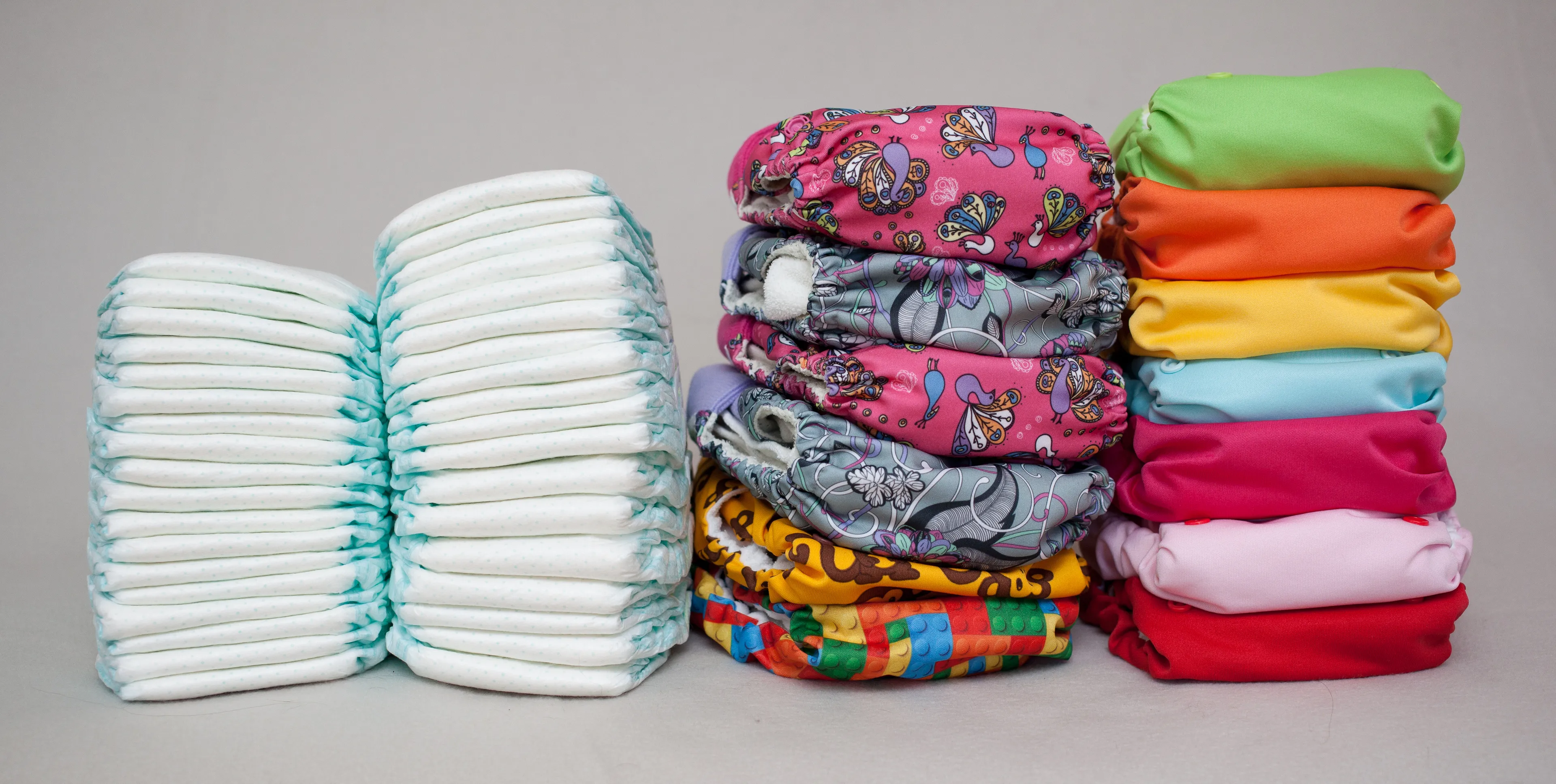
The core difference is simple: cloth diapers are washed and reused, while disposables are used once and thrown away. Both can be used safely for babies of any age, including newborns, when fitted correctly and changed on time.

Pros and Cons of Cloth Diapers

Reusable diapers in India have made a strong comeback, particularly among parents conscious of cost and environmental footprint. Whether the choice is right for your family depends on your lifestyle, your baby's skin sensitivity, and your washing setup.

Benefits

  • Over time, the cost savings are substantial. A set of 20 to 25 cloth diapers can serve a baby from birth through potty training.
  • Natural fabrics such as cotton and muslin are breathable, which matters in India's warm, humid climate.
  • Far less plastic waste ends up in landfills.
  • Many parents find babies in cloth diapers achieve toilet training earlier, possibly because they feel wetness more readily.
  • Modern styles like pocket diapers and all-in-ones are far more convenient than the older flat nappy.

Drawbacks

  • They require washing, drying, and storing, which adds to daily effort, especially in monsoon months when sun-drying is difficult.
  • Absorbency is lower, so changes are needed every 1.5 to 2 hours for newborns.
  • The upfront cost for a full set can feel steep.
  • A poorly washed or damp cloth diaper can harbour bacteria and increase rash risk.

Are cloth diapers better for babies? Not universally, but for babies with sensitive skin in warm climates, breathable natural fabrics often cause less irritation when the diaper is changed frequently.

Pros and Cons of Disposable Diapers

Disposable diapers dominate urban Indian households for good reason: they are genuinely convenient and highly absorbent.

Benefits

  • A moisture-wicking inner layer keeps the skin surface drier for longer.
  • Ideal for travel, outings, hospital visits, and overnight use.
  • No washing required, which is a significant load-reducer for working parents.
  • Sized by baby's weight, making a snug, leak-resistant fit easier to achieve.

Drawbacks

  • Monthly costs accumulate to a large sum over two to three years of diaper use.
  • Synthetic materials and fragrances in some products can trigger allergic reactions in babies with sensitive skin, making fragrance-free options the safer pick for the best diaper for baby skin.
  • Disposables contribute significantly to household plastic waste, an issue increasingly relevant in Indian cities managing solid waste.
  • Prolonged use without frequent changes raises diaper rash risk just as much as cloth.

Are disposable diapers bad for baby skin? Not inherently. A fragrance-free option changed at regular intervals is generally safe. The problem is leaving a soiled diaper on too long, not the product itself.

How to Wash and Care for Cloth Diapers?

Good hygiene is non-negotiable with reusable diapers. Here is a practical routine that works well in Indian homes:

  1. Remove solids first. Shake or scrape solid waste into the toilet. For exclusively breastfed newborns, stool is water-soluble and can go straight to the wash.
  2. Cold rinse immediately. Soak or rinse in cold water as soon as possible to prevent staining and odour. Do not let soiled diapers sit for more than 12 hours.
  3. Full wash cycle. Use a warm cycle (40 to 60 degrees Celsius) with a mild, fragrance-free detergent. Skip fabric softeners; they coat fibres and reduce absorbency.
  4. Check for residue. Clean diapers should smell neutral. A sour or ammonia smell points to detergent build-up or inadequate rinsing; run an extra rinse cycle.
  5. Sun-dry whenever possible. Sunlight is a natural disinfectant and fades stains. In monsoon months, a well-ventilated indoor drying area works, though drying times will be longer.
  6. Store dry and clean. Never store damp diapers. Keep clean ones in a breathable cotton bag or on an open shelf away from dust.

For newborn care basics, including hygiene routines that go hand-in-hand with diapering, including umbilical cord care in the early weeks, Apollo Pharmacy has a helpful guide for new parents.

Preventing and Managing Diaper Rash

Diaper rash is red, irritated skin in the nappy area. It affects babies using both cloth and disposable diapers and is usually caused by prolonged moisture exposure, friction, or stool enzymes.

Prevention steps:

  • Change diapers promptly, within 1 to 2 hours or as soon as soiled.
  • Clean the nappy area with warm water and a soft cloth at each change. For girls, always wipe front to back.
  • Allow the skin to air-dry for a minute before putting on a fresh diaper.
  • Apply a thin layer of zinc oxide-based barrier cream at the first sign of redness.
  • Avoid scented wipes, talcum powder, and tight-fitting diapers.

If redness spreads beyond the nappy area, develops blisters or pustules, or does not improve within two to three days of home care, consult a pediatrician or dermatologist promptly. A fungal or bacterial infection may need specific treatment. For general guidance on managing skin irritation, you can also refer to wound and skin irritation care tips on the Apollo Pharmacy blog.

Report adverse events related to diaper products, barrier creams, or detergents to your healthcare provider or the relevant regulatory authority.

Contraindications and Precautions

Cloth diapers are not always the right choice, even for parents who prefer them.

Situations where cloth diapers may be unsuitable or need medical review:

  • Active, severe diaper rash. The dampness retained in cloth, even with frequent changes, can worsen broken skin. Switch to disposables until the rash heals fully.
  • Eczema or other inflammatory skin conditions. Some babies react to fabric dyes, laundry detergents, or residual moisture. A dermatologist should guide the choice of diaper and detergent.
  • Confirmed fabric or detergent allergy. If your baby develops hives, excessive redness, or swelling in the diaper area, stop use and seek medical advice.
  • Post-surgery or when a baby is under medical care. Follow the guidance of your care team on diaper type, as certain conditions require specific dressing or hygiene protocols.

When in doubt, always check with your pediatrician before switching diaper types, especially for a newborn with skin concerns.

Which Diaper Type Should You Choose?

There is no single answer that works for every family. Consider these practical factors:

  • Budget. Reusable diapers in India offer significant long-run savings, but the upfront investment requires planning. Disposables suit families who prefer lower initial spending.
  • Lifestyle. If you have reliable domestic help or washing facilities, cloth becomes far more manageable. For single parents or families with demanding work schedules, disposables reduce daily effort considerably.
  • Climate. India's summer heat makes breathable cotton cloth appealing, but the monsoon makes drying a real challenge. Many families use both types, switching by season or situation.
  • Baby's skin sensitivity. If your baby already shows signs of sensitive or reactive skin, a fragrance-free disposable or a thoroughly washed, undyed cloth diaper may be the best diaper for baby skin in your specific case. Your pediatrician can advise.
  • Age and stage. A cloth diaper for a newborn requires more frequent changes and careful sizing. Older, more mobile babies may find modern cloth styles easier to wear than bulky flat nappies.

Many Indian families find a hybrid approach works well: cloth diapers at home during the day, disposables for night use and outings. There is no obligation to commit to one type exclusively.

Conclusion

Cloth and disposable diapers can both be suitable choices for babies in India, with each option offering different practical benefits and considerations. Cloth diapers are reusable and may reduce disposable waste, but they require regular washing, drying, and appropriate hygiene practices. Disposable diapers are convenient, widely available, and designed for reliable absorbency, although ongoing purchases can add to household expenses and contribute to waste. For either option, proper fit, frequent changes, gentle cleaning, and appropriate skin care can help reduce irritation and diaper rash. Indian parents can consider factors such as budget, access to laundry facilities, climate, lifestyle, baby's skin sensitivity, availability, and convenience when choosing between the two. Some families may also use a combination of cloth and disposable diapers depending on their daily routine and circumstances.

FAQs

How often should I change cloth diapers?

Cloth diapers should be changed every 1.5 to 2 hours for newborns and every 2 to 3 hours for older babies, or immediately after a bowel movement. They hold less liquid than disposables, so more frequent changes are essential to prevent rash.

Are cloth diapers cheaper than disposable in the long run?

Yes, significantly. A full set of reusable diapers in India typically costs far less over two to three years than buying disposables monthly, even when you factor in water and detergent costs for washing.

Can cloth diapers cause diaper rash?

They can, particularly if left on too long, washed with residual detergent, or stored damp. Changed promptly and laundered properly, cloth diapers are no more likely to cause rash than disposables.

How many cloth diapers does a newborn need?

Most newborns need 20 to 25 cloth diapers to have enough clean ones ready at all times, given laundry cycles. Starting with 12 to 15 and adding more based on your washing frequency is a practical approach.
Is it safe to use cloth diapers overnight?

It can be, with a booster insert for extra absorbency. However, many parents prefer a disposable overnight for convenience and to reduce rash risk from prolonged moisture contact, especially for newborns.

Apollo 247 Floating Action Button