logo
0

Cloth Diaper vs Disposable: Newborn Comparison Guide

Compare cloth and disposable diapers for newborns, including comfort, fit, absorbency, skin health, cost, washing, environmental impact, and practical considerations.

article image

Dr.Bhanu Prakash

Choosing between a cloth diaper and a disposable one is one of the first decisions new parents in India face, and it matters more than it might seem. The diaper your baby wears touches their skin up to 12 times a day, shapes their comfort, and affects your budget for years. Understanding what each option actually offers makes the choice far easier, whether you are still pregnant or already home with a newborn.

Cloth Diapers vs Disposable Diapers: Key Differences

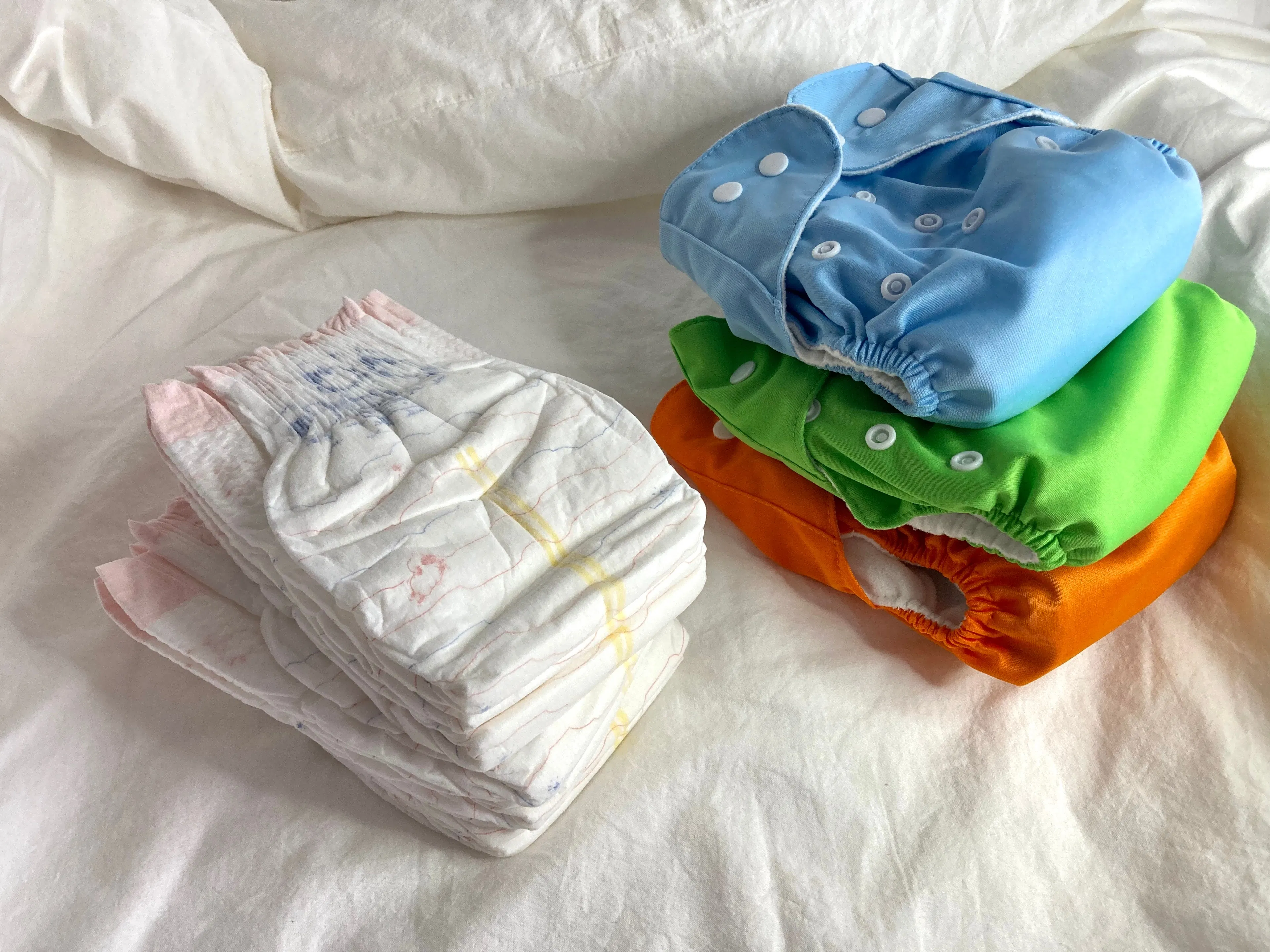
Cloth diapers are reusable fabric layers, usually cotton, bamboo, or microfibre, fastened around the baby and washed after each use. Disposable diapers are single-use products with a superabsorbent polymer core, a soft inner layer, and a waterproof outer shell.
 

FeatureCloth Diaper    Disposable Diaper
Material    Cotton, bamboo, or microfibreSynthetic polymer with plastic outer layer
Upfront costHigher (set purchase)Low per unit, high cumulative cost
Long-term costLower over 2 to 3 yearsSignificantly higher
AbsorbencyModerate; needs frequent changesHigh; keeps baby drier longer
Environmental impactLower (reusable, less landfill waste)High (takes hundreds of years to decompose)
ConvenienceRequires washing and dryingReady to use, easy to discard
Chemical contactMinimalMay contain fragrances, dyes, absorbent gels

The cloth diaper vs disposable decision ultimately comes down to your lifestyle, your baby's skin type, and the trade-offs you can realistically manage.

Benefits of Cloth Diapers

The strongest argument for cloth diapers is long-term cost. A full stash bought once can cover a child from birth to potty training. Spread across two to three years, the savings against weekly disposable purchases can be substantial for most Indian families.

There are genuine skin benefits too. Cloth diapers for newborns are typically free from fragrances, chlorine-bleaching agents, and superabsorbent polymer chemicals found in some disposables. For babies with sensitive or eczema-prone skin, that reduced chemical load often means fewer flare-ups.

Other advantages worth noting:

  • Cotton allows better airflow around the baby's bottom, reducing heat and moisture buildup.
  • Reusable diapers generate far less landfill waste, one of the clearest reusable diapers benefits from an environmental standpoint.
  • Babies in cloth diapers tend to feel wetness sooner, which some parents find supports earlier potty training.
  • Modern cloth diapers for newborns use adjustable snap or velcro fasteners that are much easier to manage than traditional square nappies.

How to Use Cloth Diapers?

Learning how to use cloth diapers is simpler than it looks. Here is a practical routine to get started:

Fitting and fastening:

  • Lay the diaper flat and fold or adjust it to the newborn size if it is a one-size design.
  • Place the baby on the diaper so the back edge reaches the waistline.
  • Pull the front up between the legs and fasten the snaps or velcro tabs snugly at the hips, fitting two fingers comfortably at the waistband.
  • Ensure the leg elastics are tucked inside around the thighs, not folded outward, to prevent leaks.

After each change:

Shake or rinse solid waste into the toilet before storing.

Place used diapers in a dry or wet pail until wash day, ideally every two days in India's warm climate to prevent odour.

Washing routine:

  • Start with a cold rinse cycle to remove residue.
  • Follow with a hot wash (60 degrees Celsius works well for cotton) using a fragrance-free detergent.
  • Sun-dry where possible. Direct sunlight naturally disinfects the fabric and removes stains.

Most parents find the routine manageable within a week or two of practice.

Benefits of Disposable Diapers

For many parents, especially in the first exhausting weeks after birth, convenience is everything. Disposable diapers require no washing, no drying, no folding. You put one on, change it when needed, and dispose of it. That simplicity is genuinely valuable when you are sleep-deprived and handling frequent feeds.

The absorbency of a modern disposable is hard to match. The polymer core pulls moisture away from the skin and locks it in, keeping babies drier between changes. For overnight use, this is particularly helpful.

A few other practical advantages:

  • Easy to carry during travel or family visits, with no need to store soiled cloth away from home.
  • Newborn-specific sizes often include a belly-button cutout that keeps the umbilical stump dry while it heals.
  • Grandparents and daycare caregivers generally find disposables straightforward without any guidance.

Challenges and Downsides to Consider

For cloth diapers:

  • Each soiled diaper needs rinsing, storage, and washing. In humid Indian summers or during monsoon season, prompt washing is essential to prevent odour and bacterial growth.
  • Drying time can stretch on overcast days, so having 20 to 25 diapers in your stash avoids running short.

  • The upfront cost, though lower long-term, can feel steep all at once.
  • Lower absorbency means changes every 1.5 to 2 hours for a newborn.

For disposable diapers:

  • Monthly costs accumulate quickly and continue until potty training is complete.
  • Each disposable adds non-biodegradable material to landfills, a significant environmental concern.
  • Some brands contain fragrances or additives that irritate sensitive newborn skin.
  • Blowouts can still occur regardless of brand, particularly in the early weeks.

Suitability for Newborns: What to Choose

Newborns wet or soil their diapers up to 10 to 12 times a day. Their skin is extremely thin, pH-sensitive, and prone to irritation. Both cloth and disposable options can work, but each has a timing advantage.

Many parents choose disposables in the first four to six weeks because the volume of changes is high and newborn-specific sizing tends to fit better. Disposable newborn diapers often include a cutout for the umbilical stump, which helps it stay dry and clean. Good newborn belly button care during diapering is critical in these early days to avoid infection at the stump site.

Once the stump falls off, usually by two to three weeks, cloth diapers become far more practical. Many families switch to cloth at the four to six week mark, when feeding and soiling patterns become more predictable.

A mixed approach works well for many families: disposables overnight or during outings, cloth during the day at home. The best diaper for a newborn baby is ultimately one that fits well, stays secure, and suits your daily routine.

Diaper Rash and Skin Care: Precautions

Diaper rash prevention starts with frequent changes. Whether you use cloth or disposable diapers, leaving a wet or soiled diaper on for too long is the most common cause of skin irritation. Keep the area clean and pat it dry before each change, never rub.

A fragrance-free barrier cream at each change helps protect the skin. If you notice redness, warmth, or broken skin, treating minor skin irritation or cuts promptly and consulting a pediatrician is the right step.

Who should take extra care:

  • Babies with known skin conditions such as eczema or psoriasis should be assessed by a pediatrician before deciding on a diaper type.
  • If a rash persists beyond 48 to 72 hours, develops blisters, or spreads beyond the diaper area, seek medical advice. This could indicate a fungal or bacterial infection needing treatment.
  • Avoid using scented wipes, powders, or products with alcohol directly on irritated skin.
  • Report adverse events or unexpected skin reactions to your healthcare provider or the relevant regulatory authority.

Conclusion

Cloth and disposable diapers can both be suitable choices for newborns, but they differ in convenience, absorbency, cost, environmental considerations, and daily care requirements. Cloth diapers are reusable and require regular washing, thorough drying, and appropriate hygiene, while disposable diapers are convenient and designed for reliable absorbency but require ongoing purchases and contribute to household waste. For either option, choosing an appropriate fit, changing diapers regularly, cleaning the skin gently, and keeping the diaper area dry can help reduce irritation and diaper rash. Parents can consider factors such as the newborn's skin sensitivity, household budget, access to laundry facilities, lifestyle, climate, and convenience when choosing between the two. Some families may also use both types depending on their daily routine, travel needs, or other circumstances.

FAQS

How many diapers does a newborn need per day?

Newborns typically need 10 to 12 diaper changes per day in the first few weeks. If you plan to use cloth diapers, a stash of 20 to 25 diapers allows for washing every two days without running short.

Can I use cloth diapers from birth?

Yes, many brands offer newborn-sized cloth diapers designed for smaller babies. Some parents prefer disposables for the first few weeks due to the high change frequency and umbilical stump care, then switch to cloth once the stump has healed.

Do disposable diapers cause rashes?

Not by default, but disposables containing fragrances, dyes, or harsh chemicals can irritate sensitive newborn skin. Frequent changes and a barrier cream at each change are the most reliable ways to prevent diaper rash, regardless of diaper type.

How often should newborn diapers be changed?

Change diapers as soon as they are soiled and at least every two hours, even if the diaper does not feel full. Newborn skin breaks down quickly with prolonged moisture exposure.

Are cloth diapers cheaper than disposable in the long run?

Yes, in most cases. The upfront cost of a full cloth diaper stash is higher, but spread across two to three years of use, the total spend is typically much lower than buying disposables continuously.

Apollo 247 Floating Action Button