logo
0

Cloth vs Disposable Diapers: A Complete Comparison Guide

Cloth diaper vs disposable: compare cost, comfort, rash risk, washing tips, and how diaper rash cream helps. Expert-reviewed guidance for new parents.

article image

Dr.Yusuf

Choosing between a cloth diaper and a disposable diaper is one of the first decisions new parents face, and it matters more than it might seem. The right choice affects your baby's comfort, your monthly budget, and your household's environmental footprint. This guide walks you through everything, from cost comparisons to washing routines and rash management, so you can make a confident call.

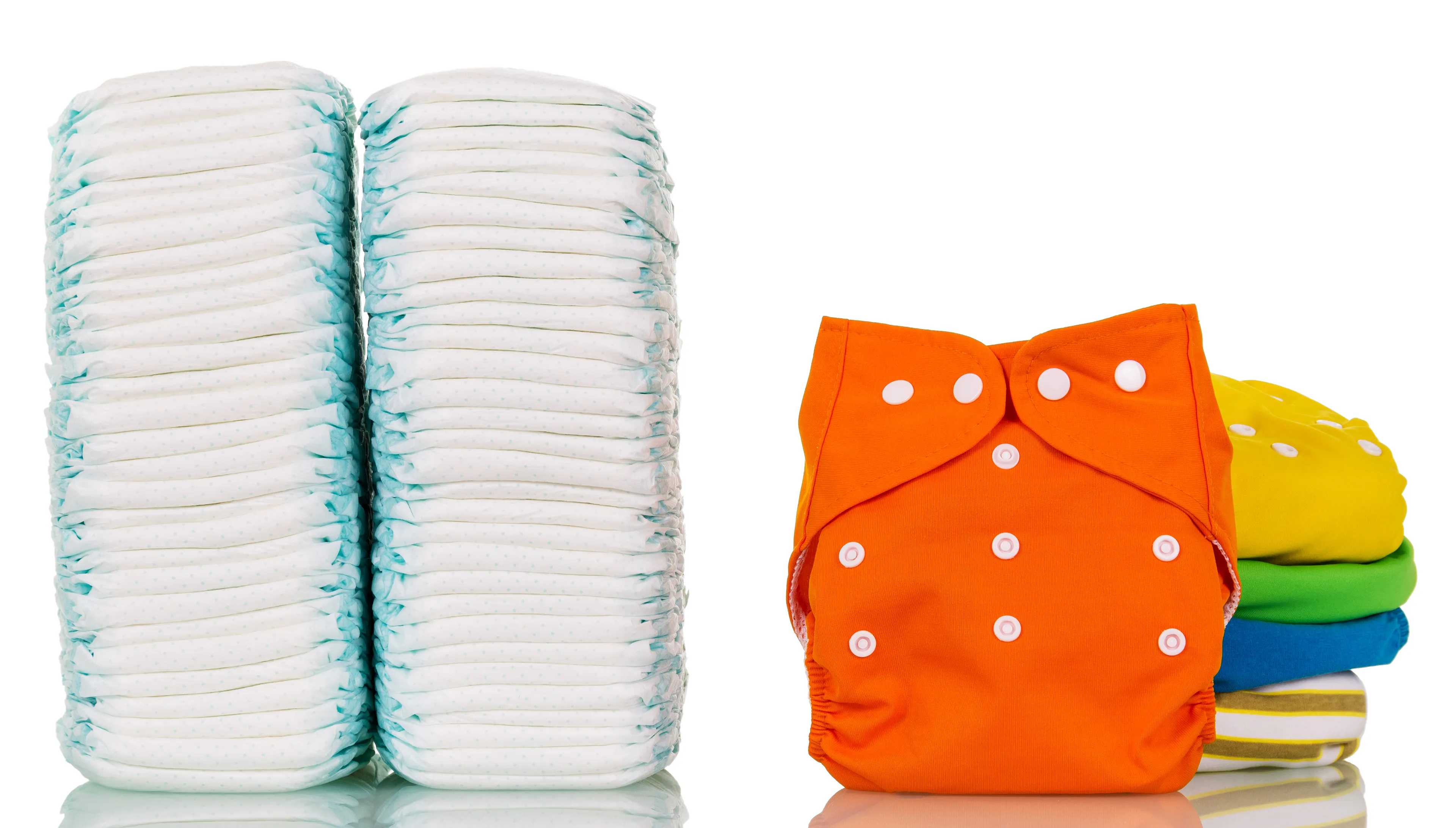
Cloth Diapers vs Disposable Diapers: Key Differences

No single diaper type wins on every front. The best choice depends on your lifestyle, budget, and how much laundry you are willing to manage.

Factor Cloth DiaperDisposable Diaper
Upfront cost  Higher (reusable over time) Low per unit, high over months
Long-term costSignificantly lowerCan add up to thousands of rupees
Absorbency      Good, varies by insert type      Generally higher, gel-core locks moisture
Environmental impactLower waste, water used for washingSignificant landfill contribution
Convenience    Requires washing and dryingUse and discard, no maintenance
Rash riskLower if changed promptly Can cause rash if worn too long
Fit for newborns Adjustable, fits many sizes    Sized specifically for weight

For reusable diapers for newborns, modern cloth options like Superbottoms include adjustable snap buttons that grow with your baby from newborn to toddler stage, making the initial investment stretch much further.

Pros and Cons of Cloth Diapers

Cloth diapers can offer benefits such as reusability and reduced disposable waste, but they also require regular washing, drying, and careful maintenance to keep them clean and comfortable for the baby.

Benefits

  • Significantly cheaper over a baby's diapering years, since the same set is reused for months or even years.
  • Gentler on baby's skin because they use natural fabrics like cotton or bamboo, without synthetic gels or fragrances.
  • Far less plastic going into landfills compared to hundreds of disposables a month.
  • Adjustable sizing means you can use them from the newborn stage right through toddlerhood.
  • Babies in cloth diapers often toilet-train earlier because they feel wetness more readily.

Drawbacks

  • Washing and drying takes real effort, especially in monsoon season when sun-drying is difficult.
  • Leakage is more likely if inserts are not absorbent enough or if the diaper is not changed promptly.
  • Travel requires carrying a wet bag for used diapers, which some parents find inconvenient.
  • The upfront purchase cost can feel steep, even though it pays off over time.

The main disadvantages of cloth diapers come down to laundry time and leakage management, both of which get easier once you settle into a routine.

Pros and Cons of Disposable Diapers

Disposable diapers are genuinely convenient. You open one, use it, and bin it. For parents managing a newborn's round-the-clock needs, that simplicity is hard to argue with.

Modern disposables have highly absorbent cores that pull moisture away from skin, reducing wetness-related rash. They also fit snugly, which matters a lot when determining the best diaper for newborn baby needs in those early weeks.

That said, costs accumulate quickly. A newborn can go through eight to twelve diapers a day in the early weeks, and the monthly expense adds up significantly over months.

The environmental case against disposables is also hard to ignore. Each diaper can take hundreds of years to break down in a landfill. Are disposable diapers bad for babies directly? Not inherently, but prolonged use without timely changes, or sensitivity to fragrance or gel materials, can cause skin reactions in some babies. Reviewing the cloth diaper vs disposable diaper question ultimately comes down to what trade-offs you are prepared to make.

How to Wash and Maintain Cloth Diapers?

Proper washing is the cornerstone of cloth diaper maintenance. Done right, your diapers stay hygienic, odour-free, and long-lasting.

Step-by-Step Washing Routine

  1. Rinse immediately after use. Shake or scrape solid waste into the toilet, then rinse the diaper under running water before storing.
  2. Store soiled diapers in a waterproof wet bag or a lidded bucket. Avoid soaking for long periods, as prolonged soaking degrades fabric and elastics.
  3. Run a short cold pre-wash without detergent to flush out residue before the main cycle.
  4. Follow with a main wash using a mild, fragrance-free detergent. Avoid fabric softeners completely because they coat the fibres and reduce absorbency. Enzyme-based detergents work well for stains and odour.
  5. Sun-dry whenever possible. Sunlight is a natural disinfectant and fades stains. If sun-drying is not an option, a warm tumble dry on low heat works for most cloth diapers. Always check the brand's label.
  6. Wash inserts separately if needed. Microfibre or bamboo inserts may need an extra rinse to clear all residue.

How often should you wash cloth diapers? Aim to wash every one to two days. Leaving soiled diapers beyond two days increases bacteria and makes odours harder to shift. These cloth diaper maintenance tips apply whether you are using Superbottoms or any other brand.

Storage Tips

  • Store clean, dry diapers in an open basket or drawer, not a sealed container, to prevent moisture build-up.
  • Check the leg and waist elastics periodically. Worn elastics cause leaks and usually need replacing after heavy use.
  • Superbottoms cloth diapers come with replaceable elastics and are designed to handle regular machine washing without losing shape.

If you are also managing other newborn hygiene routines, Apollo's newborn belly button care guide covers the cord-stump healing period in detail.

Managing Diaper Rash: When to Use a Diaper Rash Cream for Babies

Diaper rash is common regardless of which diaper type you use. It shows up as red, irritated skin around the nappy area, and is usually caused by prolonged contact with moisture, friction, or a shift in gut bacteria during illness or antibiotic use.

With cloth diapers, rash risk is lower when diapers are changed every two to three hours and washed thoroughly. With disposables, the high-absorbency gel can trap heat and moisture against the skin if the diaper is not changed in time.

Treating Rash at Home

The most reliable home treatment is a zinc oxide-based barrier cream. Applied as a thin layer at each nappy change, it forms a protective film between the skin and moisture. Keep the area clean and dry before applying. Allow a few minutes of nappy-free time each day to let the skin breathe.

For mild rashes, this approach usually shows improvement within two to three days. If the rash spreads, blisters, or shows signs of infection such as oozing or fever, consult your paediatrician promptly. For general guidance on handling skin irritation, see Apollo's article on treating minor skin cuts and wounds.

Report adverse events to your healthcare provider or the relevant regulatory authority.

Contraindications and Precautions

Barrier creams are generally safe for healthy, intact infant skin, but there are situations where you should pause and seek medical advice first.

Do not apply a diaper rash cream if:

  • The skin is broken, bleeding, or deeply cracked, as some ingredients may worsen open wounds.
  • There are signs of a fungal or bacterial infection, including a bright-red rash with satellite spots, pus, or persistent worsening despite cream use. These need specific treatment prescribed by a doctor.
  • Your baby has a known allergy or sensitivity to any ingredient in the product. Always check the label and do a small patch test if you are trying a new cream.
  • You are unsure of what is causing the rash. A rash that does not respond within a few days or looks unusual warrants a clinical assessment rather than continued self-treatment.

Never use scented wipes, talcum powder, or adult skincare products in the diaper area. These can aggravate sensitive infant skin.

Conclusion

Cloth and disposable diapers can both be suitable choices for babies, but each option has different advantages and practical considerations. Cloth diapers are reusable and may reduce disposable waste over time, but they require regular washing, drying, and careful hygiene. Disposable diapers are convenient, widely available, and designed to provide reliable absorbency, although ongoing purchases can increase household costs and contribute to waste. For either option, proper fit, frequent changes, gentle cleaning, and appropriate skin care can help reduce irritation and diaper rash. Families can consider factors such as budget, laundry facilities, lifestyle, environmental preferences, baby's skin sensitivity, and convenience when choosing between them. Some families may also combine cloth and disposable diapers according to their needs and daily routine.

FAQs

Is a cloth diaper better than a disposable diaper?

Neither is universally better. Cloth diapers cost less over time and create less waste, while disposables offer convenience and high absorbency. The right choice depends on your lifestyle, budget, and your baby's skin sensitivity.

How many cloth diapers does a newborn need per day?

Newborns typically need ten to twelve diaper changes a day. Most parents find a stash of twenty to twenty-four cloth diapers workable, allowing for washing every one to two days.
Can cloth diapers cause rashes?

Yes, if they are not changed frequently or are not rinsed clean of detergent residue. Residual soap can irritate skin. Changing every two to three hours and using a fragrance-free detergent significantly reduces this risk.

How do you sanitise cloth diapers without a washing machine?

Rinse the diaper thoroughly under running water, then hand-wash with a mild detergent in a bucket using hot water. Rinse until no soap remains, then sun-dry. Sunlight provides natural disinfection and helps eliminate odour-causing bacteria.

What age should babies stop wearing diapers?

Most children are ready to begin toilet training between eighteen months and three years of age. Babies in cloth diapers sometimes show readiness earlier because they feel wetness more directly, but readiness varies by child and should not be forced.

Apollo 247 Floating Action Button