logo
0

Cloth Diaper Guide: Types, Washing Tips & Newborn Fit

Learn about cloth diapers, including types, washing methods, newborn suitability, nappy rash prevention, hygiene tips and safe diapering practices.

article image

Dr.Nallapu Siri

Choosing how to diaper your newborn is one of those decisions that ends up shaping your daily routine for the next two to three years. Cloth diapers have made a strong comeback among Indian parents: they are gentle on delicate skin, kinder to the wallet over time, and significantly reduce household waste. If you are wondering whether a cloth diaper is right for your baby, this guide covers how they work, which types to consider, washing routines, rash prevention, and when to pause use for medical reasons.

What Is a Cloth Diaper and How Does It Work?

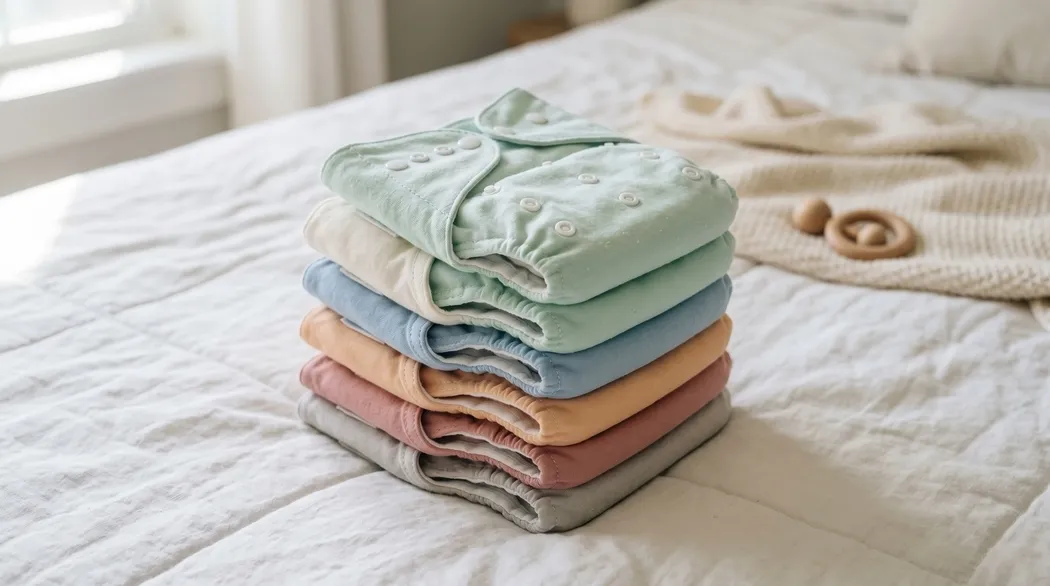
A cloth diaper is a reusable, washable alternative to single-use disposables. Most modern designs have three layers working together:

  • The inner layer sits against the baby's skin, usually made from microfleece, suede cloth, or organic cotton, and pulls moisture away quickly.
  • The absorbent middle layer, called an insert or soaker pad, holds liquid. Common materials include microfibre, hemp, and bamboo.
  • The outer layer is a water-resistant shell, typically polyurethane laminate (PUL) fabric, that prevents leaks onto clothing.

Disposable diapers rely on a chemical gel to lock in moisture. They are convenient, but generate significant landfill waste and may contain fragrances or additives that some babies react to. Cloth diapers skip those additives, which is why many parents with sensitive-skinned babies prefer them.

Reusable Diapers vs Disposable: A Quick Comparison

Before committing to a type, it helps to see how the two options stack up side by side.

Factor

Cloth Diapers

Disposable Diapers

Cost over time

Lower (reused hundreds of times)

Higher cumulative spend

Environmental impact

Less landfill waste

Significant waste per use

Skin additives

None

May contain fragrances/gels

Convenience

Requires washing routine

Ready to use, discard after

Absorbency at surface

Needs frequent changes

Surface stays drier longer

Initial investment

Higher upfront

Lower per-pack cost

For most families, reusable diapers vs disposable is not a binary choice. Many parents use cloth at home and disposables for travel or overnight, which is a practical middle ground.

Types of Cloth Diapers (Including SuperBottoms)

There is no single design. The right type depends on your lifestyle, budget, and your baby's age.

Pocket Diapers

These have a pocket opening between the outer shell and the inner layer. You stuff the pocket with an absorbent insert before use and remove it before washing. Pocket diapers dry quickly and are adjustable, making them popular for everyday use.

All-in-One (AIO) Diapers

Everything is sewn together: shell, soaker, and inner layer in one piece. AIOs are the closest to a disposable in terms of ease of use, ideal for daycares or new caregivers.

Hybrid Diapers

A reusable shell paired with either a washable insert or a biodegradable disposable insert. You can use the reusable insert at home and swap to a disposable insert while travelling.

Prefold and Flat Diapers

A flat rectangular cloth folded to fit, secured with a Snappi or pin, then covered with a waterproof wrap. The most budget-friendly option, and they dry the fastest, though they take a little more effort to put on.

SuperBottoms Cloth Diapers

SuperBottoms is an Indian brand offering pocket-style and AIO cloth diapers designed with snap-button sizing and inserts suited to Indian washing conditions. The SuperBottoms cloth diaper range is a useful starting point when comparing options, particularly because it covers newborns through toddlers and is widely available across India. As with any brand, check sizing guides before purchasing for a newborn.

Are Cloth Diapers Suitable for Newborns?

Yes, with the right approach. Newborn skin is thinner and more permeable than older baby skin, so fabric choice matters. Natural fibre inner layers, such as organic cotton or bamboo, tend to breathe better than synthetic microfibre, which many parents find helpful in the early weeks.

A few practical points for cloth diapers for newborns:

  • Newborns urinate 10 to 12 times a day in the early weeks. Cloth diapers need to be changed more often than disposables because they lack the locking gel that keeps the surface feeling dry.
  • Sizing matters. Many one-size diapers start comfortably around 3 to 4 kg. Dedicated newborn-sized options offer a snugger fit for smaller babies.
  • If your baby still has the umbilical cord stump, choose diapers with a fold-down front or cut-out so the diaper sits below the stump. Careful newborn umbilical cord care while diapering means keeping the stump dry and unobstructed, and the right fit supports that.

Starting with six to eight newborn-sized cloth diapers for a trial works better than buying a full stash immediately.

How to Wash and Maintain Cloth Diapers?

A consistent routine keeps diapers hygienic and extends their life considerably.

Step-by-Step Wash Routine

  1. Remove solid waste by rinsing under running water or using a diaper sprayer. For exclusively breastfed newborns, stool is water-soluble and can go straight into the wash.
  2. Store used diapers in a dry pail or wet bag until wash day. Avoid soaking for long periods, as this damages fibres and elastic.
  3. Run a short cold rinse cycle to flush out urine and residue.
  4. Follow with a full hot wash at 60 degrees Celsius using a fragrance-free, enzyme-free detergent. Enzymatic detergents can degrade certain diaper fabrics over time.
  5. Run an extra rinse to clear all detergent residue. Build-up is a common cause of rashes and reduced absorbency.
  6. Dry in sunlight where possible. UV light naturally disinfects and lifts stains. Avoid a hot tumble dryer for PUL shells, as high heat degrades the waterproof coating.

How Often to Wash

Wash every two to three days. Leaving soiled diapers longer allows ammonia from urine to concentrate, causing odour and skin irritation.

Stripping and Refreshing

Every few months, if diapers smell even after washing or absorbency drops, do a strip wash: a series of hot washes without any detergent to clear mineral and detergent build-up from the fabric.
Cloth Diaper Rash: Causes, Prevention and When to See a Doctor?

Cloth diapers do not automatically cause rashes, but they can if hygiene or fit is off. Common causes include:

  • Detergent residue left in the fabric after washing.
  • Infrequent changes, leaving moisture against the skin
  • Synthetic inner layers that trap heat
  • A yeast or bacterial overgrowth, which requires medical treatment

Prevention

Change your baby as soon as the diaper is wet or soiled. Use a thin barrier cream compatible with cloth diapers (avoid thick petroleum-based creams, which coat inserts and reduce absorbency). Rinse diapers thoroughly and allow them to dry fully between washes.

For any minor skin irritation or redness, gentle cleaning and prompt changes usually resolve things quickly. Persistent or worsening skin irritation should be reviewed by a paediatrician. If you notice broken skin, see guidance on treating minor skin irritation or cuts and consult your doctor if it does not improve.

Report adverse events, including persistent skin reactions, to your healthcare provider or the relevant regulatory authority.

Contraindications and When Not to Use Cloth Diapers?

In most cases, cloth diapers are safe. However, pause use and seek medical advice if your baby has:

  • An active fungal (yeast) diaper rash, which needs antifungal treatment and thorough disinfection of all diapers before resuming use
  • An active bacterial skin infection in the diaper area
  • A diagnosed skin condition such as eczema or psoriasis that is currently flaring, until a dermatologist or paediatrician gives clearance
  • Any open wounds or significant skin breakdown in the nappy area

Once the condition is treated and your doctor confirms it is safe to continue, cloth diapering can usually resume. Always follow your healthcare provider's guidance.

Conclusion

Cloth diapers can be suitable for newborns when they fit properly, are changed frequently and are washed according to the manufacturer's care instructions. Choosing between cloth and disposable nappies depends on your baby's needs, your routine, budget and preferences. Keeping the nappy area clean and dry and changing wet or dirty nappies promptly can help reduce the risk of nappy rash. If your baby develops persistent or worsening skin irritation, speak with a paediatrician or healthcare professional.

FAQS

Are cloth diapers better than disposable diapers?

Neither is universally better. Cloth diapers cost less over time and reduce waste, while disposables are more convenient for travel and overnight use. Many families use both depending on the situation.

How many cloth diapers does a newborn need?

A newborn typically needs 20 to 25 cloth diapers if you wash every two days, given how frequently they need changing. Starting with six to eight for a trial is a sensible approach before committing to a full stash.

Can cloth diapers cause infections?

A cloth diaper that is changed promptly and washed properly does not cause infections. Prolonged exposure to moisture, infrequent changes, or inadequate washing can create conditions where bacteria or yeast thrive, so hygiene habits matter more than the diaper material itself.

How long do cloth diapers last?

With good care, a quality cloth diaper typically lasts two to three years or around 300 washes. Sunlight drying, proper detergent use, and avoiding high tumble-dryer heat all extend their life.

Are SuperBottoms cloth diapers reusable and washable?

Yes, SuperBottoms cloth diapers are designed to be reused and machine-washed. Follow the brand's specific care instructions for detergent type, wash temperature, and drying to maintain absorbency and the waterproof shell over time.

Apollo 247 Floating Action Button